


You’re looking at a broad price range for modernizing a 1930s semi-detached home—roughly $100,000 to $300,000 or more—depending on scope, materials, and how deeply you update structure, systems, and finishes. Costs hinge on prioritizing safety and long-term value while preserving period charm, with phased work and careful budgeting to curb scope creep. Get ready to weigh repairs, efficiency gains, and layout changes, but know the final number will shift as you define your priorities and local prices.
What Makes a 1930s Semi-Detached Uniquely Suited to Modern Living
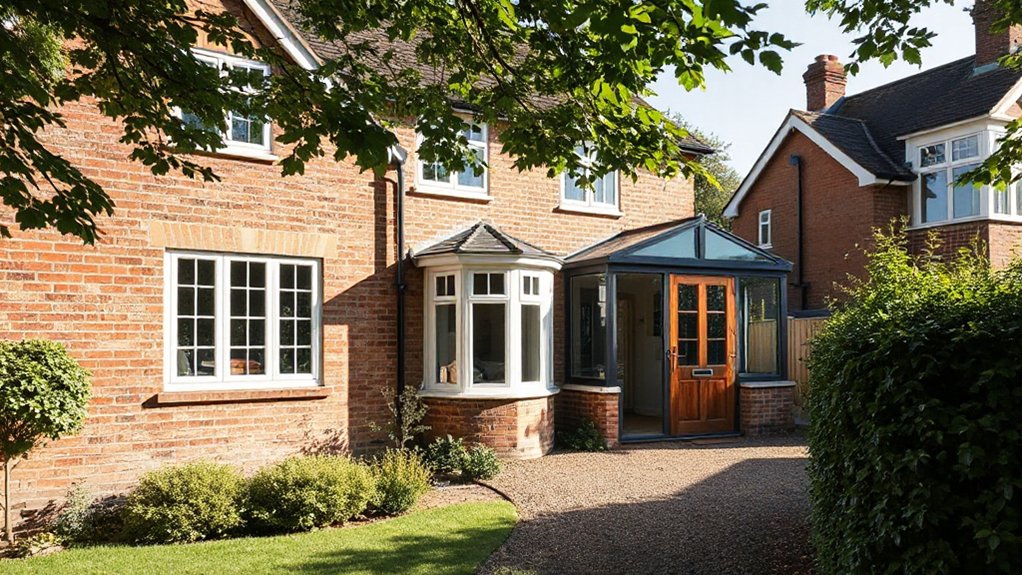
1930s semi-detached homes are uniquely well suited to modern living because their sturdy construction, efficient use of space, and flexible layouts lend themselves to contemporary needs without extensive overhauls.
You’re positioned to repurpose rooms, add insulation, and upgrade systems with minimal disruption. The solid brick or stucco exterior supports enduring renovations, while generous primary rooms enable clear zoning for work, play, and quiet zones.
Efficient footprints reduce wasted space, aiding energy efficiency and quick, cost-effective upgrades. Structural rhythm supports modular changes without compromising integrity.
Historical preservation informs careful material choices and preservation-minded detailing, preserving character while meeting current standards.
Aesthetic integration ensures new elements complement original features, maintaining curb appeal and cohesive interiors. This mix delivers practicality, resilience, and long-term value.
A Practical Budgeting Framework for 1930s Semi-Detached Upgrades
To turn the practical strengths of a 1930s semi-detached into measurable upgrades, you’ll start with a clear budgeting framework that matches scope to cost. Define phases: quick wins, core improvements, and value-driven refinements.
Establish a baseline estimate from unit costs for trades, fixtures, and finishes relevant to period homes. Prioritize high-impact upgrades that improve daily use and efficiency, then allocate contingency and escalation buffers.
Use a plain cost map with line-item detail for trades, materials, and timing, so you can compare options without guesswork. Integrate garden landscaping and interior decor as scoped elements, with explicit budgets per area.
Track changes in real time, review variances monthly, and adjust scope rather than price. Maintain disciplined governance: decisions, approvals, and documented rationale prevent scope creep.
Structural and Shell Upgrades That Protect Long-Term Value
You’ll prioritize structural strength upgrades that endure, from foundation checks to load-bearing improvements, to avoid costly future fixes.
Shell integrity enhancements—weatherproofing, airtight envelopes, and robust cladding—protect against moisture, drafts, and decay.
Together, these measures safeguard long-term value by reducing maintenance needs and preserving essential performance.
Structural Strength Upgrades
How can you guarantee the structural integrity of a 1930s semi-detached house remains sound as it ages? You focus on targeted strengthening that balances cost and durability. Prioritise proven methods and practical checks to protect long‑term value, including shell containment and load path reliability. Maintain clear records for future refurbishments, and align work with existing brickwork and foundations.
- Inspect foundations and damp proofing, addressing movement risks before finishing trades begin.
- Reinforce load paths at walls, floors, and ceilings with appropriate, match‑for‑purpose fixes.
- Upgrade timber elements with treated materials and accurate corrosion protection.
- Monitor roof and chimney connections for movement, moisture, and wind loads.
Garden landscaping and interior decoration work best when planned after structural upgrades to avoid rework and to preserve long‑term integrity.
Shell Integrity Enhancements
Shell integrity is the backbone of long‑term value in a 1930s semi. You protect this by reinforcing the exterior envelope and addressing moisture paths, framing, and roof lines before cosmetic updates.
Prioritize durable materials, weatherproof detailing, and proper flashing to prevent leaks that undermine decades of use. You should inspect foundations for cracks and guarantee subfloor stability, then upgrade insulation and ventilation to reduce energy loss without compromising structural clarity.
Landscaping aesthetics matters here, since grading and drainage influence wall moisture and basement conditions; plan slopes and downspouts to direct water away.
Within this framework, keep interior decor separate from shell work to avoid costly rework. Focus on precise execution, documented standards, and durable fixes that preserve value through shifting conditions and usage.
Long-Term Value Protection
- Improve envelope performance with lintel and wall tie checks, proper flashing, and high-quality sealants.
- Install robust damp-proofing and sub-slab drainage to deter rising moisture and mould.
- Choose enduring materials for cladding and roofing, paired with thermal insulation that keeps interior climate stable.
- Align landscaping innovations with drainage strategy and access, protecting foundations and reducing maintenance.
Interior decor choices should complement durability, while landscaping innovations reinforce protection.
Energy and Efficiency Improvements With Real Payback
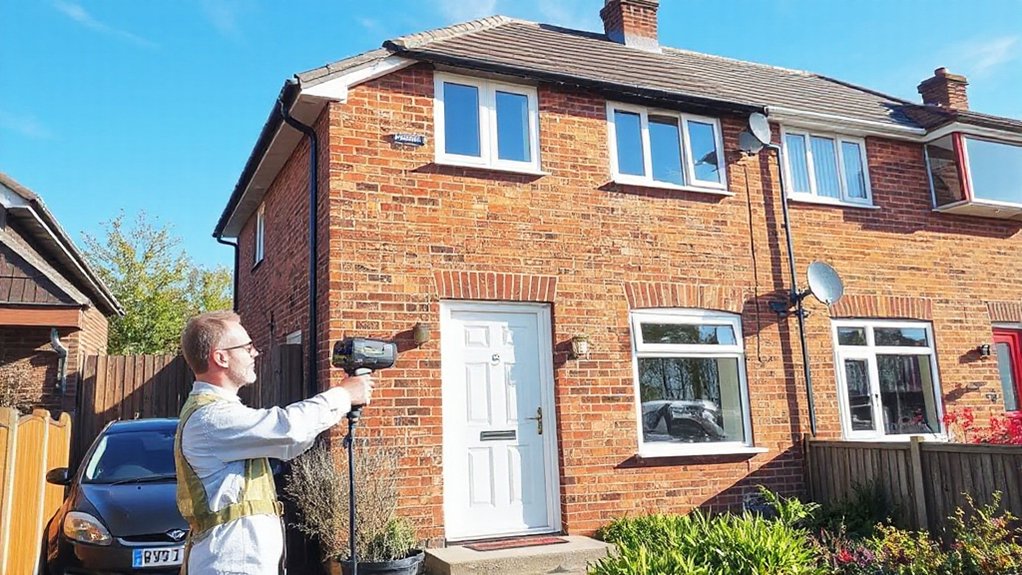
What energy and efficiency improvements deliver real payback, and how quickly? You’ll prioritise measures with proven savings, short payback periods, and reliable performance.
Start with insulation upgrades: loft, cavity, and solid-wall? Actually solid-wall if applicable; seal drafts, draught-proofing, and airtightness testing.
Target low-hanging upgrades first: efficient boilers, smart controls, and high-efficiency heat pumps where suitable.
Windows matter, but treat replacement versus secondary glazing case-by-case to balance cost and comfort.
Prioritise solar-or thermal options only if you’ll stay long enough to recoup the investment.
Pair upgrades with behaviour changes and maintenance to maximise return.
Tie energy savings to interior decor and garden landscaping improvements that complement the layout.
Track bills, verify with audits, and adjust to sustain real payback.
Updating Layout and Flow Without Losing Period Charm
You can update the layout to improve flow while keeping key period features intact. Start by prioritizing sightlines and room proportions that preserve the home’s character.
Then, use clever partitions and door configurations to modulate space without bulk. Plan changes around natural movement to avoid disrupting the charm you want to retain.
Preserve Period Features
Preserving period features while updating layout and flow means prioritizing practical changes that respect the house’s character. You’ll balance modern needs with original charm by choosing targeted updates that don’t erase history. Focus on leverage not replacement, restoring surfaces, and rejuvenating materials where feasible.
- Retain and repair heritage elements (staircase joinery, plasterwork) while upgrading behind-the-scenes systems.
- Reconfigure spaces with reversible partitions to improve flow without stripping period feel.
- Use complementary Interior decor to echo era cues (colors, trims) without overloading the space.
- Plan garden landscaping that harmonizes with the exterior rhythm, preserving key sightlines from interior rooms.
Optimize Flow Cleverly
To optimize flow without sacrificing period charm, start by mapping how each room serves daily routines and how sightlines and natural light travel through the home. You’ll reconfigure through light-touch changes—repositioning furniture, updating door swings, and aligning corridors to reduce wasted steps.
Keep load-bearing or retrofitted walls intact where possible, using partial openings or glass panels to preserve the spatial rhythm. Prioritize sightlines that reveal original features from key nodes, so movement feels natural rather than forced.
Choose finishes in muted tones that complement historic hues, avoiding heavy modern contrasts. Integrate storage options that don’t disrupt period decoration, and zone spaces with soft, consistent lighting.
Remember Historical preservation guidelines, and document updates for future care and appraisal. Maintain practicality while honoring the home’s character.
Plumbing, Wiring, and Safety Upgrades to Plan For
Upgrading the plumbing, wiring, and safety systems is essential before you start any cosmetic work. You’ll want a clear plan that targets reliability, safety, and future-proofing, with minimal disruption to living space.
Priorities include updating outdated pipes, wiring, and panels, plus adding safeguards against leaks and fire. Expect costs to reflect material quality, accessibility, and compliance with current codes.
Plan for smart technology integration to support home automation and energy efficiency, without overbuilding. Budget for permits, inspections, and potential redistributions of fixtures. Planning now reduces rework later and speeds overall progress.
1) Assess and replace outdated piping, wiring, and breakers.
2) Install leak detectors, arc fault, and ground fault protections.
3) Prepare for future-ready panels and smart-trend wiring.
4) Integrate home automation-ready infrastructure and safety devices.
Exterior Work That Restores Character and Boosts Efficiency
Exterior work can meaningfully restore this 1930s semi’s curb appeal while improving energy efficiency and weather resilience. You’ll focus on elements that preserve character while reducing heat loss and drafts.
Begin with high-quality, breathable insulation under cladding and around openings, then select period-accurate doors and double-glazed windows to maintain sightlines without sacrificing efficiency.
Maintain masonry where appropriate, repointing with a lime-based mortar to allow moisture movement.
Roofing should be reroofed with slate or slate-style tiles and underfelt rated for aged structures.
Landscaping enhancements can curb wind exposure and create microclimates that cut cooling and heating loads.
Integrate outdoor lighting to highlight architectural details safely; choose LEDs with warm colour temperatures.
Prioritise waterproof detailing at junctions, gutters, and downpipes to protect masonry and improve longevity.
Phasing the Project: Timelines, Milestones, and Cost Control

Phasing the project hinges on a clear, realistic timeline, defined milestones, and strict cost controls. You’ll align tasks with budget windows, preventing scope creep and surprises. Establishing a phased sequence keeps disruption manageable and progress measurable. Use concrete milestones to verify completion, quality, and adherence to constraints before advancing.
Track costs weekly, flag variances, and reallocate funds promptly to prevent overruns. A disciplined schedule minimizes downtime and supports supplier lead times, trades coordination, and permit processes. Include garden landscaping and interior decor in the plan to avoid last‑minute changes.
Four guiding steps help you stay on track:
1) Define phases with fixed deliverables
2) Set binding milestones and review points
3) Monitor costs and adjust allocations
4) Communicate progress transparently with stakeholders
How to Prioritise Upgrades: A Value-Driven Decision Framework
To decide which upgrades deliver the most value, start with a clear method: identify needs, quantify benefits, and compare costs over time. You’ll prioritise projects that improve comfort, energy efficiency, and resale appeal, while preserving essential character.
Use a simple scoring model: impact, urgency, and risk. Assign weights to each factor and score options against them.
Historical restoration should be evaluated for authenticity versus modern performance, guiding whether to restore or retrofit.
For interior design, weigh layout improvements, lighting, and finishes by their effect on daily living and perceived space.
Build a phased plan that links benefits to cash flow, then test sensitivity with best- and worst-case scenarios.
Document assumptions, track actuals, and adjust priorities as costs or goals shift.
Prioritisation becomes a repeatable, value-driven discipline.
Frequently Asked Questions
What Hidden Costs Might Arise From 1930S House Upgrades?
Hidden costs may arise from historical accuracy constraints and material sourcing delays. You’ll face longer lead times, specialized fittings, and possible permits, so budget for expert consultations, mismatch risks, and unforeseen adjustments to preserve authentic 1930s charm.
How Long Does a Typical Modernisation Project Take?
You’ll typically see a modernisation take months, not weeks, depending on scope. Symbolically, you’re rebuilding a heartbeat. Prioritize Historic preservation and Energy efficiency, planning phases tightly, and you’ll stay practical, precise, and on schedule throughout the project.
Can Grants or Subsidies Apply to Period Homes?
Yes, heritage grants can apply, and subsidy eligibility depends on criteria. You should verify with local authorities, prepare documentation, and outline renovation plans that preserve character while meeting grant requirements to maximise funding potential.
Which Finishes Best Preserve Period Charm Cost-Effectively?
You should use period specific materials to preserve charm cost-effectively. Opt for historically accurate finishes, prioritize durability, and document changes. This approach supports historical preservation while minimizing expense, giving you authentic visuals without compromising structural integrity or resale value.
How to Finance Renovations With Variable Interest Rates?
You can hedge against rate swings by choosing fixed or capped plans while negotiating with lenders. Prioritize historical accuracy and material selection, keep contingency funds, and lock in terms early so your renovations stay steady despite volatile rates.
Conclusion
You can’t rush a 1930s semi into modern comfort, but you can plan for durable value. Prioritize structural resilience, energy upgrades, and safe systems, then refine layout to preserve charm. Track cost against scope with staged milestones, and beware scope creep. Budget flexibly, but stay data-driven. Think long-term payback, not instant gloss. In the end, a phased approach, like a vintage MacBook Pro booting into a smarter future, balances character with performance.