


When you prepare a property for sale in Leeds, you focus on curb appeal, curb appeal, curb appeal: fresh landscaping, clean pathways, and inviting exterior lighting. You declutter, stage with bright, practical touches, and tackle essential repairs that boost safety and energy efficiency. You highlight nearby amenities and plan viewings that showcase a move-in ready feel. Get ready to refine every detail, because the right tweaks can make buyers imagine themselves living here—and the next step might be closer than you think.
What Makes a Leeds Home Feel Move-In Ready

A Leeds home feels move-in ready when it’s clean, functional, and free of surprises. You’ll notice it in crisp hallways, fresh paint, and quiet rooms that invite immediate livability.
You act, not wait—doors open smoothly, fixtures work, and storage feels ample. The sense of ease comes from practical details: aligned outlets, clear floor plans, and a kitchen that’s free of leaks or odors.
You evaluate the flow between living spaces, ensuring zoning supports everyday life. Consider the Leeds neighborhood and its local amenities—proximity to parks, schools, and shops that buyers expect.
A move-in vibe isn’t flashy; it’s thoughtful, integrated, and predictable. You present a dwelling where every basic function performs, reducing buyer friction and signaling true turnkey potential.
Quick Fixes to Boost Leeds Curb Appeal
If you want instant curb appeal gains in Leeds, start at the exterior skin: a clean, welcoming front bed, a refreshed doorway, and tidy pathways. Begin with sharp edging, weed control, and mulch that’s fresh and even.
Add spray-painted or updated house numbers for legibility from the curb. Quick landscaping ideas include planting seasonal color accents, swapping tired container plants, and filling gaps with low-maintenance ground cover.
Tidy up the fence line and trim overgrowth to reveal more of the façade. For exterior lighting, install low-profile LED path lights and a warm porch beam to extend the viewing window after sunset.
Keep the driveway clear and seal minor cracks. These tweaks deliver immediate polish without overhauling your frontage.
Decluttering for a Brighter Leeds Home
Clear surfaces at every touchpoint—countertops, coffee tables, and desks—so light can bounce around the room. You’ll declutter strategically, not bare out every space, leaving just essential items to spark a brighter feel.
Start with daily clutter like mail, charging cords, and stray gadgets, tucking them away in closed storage. Group items by function, then relocate seasonal decor to a single, inconspicuous box.
Streamline furniture to improve flow; avoid oversized pieces that trap sightlines. Focus on Garden landscaping elements visible from inside, trimming clutter that competes with greenery.
In terms of Interior decor, choose a cohesive, calm palette and a few star pieces rather than many accents. Finally, store unused decor in bins labeled by room to preserve a clean, move-in ready atmosphere.
Leeds-Specific Staging Ideas That Sell

Leeds-specific staging hinges on showcasing angles, light, and lifestyle that local buyers expect. To maximize appeal, optimize each room’s focal points with clean lines, balanced furniture, and understated textures that reflect current Leeds market trends.
Think sunlit corners; pull back curtains to flood rooms with natural glow, then layer with warm, inviting lamps. Highlight unique local neighborhood insights by featuring a small, tasteful nod to nearby parks, cafes, or schools through decor accents without clutter.
Use neutral palettes with subtle pops of color that echo popular Leeds exteriors and refurbished interiors, aligning with buyer expectations.
Guarantee curb appeal remains sharp—trim hedges, refresh door paint, and maintain tidy entryways. Document recent improvements and marketing statements that tie your staging to the Leeds market trends.
Essential Repairs to Avoid Sale Delays
To avoid sale delays, tackle high-impact repairs now, focusing on safety, function, and first impressions. You’ll want a crisp, code-compliant list of fixes that buyers notice first.
Start with obvious safety issues: unstable stairs, handrails, and non-slip flooring in wet areas. Seal gaps, fix leaks, and address drafty doors to improve energy efficiency and curb appeal.
Prioritize plumbing and electrical systems for reliability, and replace worn fixtures that could raise concerns during inspections. Document improvements for buyers and include any warranties.
Consider local zoning factors that could affect after-sale use, ensuring any additions meet rules. Be aware of property taxes implications of improvements, and plan economical, durable materials.
Finish with a clean, neutral update to walls, floors, and cabinets to maximize perceived value.
Layout Tweaks to Maximize Flow and Natural Light
You can take the momentum from fixing high-impact issues and use layout tweaks to boost flow and light without major renovations. Start with furniture arrangement to guide sightlines and create distinct zones in open-plan spaces. Push sofas away from windows to maximize natural lighting while keeping seating intimate.
Use area rugs to define living areas and subtly shift traffic paths. Remove bulky pieces that trap air and clutter corners; opt for low-profile storage to reduce visual density. Mirror placements can reflect light from windows, boosting brightness without cost.
Align traffic with natural entrances; position mirrors and open shelving to draw attention toward daylight. Consider vertical elements—tall plants or slender bookcases—for height and depth without crowding. Small, intentional tweaks accumulate noticeable, marketable improvements.
Pricing, Photos, and Disclosures for Leeds Listings
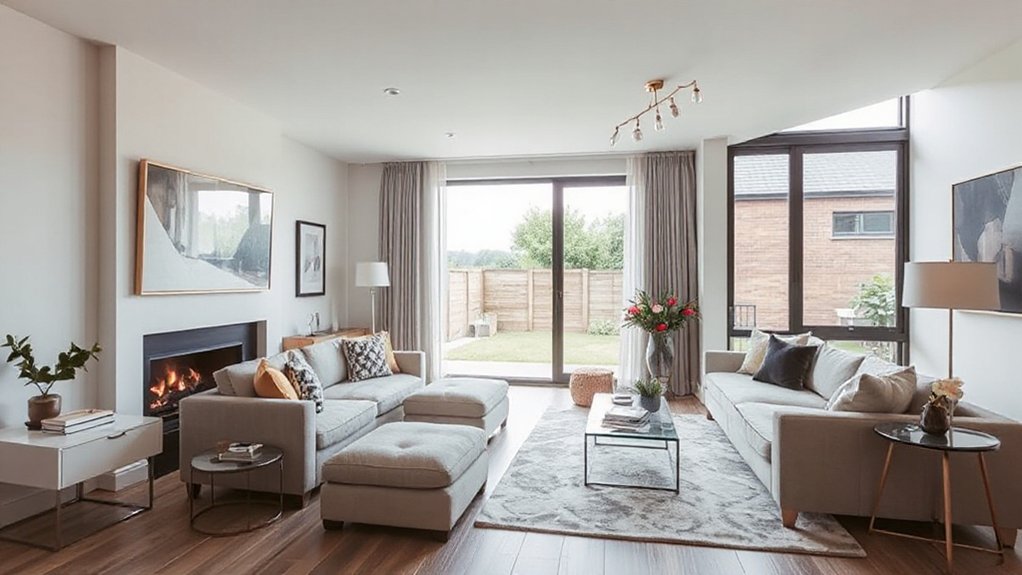
Pricing your Leeds listing requires a sharp eye on market data and timing, paired with crisp photos and transparent disclosures to build trust.
You’ll align pricing tactics with recent comps, test price psychology, and set a plan for adjustments.
While front-loading high-quality photos and floor plans that highlight key spaces.
Disclosures should be clear and complete, covering any defects and recent improvements to prevent delays later in the process.
Pricing Tactics Leeds
If you want Leeds buyers to notice your listing fast, set the price strategically from day one by using current market data, recent comparables, and your property’s unique strengths. Market analysis informs your starting point, while pricing strategies guide adjustments as activity evolves. You’ll balance attractively low risk with realistic expectations, aiming for strong showings and competitive offers.
- Assess recent sale prices and time-on-market to calibrate your list price.
- Anchor your price to visible value drivers like location, layout, and upgrades.
- Plan staged price progressions if demand is steady but not overwhelming.
- Monitor daily activity and adjust with discipline, not emotion.
This approach keeps you ahead of trends, maximizing exposure and potential offer strength.
Photos And Disclosures
For disclosures, be upfront about condition, recent works, and any known issues, matching legal requirements and local guidance. Include accurate floor plans, room dimensions, and property boundaries where possible.
Pricing alongside photos should reflect current market conditions, avoiding overstatements. Highlight recent renovations and energy performance details to aid property investment decisions. Confirm all disclosures align with legal considerations to reduce post-sale risk.
Create a Buyer-Focused Viewing Plan for Leeds Properties

Start by scheduling flexible viewing slots that fit buyers’ busy lives, so you capture more interested parties.
Highlight Leeds-specific perks during the tour, such as transit links, schools, and growing local amenities, to boost immediate appeal.
Be ready to prep for buyers’ questions with concise facts and ready data on pricing, condition, and potential updates.
Schedule Flexible Viewings
To win flexible viewings, map out a buyer-focused plan that fits Leeds’ pace and property mix. You’ll build trust by offering varied slots, rapid confirmations, and clear next steps. Align viewing times with commuting patterns and school runs to reduce friction.
Leverage virtual tours and concise summaries to pre-qualify interest before in-person visits. Use data-driven scheduling to balance peak demand with quieter windows, maximizing showings without overbooking.
Communicate expectations up front, so buyers feel accommodated and decisions aren’t delayed.
- Offer a mix of weekday evenings and weekend slots
- Promote virtual tours as a first filter for busy buyers
- Schedule back-to-back viewings when feasible
- Confirm feedback requests and next steps instantly
Highlight Leeds Perks
Leeds perks should be front and center in your viewing plan, so buyers see immediate value the moment they tour. When you outline a property tour, tie each room to a local benefit: kitchens near vibrant Leeds cultural spots, living areas adjacent to parks, and bedrooms close to quick access to local amenities.
Emphasize proximity to well-regarded schools, gyms, and coffee hubs that buyers care about daily. Highlight efficient heating, insulation, and recent repairs as cost-saving perks tied to city services.
Use floor plans and a short map of walkable routes to points of interest, showing how easy it’s to live here. Keep notes ready on transport links and future developments, so buyers picture a fluent, low-stress lifestyle in Leeds.
Prep For Buyers’ Questions
Preparing for buyers’ questions means you’ll guide viewers with a clear, question-ready plan that builds on the Leeds perks you’ve highlighted. You’ll anticipate common inquiries and structure showing slots to showcase urgency, cost, and value.
Center responses on Neighborhood amenities and Local market trends, so buyers sense confidence and leverage.
- Schedule viewing blocks around peak times and nearby facilities.
- Prepare a concise FAQ sheet addressing price history, transport links, and school catchments.
- Highlight energy efficiency, maintenance logs, and renovation potential.
- Offer a follow-up plan with updated market data and neighborhood stats.
This approach keeps conversations focused, reduces repetition, and demonstrates you understand buyer priorities in Leeds.
Frequently Asked Questions
How Long Does a Typical Leeds Property Sale Take From Listing to Completion?
Typically, a Leeds property sale takes 6–12 weeks from listing to completion, depending on buyer financing and conveyancers. You should plan for Property staging to speed up offers, and Market timing to maximize buyer interest and pricing.
What Are Common Hidden Costs Buyers in Leeds Consider Beyond Price?
You’re steering a shifting maze: hidden fees lurk behind doorways, and survey costs crop up unexpectedly. You’ll spot them early, compare quotes, and budget buffers, knowing prudent buyers in Leeds weigh these hidden costs alongside price.
Should I Upgrade Kitchen or Bathroom First for Leeds Buyers?
If you’re deciding, prioritize Kitchen upgrades first, then Bathroom renovations, as Leeds buyers often notice kitchen appeal most. Focus on durable finishes, modern appliances, and efficient layouts, then polish bathrooms with fresh tiles, fixtures, and tidy vanities.
How Does LEEDS Council Bedding Affect Property Sale Times?
Leeds council bedding regulations can prolong sale times if misread; you should verifyLabel each room, guarantee compliant linen storage, and document implications for occupancy. Stay trend-aware by highlighting compliant bedding setups and skip delays with proactive, practical compliance checks.
What Should I Disclose About Neighbor Disputes or Title Issues in Leeds?
Recent data shows 1 in 5 properties face title issues. You should disclose neighbor disputes and title issues in Leeds transparently, including any legal actions, boundaries, covenants, or unresolved complaints, to avoid delays and build buyer trust.
Conclusion
You’ll love how simple it is to overthink nothing—and still sell fast. You’ll tidy up, fix the basics, and stage so well your buyer barely notices the neighborhood, except to brag about it. Ironically, the more you do to reduce friction, the more buyers feel they’re buying a future they can already live in. In Leeds, move-in readiness isn’t magic; it’s a checklist you actually follow, and a clever photo plan that does the talking for you.