
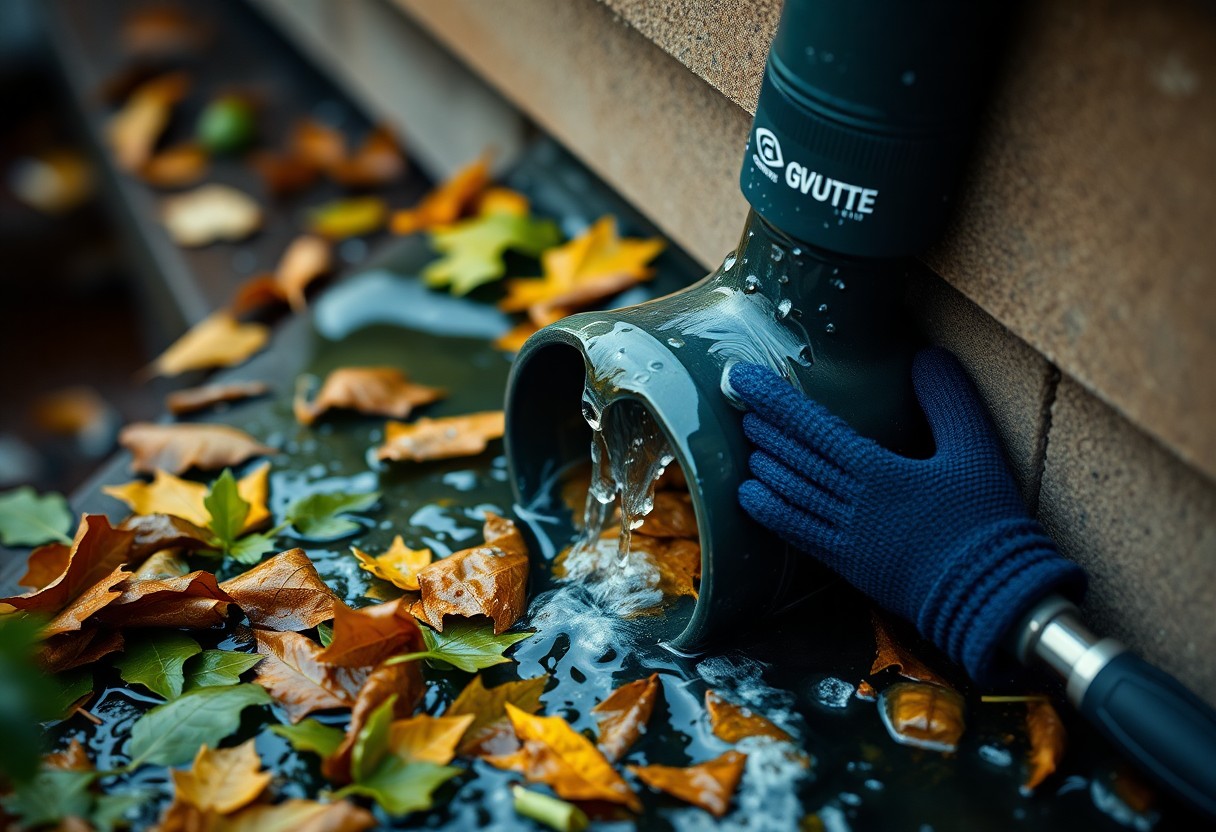

A blocked gutter downspout might not seem urgent until your walls start showing water marks or your garden floods. Knowing how to unclog a gutter downspout can save you a lot of stress, water damage, and costly repairs. With a few basic tools, a little elbow grease, and the right method, you can clear leaves, debris, and other blockages so rainwater flows freely again, keeping your home safe and your gutters doing their job properly.
Most homeowners encounter a clogged downspout at some point, leading to potential water damage and drainage issues. You can easily unclog your gutter downspout with the right tools and techniques, ensuring proper water flow away from your home. This guide will provide you with step-by-step instructions to quickly resolve the issue, protecting your property and maintaining your gutters’ functionality.
Understanding Clogged Downspouts
Clogged downspouts often lead to serious water drainage issues around your home. When debris accumulates, it creates blockages that prevent water from flowing freely, resulting in potential damage to your roof, walls, and foundation. Recognizing the signs of a clogged downspout and understanding its implications can save you time and expensive repairs in the long run.
Common Causes of Clogs
The most frequent culprits behind clogged downspouts include leaves, twigs, and mud that build up during storms or seasonal changes. Additionally, animal nests and debris from nearby trees can obstruct water flow. Ignoring these blockages can lead to overflowing gutters and increased water pressure against roofing materials.
Importance of Maintaining Downspouts
Regular maintenance of your downspouts is important for effective water management. Clean downspouts can significantly reduce the risk of water damage and ensure that your drainage system works optimally. Investing time in preventive care now can save you from costly repairs later.
Maintaining your downspouts not only protects your property but also promotes proper drainage, reducing the likelihood of basement flooding and soil erosion around your foundation. You can avoid clogs by scheduling routine inspections and cleanings-ideally twice a year or after heavy storms. This proactive approach helps ensure that water flows where it’s supposed to, safeguarding your home from the damaging effects of standing water.
How to Identify a Clogged Downspout
Identifying a clogged downspout is vital for preventing water damage to your home. You may notice various signs such as overflowing gutters, water pooling around your foundation, or a soggy yard. Additionally, during heavy rainfall, if water doesn’t flow freely from the downspout, it indicates a blockage that needs your immediate attention.
Visual Signs of Clogs
Several visual indicators can reveal a clogged downspout. Watch for water spilling over the sides of your gutters, which may indicate that they are unable to channel water effectively. Also, check for debris accumulation at the top of the downspout or observe stagnant water near the base. These signs suggest that your downspout is likely obstructed.
Using Tools to Diagnose the Problem
Employing tools can help you accurately diagnose a clogged downspout. A simple garden hose can test water flow; insert it into the downspout to see if water backs up, indicating blockage. A plumber’s snake or a flexible auger can help break through or pull out debris. Additionally, a flashlight can assist in checking for deeper blockages in the downspout’s interior.
Using a garden hose allows you to simulate rainfall, providing a clear indication of whether water can flow freely through the system. If the water backs up, it confirms a blockage. The plumber’s snake is especially effective in dislodging stubborn clogs, while a flashlight can help illuminate dark areas within the downspout, potentially revealing the exact location of the obstruction. Consider these tools as part of your maintenance routine to ensure efficient water drainage and to prevent costly damage.
Step-by-Step Guide to Unclog a Downspout
| Step | Description |
|---|---|
| 1 | Inspect the downspout for visible blockages or debris. |
| 2 | Gather the required tools and materials. |
| 3 | Use a plumber’s snake or a wet/dry vacuum to remove obstructions. |
| 4 | Flush the downspout with water to ensure complete clearance. |
| 5 | Secure all connections and ensure proper drainage. |
Required Tools and Materials
You will need a few vital tools: a garden hose, a plumber’s snake, a wet/dry vacuum, and safety gloves. These items will help you efficiently clear blockages without damaging the downspout. It’s also a good idea to have a bucket on hand to catch any debris that may fall during the process.
Unclogging Techniques
Various techniques can effectively unclog your downspout. Using a plumber’s snake allows you to reach deep obstructions, while a wet/dry vacuum can suck out loose debris. If both fail, consider removing the downspout to clear out blockages manually. Flushing it with water afterward ensures no remaining debris hinders future flow.
In cases where prominent blockages are visible, starting with a plumber’s snake is often effective. Insert the snake into the downspout and rotate it to break up clogs. For stubborn blockages like leaves or mud, using a wet/dry vacuum from the top can quickly pull out the debris. Additionally, if the downspout is removable, detaching it and cleaning it directly offers the best access to remove persistent clogs. After clearing, always follow up with a thorough water flush to check for any residual blockages.
Preventative Tips for Maintenance
Maintaining clear downspouts and gutters is vital to prevent future clogs. Consider the following tips:
- Inspect gutters and downspouts regularly, especially after storms.
- Remove debris from your roof and gutters frequently.
- Keep nearby trees trimmed to reduce falling leaves.
- Check for any signs of rust or damage.
- Ensure proper landscaping to direct water away from your home.
Thou shall find that these practices greatly reduce maintenance efforts.
Regular Cleaning Schedule
Establishing a regular cleaning schedule for your gutters and downspouts will prevent blockages. Aim to clean them at least twice a year-once in spring and once in fall. During heavy rainfall seasons, additional cleanings may be necessary. Set reminders on your calendar to stay proactive, as neglecting this chore can lead to expensive repairs.
Installing Screens and Guards
Installing gutter screens or guards is an effective way to minimize debris accumulation. These barriers allow water to flow through while filtering out leaves and twigs. This can significantly reduce the frequency of clogs and the need for regular cleaning, saving you time and effort. Consider investing in high-quality materials that can withstand various weather conditions, ensuring long-term performance.
Various types of screens and guards are available, including mesh filters, solid covers, and foam inserts. Mesh screens fit over it while allowing water to flow freely, whereas solid covers prevent larger debris from entering. Foam inserts sit inside your gutters and let rainwater filter through, blocking leaves. Researching the best fit for your gutter system will help you make an informed decision, ultimately enhancing your home’s drainage system.
Factors Affecting Downspout Performance
Several factors directly influence the effectiveness of your downspout in handling rainwater. Pay close attention to these key aspects:
- Downspout positioning
- Type of debris present
- Frequency of maintenance
- Construction materials used
- Local vegetation proximity
Knowing these factors helps you optimize the system for better drainage.
Weather Conditions
Your downspout’s performance can vary significantly with weather conditions. Heavy rainfall can overwhelm a downspout, while prolonged dry spells may lead to debris buildup. You might notice more clogs during fall as leaves drop, creating blockages that hinder water flow.
Type of Roof and Gutters
The materials and styles of your roof and gutters play a critical role in downspout efficiency. Asphalt shingles can shed granules that accumulate in gutters, while metal roofs might cause larger debris to slide into the system. Ensuring your gutters and downspouts complement each other is key to maintaining effective drainage.
The roof’s slope also contributes to how efficiently water flows into the gutters and subsequently down the downspouts. Steeper roofs often direct more water into the gutter system during rain, increasing the chances of clogging if debris is present. Choosing the right gutter style, such as a wider profile, can enhance performance by accommodating greater volumes of water and minimizing overflow during heavy storms.
Troubleshooting Common Issues
Despite regular maintenance, you may encounter persistent clogs or structural problems in your downspout. Addressing these issues promptly is necessary to preventing extensive water damage to your home. Identifying the root cause of clogs or deterioration will help you implement effective solutions, ensuring that your downspouts function optimally.
Persistent Clogs
If you encounter persistent clogs after multiple cleanings, debris like tree roots or sediment buildup may be the culprit. These obstructions can form deep within the downspout or surrounding pipes, preventing proper water drainage. You might need to use a plumbing snake or high-pressure washer to dislodge stubborn blockages effectively.
Structural Problems
Structural problems in your downspout system may not always be apparent but can significantly impact its function. Issues such as improper alignment, corrosion, and physical damage can restrict water flow and lead to overflow. In some cases, you might need to realign or replace sections of the downspout to restore optimal performance.
When dealing with structural problems, closely inspect the joints and connections in your downspout system. For instance, if sections are misaligned, water can pool or spill over instead of flowing freely. Corrosion, especially in older metal downspouts, warrants replacement to prevent leaks. If you’ve noticed any sagging or bending, that likely indicates the need for adjustments or replacements to maintain a clear channel for water. Regular inspections can help catch these issues early, reducing the risk of water damage to your home.
Final Words
Following this guide will empower you to efficiently unclog your gutter downspout, ensuring that your drainage system functions effectively. Regular maintenance and prompt attention to blockages will protect your home from water damage and other related issues. By utilizing the right tools and techniques, you can keep your downspouts clear and operational, maintaining the integrity of your roofing and foundation. Taking these steps will help you achieve a well-functioning drainage system and promote the longevity of your property.