
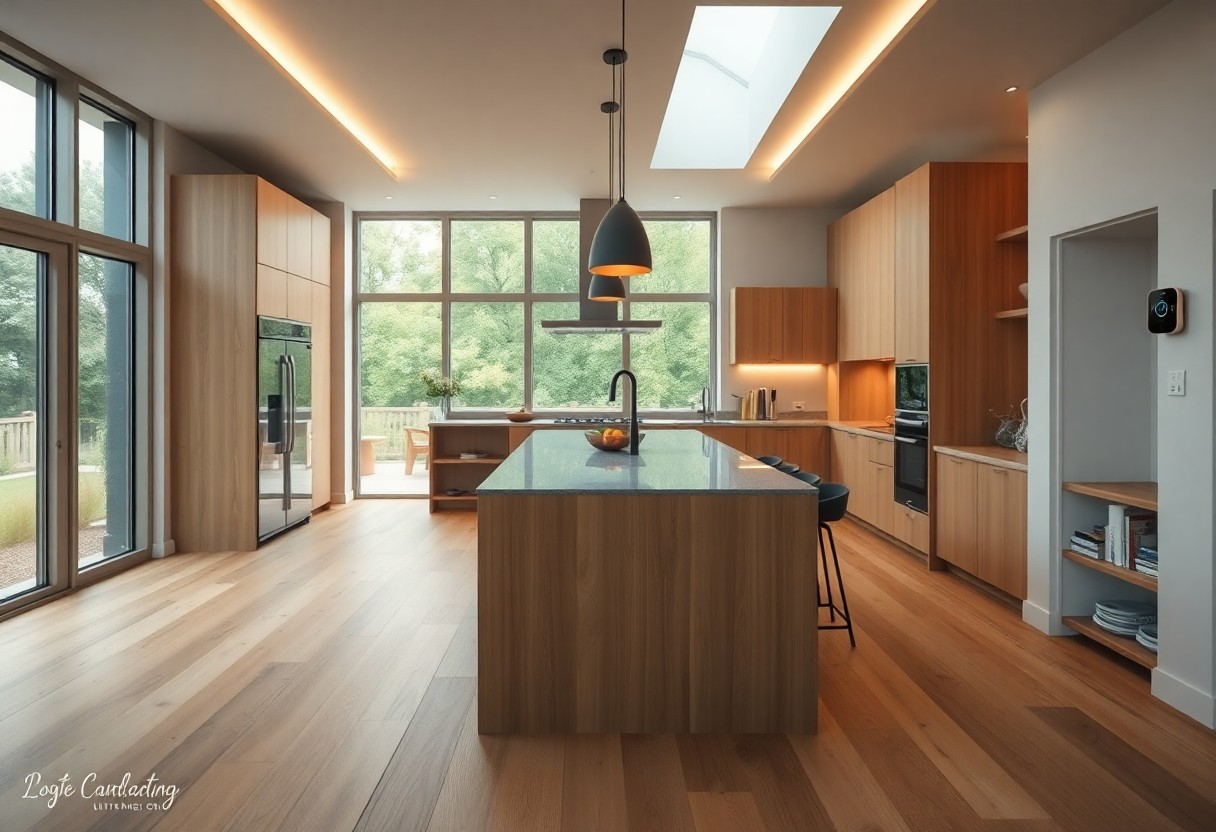

With strategic design choices and durable materials, you can create a home that adapts to changing trends and stands up to daily life; this list presents ten renovation ideas focused on timeless finishes, flexible layouts, energy-efficient upgrades, and high-quality fixtures so you can prioritize investments that retain value and aesthetic appeal, helping your spaces stay both functional and stylish over the next decade.
Timeless Color Palettes
You should choose palettes that age gracefully: balanced neutrals with thoughtful accents, consistent undertones, and finishes that read well in natural light. This approach lets your home adapt to changing trends while keeping a cohesive, elevated look you’ll still appreciate in a decade.
Neutral shades
You can rely on warm greiges, soft taupes, and muted whites to form a durable backdrop. These neutrals hide minor wall imperfections, harmonize with varied materials, and let furnishings change without clashing, so your rooms keep a calm, versatile foundation as styles evolve.
Accent colors
You should pick accent hues that add personality without overwhelming the space: deep navy, olive green, or terracotta work now and later. Applied to trim, a single wall, or furnishings, they refresh rooms and create focal points that can be updated easily.
To use accents effectively, limit them to one or two hues with consistent undertones and repeat them across textiles, art, and hardware to create cohesion. Test swatches in different light, choose finishes suited to the room’s function, and use accessories for bold statements so you can refresh looks without repainting.
Quality Materials
You future-proof your home by choosing materials that combine durability with timeless style. Invest in proven products-solid hardwood, engineered stone, high-grade metals-and prioritize proper installation and warranties so your surfaces and fixtures age gracefully, saving you replacement costs and keeping resale appeal strong.
Durable surfaces
You should select surfaces engineered to resist daily wear: quartz and porcelain for counters, sealed concrete or large-format tiles for floors, and UV-stable finishes for cabinetry. These options minimize maintenance, hide minor damage, and maintain appearance over years without frequent repair or replacement.
Sustainable resources
You can reduce environmental impact by choosing reclaimed or FSC-certified timber, recycled-content composites, and low-VOC paints. Prioritize materials with transparent sourcing and long service life so your choices support both durability and lower lifecycle emissions.
You should check certifications like FSC, PEFC or Cradle to Cradle and review Environmental Product Declarations (EPDs) to compare embodied carbon. Buy locally to cut transport emissions, favor repairable products, and consider reclaimed or remanufactured elements for character; durability and easy maintenance amplify sustainability over the next decade.
Open Floor Plans
When you choose an open floor plan, you maximize flexibility and long-term appeal by creating sightlines and circulation that adapt to changing needs. You can reconfigure furniture, add partitions, or expand sightlines without major demolition, making your home feel larger, brighter, and better suited to evolving lifestyle and resale demands.
Flexible layouts
Plan for flexible layouts by placing structural elements where they won’t hinder future changes and using modular furniture, sliding doors, and non-load-bearing partitions. You should route plumbing and electrical with access points and hubs so kitchens, baths, and home offices can move without heavy construction, keeping your renovation options open for years.
Social spaces
Design social spaces to support conversation, movement, and multiuse activities: arrange seating in clusters, maintain clear pathways, and integrate adjustable lighting and acoustics. You will increase your home’s long-term value when rooms are welcoming for both intimate gatherings and larger events, with durable finishes that age gracefully.
Think beyond aesthetics: incorporate flexible furniture (benches with storage, foldaway tables), media walls that conceal wiring, and sliding glass doors for indoor‑outdoor flow. You should add zoned lighting and sound control so different activities can occur simultaneously, and choose finishes that clean easily and withstand heavy use to keep social areas attractive over time.
Smart Home Technology
Embracing smart home technology keeps your renovation relevant by adding adaptable systems like voice-controlled assistants, whole-home automation hubs, and standards-based devices that update over time. Choose interoperable platforms and modular components so your setup evolves with new products, letting you upgrade features without redoing wiring or finishes.
Energy efficiency
Smart systems let you cut energy use and lower bills: program thermostats learn your schedule, smart lighting dims or turns off when rooms are empty, and whole-home energy monitors show where consumption spikes. Integrate solar and battery management so your home adapts to rates and maximizes efficiency over time.
Practical integration
Plan wiring, central hubs, and device placement so technology fits the home’s design and remains accessible. Run extra conduit and network cabling, locate a service panel for hubs, and choose devices that use open standards so you can swap components without major demolition, keeping upgrades simple and finishes intact.
Also focus on usability and maintenance: centralize controls with intuitive apps, secure your network with segmented access and timely firmware updates, and add battery backup for important systems. Clearly label cables and document device locations so you or any installer can perform upgrades or repairs quickly while preserving the look of your renovation.
Minimalist Design
Minimalist design reduces visual noise and prioritizes enduring elements so your home feels modern for years. You focus on clean lines, neutral palettes, and purposeful layouts that highlight light and space, favoring quality over trend-driven ornamentation to create rooms that adapt to changing tastes while remaining elegant and understated.
Clutter-free spaces
Clutter-free spaces depend on smart storage and disciplined habits to keep your rooms serene and functional. You integrate concealed cabinetry, entry drop zones, and designated homes for common items, and you adopt a routine of editing possessions so surfaces stay clear and the architecture and key furnishings remain the visual priority.
Functional furniture
Functional furniture blends form and practicality so your pieces remain useful and stylish over time. You choose modular sofas, multipurpose tables, and timeless finishes that adapt to new uses or layouts, prioritizing clean proportions and durable construction to ensure longevity and ongoing appeal.
Prioritize furniture with flexible configurations, built-in storage, and replaceable upholstery so you can refresh elements without replacing whole pieces. You should select neutral tones and classic silhouettes that pair with evolving accents, and choose materials like solid wood, steel, and performance fabrics that resist wear while testing comfort and mechanics for dependable long-term use.
Classic Fixtures
Your fixtures define the long-term personality of your home; choose timeless silhouettes, durable metals like brass or matte nickel, and finishes that patina gracefully. Opt for simple profiles over trendy shapes so your faucets, door handles and trim age with elegance. This approach ensures your rooms feel cohesive and refined even as styles evolve.
Hardware choices
You should favor classic forms – lever handles, rounded knobs, and understated backplates – in finishes that resist obvious trends. Select solid metal construction and versatile tones such as satin nickel, oil-rubbed bronze, or aged brass so your hardware complements new décor and maintains resale appeal without demanding frequent replacements.
Lighting designs
You can create lasting impact by pairing functional fixtures with architectural lighting: statement pendants over dining areas, layered ambient sources, and task lighting in work zones. Choose fixtures with clean lines and quality materials that coordinate across rooms so your lighting plan reads as intentional and enduring rather than dated.
You should specify warm-to-neutral color temperatures (2700K-3000K) for living spaces, include dimmers to adapt mood, and prioritize LED technology for efficiency and longevity. Plan fixture scale to room size, use layered lighting to avoid shadows, and choose designs with interchangeable shades or finishes so you can refresh looks without replacing entire fixtures.
Outdoor Living Spaces
Extend your home’s living area outdoors with flexible spaces that withstand changing styles and weather, focusing on durable finishes, adaptable layouts, and integrated lighting. Thoughtful design lets you host, relax, and add value while keeping maintenance low and aesthetics timeless.
Patios and decks
Choose low-maintenance, weather-resistant materials and modular decking patterns so you can update your look without rebuilding; plan for shade, drainage, and seamless indoor-outdoor flow so your patio or deck remains practical and stylish as trends shift.
Garden features
Design garden features-paths, raised beds, water elements and lighting-with adaptability in mind: use native plants, modular planters, efficient irrigation, and durable paving to keep maintenance manageable and ensure your landscaping evolves with your taste.
Plant a long-lasting backbone of perennials and evergreens, then layer seasonal bulbs and edible edgings for year-round interest; install a rain garden or permeable paving to manage runoff, add modular seating and low-voltage lighting, and fit a timed irrigation system so your garden stays healthy with minimal effort.
Versatile Storage Solutions
You should prioritize storage that adapts as your life changes: mix built-ins, modular units and flexible shelving to keep spaces functional and stylish. Neutral finishes, adjustable components and integrated lighting help your storage stay relevant, reduce future renovation costs and make rooms easier to stage or sell.
Built-in cabinetry
You can rely on built-in cabinetry to maximize space and create a seamless look that ages well. Choose adjustable shelving, soft-close hardware and timeless fronts so your cabinets remain practical as needs evolve and retain appeal across design shifts.
Built-in cabinetry: Features & Benefits
| Feature | How it helps you |
|---|---|
| Adjustable shelving | Adapts to changing storage needs without refits |
| Integrated lighting | Improves visibility and perceived quality |
| Custom fit | Maximizes space and creates a cohesive aesthetic |
Hidden compartments
You can add hidden compartments to protect valuables and maintain a clean aesthetic by integrating them into stairs, false drawers or wall panels. When well-designed, these features offer discreet security and practical storage without drawing attention.
Hidden compartments: Options & Uses
| Option | Why you’d use it |
|---|---|
| Under-stair storage | Stores bulky or infrequently used items out of sight |
| False drawer bottoms | Conceals documents and small valuables |
| Hidden wall panels | Creates secure, unobtrusive space for safes or papers |
When planning hidden compartments, map access frequency so everyday items stay reachable and long-term items go deeper. Use robust materials, concealed hinges and subtle seams, and work with a carpenter to ensure structural safety and seamless integration that enhances both security and resale value.
Natural Light Optimization
Maximizing natural light transforms your home, improving mood, highlighting finishes, and lowering lighting costs. Orient living areas toward sunlit façades, use light-reflective interior palettes, and minimize heavy window treatments so daylight penetrates deep into rooms. You’ll extend visual space and reduce reliance on artificial light while keeping a timeless aesthetic that still reads fresh in a decade.
Large windows
When you choose large windows, prioritize energy-efficient frames and double or triple glazing to control heat gain and loss. You can frame views to connect interior and exterior, use operable sections for cross-ventilation, and orient glass to balance privacy with daylight. Oversized windows paired with slimmer muntins keep a modern look that will age well.
Skylights
Skylights bring daylight to the center of your home, ideal for corridors, kitchens, and bathrooms where wall windows aren’t practical. Install fixed or venting models depending on your need for light versus ventilation, and choose low-E coatings and insulated flashing to minimize heat transfer. Thoughtful placement prevents glare while making interiors feel larger and more inviting.
Consider tubular skylights for tight spaces and curb or deck-mounted models for larger roofs; you should evaluate roof angle to optimize light distribution and avoid hot spots. Select laminated or tempered glazing for safety, integrate blinds or diffusers for glare control, and inspect seals periodically to prevent leaks. Proper flashing, professional installation, and ENERGY STAR-rated units extend performance and resale appeal.
Green Upgrades
You can reduce operating costs and boost resale value by integrating green upgrades that stay stylish and functional over the next decade. Prioritize energy-efficient systems, durable sustainable materials, and low-maintenance landscaping so your home adapts to tightening standards while lowering bills and environmental impact.
Solar panels
You should evaluate photovoltaic systems for roof orientation, shading, and available local incentives, and consider battery storage to maximize long-term returns. Investing in high-efficiency panels and professional installation keeps performance reliable and maintenance minimal, while increasing your home’s appeal to future buyers.
Rainwater harvesting
You can capture roof runoff for irrigation, toilet flushing, and landscape watering using compact tanks and filtration to reduce municipal demand and water bills. Designing systems with proper overflow, mosquito-proofing, and code compliance ensures a low-maintenance, lasting solution.
For effective rainwater harvesting, size storage to match your roof area and seasonal rainfall, install first-flush diverters and coarse-to-fine filters for intended uses, and select pumps or gravity-fed setups based on pressure needs. Schedule gutter and tank inspections, verify local permit requirements, and explore rebates to improve payback and legality.
Multi-Functional Rooms
Design rooms that adapt to multiple uses so your home stays relevant as your needs change. Use modular furniture, sliding partitions, and neutral finishes that let you transition between living, dining, play, and work without remodeling. Prioritize integrated storage and durable surfaces so the space functions well for your everyday life and occasional events, keeping resale appeal high.
Guest bedrooms
You can make guest bedrooms double as hobby rooms or media spaces by choosing fold-away beds, built-in storage, and flexible lighting. Keep finishes neutral and add adaptable furnishings-like a Murphy bed or a sleeper sofa-so the room works for visitors or daily use, maximizing square footage while preserving comfort and privacy.
Home offices
Set up a home office with a layout that supports focused work and occasional meetings: a slim desk, ergonomic chair, recessed storage, and accessible outlets and Wi‑Fi. Use neutral decor and adjustable lighting to keep the space professional and welcoming as your needs evolve.
For long-term functionality, prioritize ergonomics, cable management, and acoustic control so you can work comfortably for years. Install separate task and ambient lighting, choose shelving that adapts to changing tech, and plan for extra power and data ports. Modular desks and folding partitions let you convert the office into a guest room or studio when required.
Timeless Flooring Options
Select flooring that blends longevity and aesthetic adaptability to keep your home looking current; neutral tones, durable materials, and classic patterns make it easier to update your furnishings over time. You should prioritize materials that resist wear, are easy to maintain, and suit your lifestyle-high-traffic zones benefit from scratch-resistant finishes and water-resistant options. Investing in quality underlayment and professional installation further ensures performance and resale appeal.
Hardwood choices
Choose hardwood by balancing species, plank width, and finish-oak and maple offer enduring grain and wide availability, while engineered hardwood provides greater dimensional stability in moisture-prone areas. You should favor matte or low-sheen finishes to conceal scratches and select medium tones that adapt to evolving decor. Proper acclimation, periodic maintenance, and occasional refinishing will keep your floors looking refined for years.
Neutral tiles
Neutral tiles-warm grays, soft beiges, and off-whites-create a versatile foundation that lets you refresh your decor without replacing flooring. You should opt for large-format porcelain or quality ceramic with a matte finish to reduce visible grout lines and wear, and pick grout colors that blend with the tile for a seamless effect. Prioritize slip resistance where moisture is present.
When deciding on neutral tiles, assess undertones so your flooring harmonizes with cabinetry and wall colors-cool grays differ from warm greiges. You should consider rectified edges for tighter joints, calibrated thickness for level installation, and higher PEI ratings for heavy-traffic rooms. Neutral tiles also pair well with underfloor heating and are easy to clean, making them a practical, long-term choice.
Ageless Bathroom Designs
Your bathroom should balance timeless materials and flexible layouts so you avoid trends that date quickly; choose neutral palettes, high-quality fixtures, and durable finishes so your space stays elegant and easy to update, while thoughtful lighting and storage keep it practical for years to come.
Freestanding tubs
Freestanding tubs give you an instant focal point and adapt to many styles; choose a classic silhouette in stone or matte finish and pair it with simple hardware so your tub reads as intentional rather than trendy, while ensuring placement and plumbing access support long-term use.
Walk-in showers
You can future-proof your shower by opting for a barrier-free, walk-in design with frameless glass, large-format tiles, and a linear drain; this offers accessibility, easy cleaning, and a sleek look that remains contemporary, while allowing flexible shower fixtures to suit changing needs.
For greater longevity, plan your walk-in shower with a sloped floor, quality waterproof membrane, and accessible threshold so you and future occupants experience fewer repairs; incorporate a built-in bench, niche storage, and thermostatic valve so your shower stays comfortable, safe, and adaptable as tastes or mobility change.
Energy Efficient Windows
Upgrading your windows reduces energy bills, improves comfort and boosts resale value while lowering your home’s carbon footprint. Choose frames, glazing and installation that minimize air leaks, prioritize low-emissivity coatings and inert gas fills, and verify U-values and certification so your investment still performs well a decade from now.
Double glazing
Double glazing traps an insulating air or gas layer between panes to cut heat transfer and reduce condensation, noise and drafts. When you specify double glazing, opt for argon or krypton fills, warm-edge spacers and certified installation to maximize thermal performance and long-term durability.
UV protection
UV-protective coatings and laminated glass block harmful ultraviolet rays that fade fabrics, flooring and artwork, while preserving natural light. You can select spectrally selective low-E coatings or retrofit films to balance visible light transmission with UV rejection based on your exposure and aesthetic needs.
UV rays accelerate deterioration of textiles and finishes by breaking down dyes and fibers; select glass that specifies percent UV blockage (look for 99%+ for sensitive interiors). For historic frames or tighter budgets, retrofit UV films offer high protection, while full replacement with laminated or spectrally selective low-E glass gives superior longevity and acoustic benefits.
Cozy Fireplaces
A fireplace anchors your living space, offering warmth and timeless appeal while increasing resale value. Choose clean-lined materials like matte stone, steel, or plaster for a look that adapts to future trends, and position seating to encourage relaxed conversation. Incorporate integrated shelving or mantels that can be updated with finishes or décor, and plan for efficient ventilation and service access so your fireplace remains functional and stylish for years.
Modern designs
Opt for streamlined, minimal fireplaces that emphasize geometry and material contrast; you can pair narrow linear gas inserts with full-height stone or simple plaster surrounds. Use recessed lighting and hidden controls to maintain clean surfaces, and select neutral palettes so the fireplace complements evolving décor. Prioritize flexible hearthless options if you want to update flooring or layout later without major demolition.
Eco-friendly options
Choose high-efficiency gas units, certified wood stoves, or electric inserts powered by renewable energy to minimize emissions and operating costs; you can also install airtight surrounds and smart thermostatic controls to optimize heat delivery. Consider materials with recycled content and low-VOC finishes so your fireplace looks good while supporting indoor air quality and sustainability goals.
For greener heating you can choose pellet stoves, EPA-certified wood models, or electric inserts that pair with your home’s renewable electricity; add smart zoning and blower fans to distribute warmth efficiently. If you install gas, select high AFUE ratings and direct-vent systems to reduce indoor pollutants. Have ventilation and carbon monoxide detection professionally planned so energy savings don’t compromise safety, and check local incentives for rebates on low-emission appliances.
Versatile Kitchen Layouts
You should prioritize layouts that let you adapt the kitchen as your life changes-open sightlines, flexible islands, and clear traffic paths keep the space useful whether you’re cooking, entertaining, or working from home, ensuring long-term appeal and functionality.
Islands and bar stools
You can make an island multifunctional by combining prep space, storage, and casual seating; choose durable surfaces and flexible seating arrangements so you can shift from family meals to social gatherings without reconfiguring the room.
Practical workspaces
You want dedicated zones for prep, cooking, and cleanup with appropriate counter height, task lighting, and easy-to-reach outlets so everyday tasks feel effortless and efficient.
For more longevity, plan ergonomic heights for your main work areas, add pull-out cutting boards and appliance garages, and use modular storage that you can reconfigure as your needs evolve; this keeps your kitchen comfortable and future-ready without major renovations.
Durable Exteriors
Investing in long-lasting cladding, roofing and trim ensures your home’s curb appeal and value hold up over time; choose materials and detailing that require minimal upkeep so you spend less on repairs and more on enjoyment while adapting to changing styles.
Quality siding
Your siding is the first defense against weather and wear; opt for fiber cement, engineered wood, or high-grade vinyl that resists rot, pests and fading while offering finishes that age gracefully, reducing repainting and long-term maintenance costs.
Weather-resistant materials
Choose materials engineered for moisture control and UV stability so your exterior maintains its integrity; breathable underlayments, corrosion-resistant fasteners and sealed joints keep you protected from leaks and degradation for years.
Focus on proven options like metal roofing, composite decking, porcelain tile and fiber cement siding; you should evaluate manufacturer warranties, local climate performance and proper installation details-ventilation, flashing and slope-to ensure materials perform as promised.
Timeless Architectural Elements
You can anchor a renovation with classic architectural elements-clean lines, balanced proportions, and quality materials-that age gracefully. Opt for features like substantial moldings, arched openings, and paneled doors; they elevate aesthetics without following fleeting trends. Choose neutral palettes and durable finishes so your home feels intentional and refined for decades.
Crown molding
You can use crown molding to subtly increase perceived ceiling height and add refinement. Match the profile to the room scale-simple coves for modern spaces, layered profiles for traditional rooms-and select durable materials like painted wood or high-density polyurethane to minimize upkeep. Proper sizing and precise installation keep the detail looking intentional rather than fussy.
Arched doorways
You can introduce arched doorways to soften transitions and add enduring architectural interest. A shallow radius reads contemporary while a full curve feels classic; both frame views and improve flow between rooms, giving your home a cohesive, elevated character that remains stylish over time.
When planning an arch, consider ceiling height, doorway width, and the arch radius to preserve proportion-a common guideline is a 1:4 rise-to-span ratio for balanced elegance. Factor in header framing and potential reinforcement during construction, coordinate trim profiles with adjacent finishes, and test sightlines to ensure the arch enhances rather than disrupts circulation.
Thoughtful Landscaping
When planning outdoor updates, you should focus on designs that adapt as your needs evolve. Prioritize layered planting, durable hardscaping, and easy-access maintenance zones so your yard remains functional and attractive over a decade. Thoughtful choices reduce upkeep, increase curb appeal, and ensure your landscape complements future home updates.
Year-round appeal
You can create interest in every season by combining evergreens, seasonal blooms, and structural elements like ornamental grasses or sculptural shrubs. Add outdoor lighting and contrasting hardscapes so the yard reads well in winter and low light. This strategy keeps your property inviting and visually balanced year-round.
Drought-resistant plants
You should choose drought-resistant plants to cut water use and lower maintenance without sacrificing beauty. Opt for native species, succulents, and Mediterranean shrubs that thrive with minimal irrigation. Group plants by water needs and replace thirsty lawn areas with permeable hardscape or groundcover to protect your landscape against changing climates.
Focus on well-draining soil, deep mulching, and drip irrigation for best results. Select varieties like lavender, agave, salvia, and native grasses suited to your climate zone. Provide an establishment period with supplemental water, then taper off; correct placement, occasional pruning, and soil amendments will keep drought-tolerant plantings healthy and attractive for years.
Ageless Décor Styles
Emphasize clean lines, neutral palettes and high-quality materials so your interiors stay appealing as trends change. By prioritizing proportion, durable finishes and a restrained mix of textures, you create a backdrop that adapts over time. Layer in statement pieces sparingly and focus on scale and light to ensure your home reads as cohesive, refined and ready for whatever comes next.
Vintage accents
Integrate vintage accents as curated focal points rather than a full design strategy; you’ll preserve timeless character without dating your rooms. Select one or two restored pieces-an oak sideboard or a mid-century chair-with strong lines and craftsmanship. Use patina and history for warmth, balance them with modern elements, and prioritize condition and functionality so your additions remain both beautiful and usable for decades.
Classic art
Choose classic art that speaks to you and complements your home’s scale; you’ll benefit from works that transcend fleeting styles. Opt for pieces with enduring subjects, strong composition and subtle palettes that harmonize with your surroundings. Proper framing and lighting elevate these works, turning them into anchors that lend sophistication and continuity as your space evolves over the next decade.
To deepen your classic-art approach, invest in quality frames, archival mounts and UV-filtering glass so your pieces age well. Buy from reputable galleries or directly from artists, keep provenance and condition records, and rotate works to limit light exposure. Hang at eye level, group by theme or palette for cohesive displays, and use focused lighting to preserve color and maximize presence-small conservation steps protect both value and visual impact.
Conclusion
Now you can prioritize durable materials, neutral palettes, modular storage, energy-efficient systems and flexible layouts that adapt as needs change. By choosing timeless finishes, high-quality fixtures and scalable tech, you protect value and reduce future work. These thoughtful, forward-focused updates ensure your home still looks modern and functions well a decade from now.