
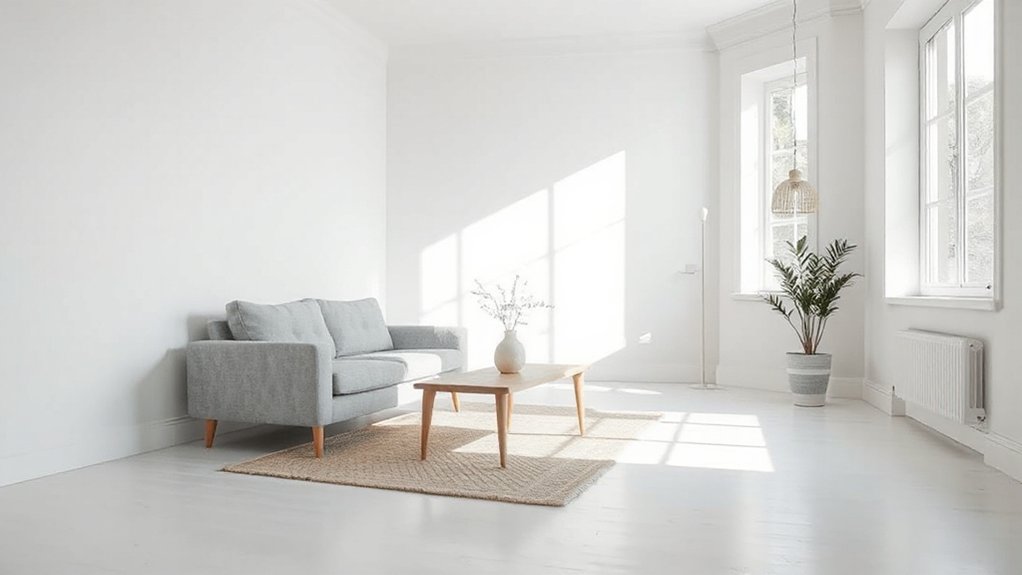

You probably don’t realize how much a single, well-chosen piece can reshape a room—the rest is just support for it. Minimalist design isn’t about deprivation; it’s about intent, function, and quiet visual calm. You’ll simplify, curate, and reallocate space to what truly serves you. Curious how to start with a clear framework, practical steps, and common traps to sidestep? Keep going.
Minimalist Interior Design: What It Is and Why It Works

Minimalist interior design distills a space to its essential elements. You choose lines, surfaces, and textures that serve purpose, not ornament. You create calm by removing clutter, then favor quality over quantity.
The result is a room that feels intentional, functional, and breathable. You’ll notice that every piece has a job, every color a reason, and every material a tactile truth. Artistic expression emerges through restraint: a single sculpture, a carefully placed plant, or a framed photograph conveys meaning without shouting.
Cultural influences appear as deliberate nods—iconic forms or traditional textures integrated with contemporary restraint. You measure success by clarity and usability: spaces that support work, rest, and connection while staying visually coherent and emotionally balanced.
Minimalism works because it prioritizes function without sacrificing meaning.
The Mindset of Minimalism: Clarity, Function, and Intent
Clarity, function, and intent aren’t decorative ideas; they’re the operating system of a minimalist mindset. You approach spaces with a mindset shift: you question every item’s necessity and its place.
Visual clarity becomes your first filter—uncluttered surfaces, purposeful lighting, and predictable zones that tell you where to look and what to do next. Before you buy, you pause, define purpose, and remove anything that doesn’t support it.
Each object earns its keep through utility, durability, or meaning; accessories stay simple, aligned, and removable. Your routines matter as much as your furniture: where you sit, how you move, what you touch daily.
Define Your Minimalist Look: A Simple Evaluation Framework
To define your minimalist look, start with a simple evaluation framework: identify your core function, preferred color and material palette, and the scales that feel right in your space. You’ll compare needs against aesthetics, then codify a short set of constraints: one main hue, two textures, and a limit on visual clutter.
Consider how you want rooms to feel—calm, focused, or airy—and let that guide decisions on furniture bulk, line quality, and storage. Use these criteria to assess potential pieces quickly, avoiding impulse buys.
Include Cultural influences as subtle accents and allow Artistic expression to breathe through carefully chosen contrasts, finishes, and art. This framework keeps your look cohesive, intentional, and adaptable as life evolves.
Core Principles in Practice: Simplicity, Function, and Intentionality
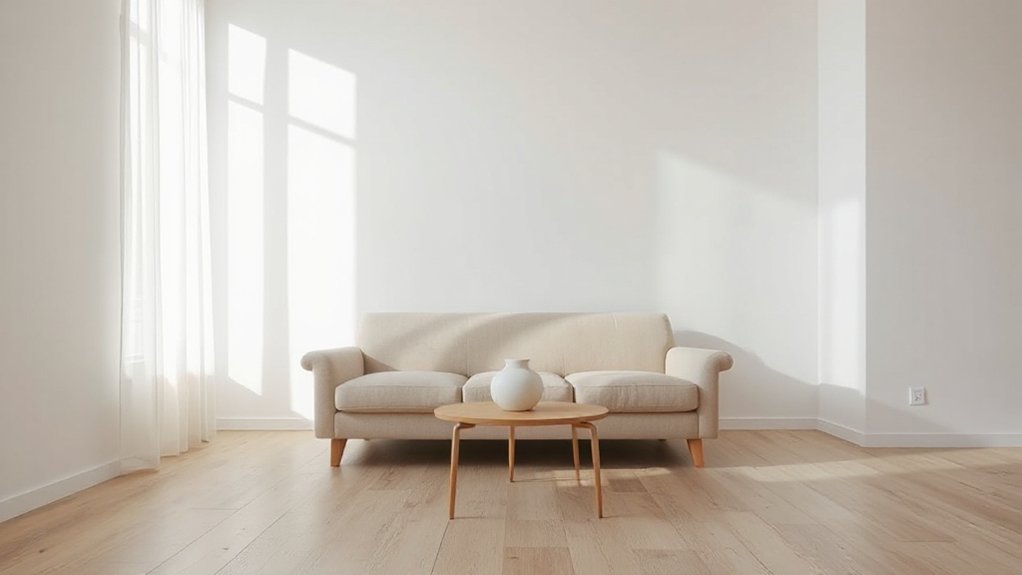
Simplicity, function, and intentionality shape everyday choices in a minimalist space. You’ll align each decision with purpose, ensuring only essential elements remain, and you’ll assess how they serve daily life, work, and rest.
Your approach blends practical constraints with personal meaning, so you can tour your rooms and feel clarity, not deprivation. Artistic expression and eclectic styles can coexist through selective accents that don’t overpower.
Now, apply these core principles in practice:
- Identify tasks each area must support, then remove anything unnecessary.
- Choose pieces by function first, aesthetics second, then test for fit in traffic and use.
- Use intentional contrast and subtle textures to convey interest without clutter.
- Curate moments of artistic expression with restraint, blending eclectic styles with harmony.
Color, Texture, and Scale: Defining Your Aesthetic
Color, texture, and scale define how a minimalist space reads at a glance. You shape perception by choosing a restrained color palette, then using texture to add depth. Color psychology helps you pick tones that influence mood—cool neutrals calm, warm off-whites invite comfort—without clutter. Keep color to a small set and rely on contrast for emphasis.
Texture contrast matters: pair smooth, matte, and tactile surfaces to create visual interest while preserving simplicity. Scale controls rhythm; oversized furniture can anchor a room, while smaller pieces prevent busyness.
You’ll succeed by aligning texture, color, and proportion with function, then testing in real light. Document your rules: dominant color, supporting hues, one texture mix, one accent material. Execute with purpose.
Room-Ready: A Living Room Starter Pack
After pinning your minimalist palette and texture rules, you’re ready to assemble a living room that works from day one. You’ll keep surfaces calm, layout practical, and lighting intentional. Your goal is a space you can live in without rethinking every week. Focus on durable essentials and a few bold touches to anchor the room.
- Choose a simple sofa in a neutral hue, with clean lines and sturdy fabric.
- Add a low-profile coffee table and a single storage piece to reduce clutter.
- Introduce botanical accents and a carefully selected piece of statement art.
- Finish with layered lighting: ambient, task, and a soft accent.
Stay disciplined: edit often, hide cables, and resist trend-driven accessories.
Kitchen Minimalism: Practical Workflows and Clear Surfaces

You keep clear work surfaces by limiting clutter and choosing easy-to-clean finishes.
Use functional storage solutions that place everyday items within reach, while hiding the rest.
Set up a streamlined appliance layout so each tool has a dedicated spot and minimal setup time.
Clear Work Surfaces
- Prioritize essential tools only, stored within reach.
- Establish a daily wipe-down routine after use.
- Use task lighting to brighten prep areas.
- Reserve surfaces for active tasks, not display.
Functional Storage Solutions
Efficient storage roots every kitchen workflow in practical, reachable configurations: choose cabinets and drawers that keep your essentials within arm’s reach, and assign each item a dedicated spot so you can finish tasks without rummaging.
You’ll maximize space optimization by grouping like items, labeling bins, and designing zones for prep, cleaning, and pantry.
Use deep drawers for pots, shallow ones for lids, and pullouts for bulky tools to reduce reach time.
Keep countertops clear by storing seldom-used appliances out of sight, contributing to aesthetic cohesion.
Implement a modular system: stackable containers, uniform shelves, and vertical organizers that exploit height.
Regularly reassess, removing duplicates and outdated items.
Consistency in hardware and finishes reinforces a calm, purposeful kitchen rhythm.
Streamlined Appliance Setup
- Narrow the appliance set to essentials
- Create a single, reachable “work triangle”
- Use multi-functional tools only
- Schedule regular surface resets
Bedroom Calm: Restful Layouts and Clutter-Free Zones
A calm bedroom starts with a simple layout that minimizes visual noise and maximizes space for rest. You prioritize a central bed as the room’s anchor, flanked by clear, open zones for movement. Keep surfaces uncluttered: choose one chair or bench, one dresser, and one nightstand with essential items only. Use hidden storage behind doors or within drawers to keep belongings out of sight.
Choose Eco friendly materials for textiles, flooring, and bedding to reinforce a serene vibe. Incorporate Vintage accents sparingly—one well-chosen piece can anchor the look without creating visual noise. Connect bed to a soft lighting plan with dimmable options, avoiding harsh overheads.
Maintain a consistent tonal palette and limit contrasting patterns to preserve a calm, orderly atmosphere.
Bath and Laundry: Streamlined Fixtures and Clear Surfaces
In your bath and laundry, prioritize streamlined fixtures that minimize visual clutter and maximize workflow. Keep clear surface spaces by eliminating excess products and choosing integrated storage to maintain a calm, open feel.
This approach creates a practical, precise routine where every item has a purpose and a place.
Streamlined Fixtures
Streamlined fixtures in the bath and laundry create a calm, uncluttered space by embracing clean lines and minimal hardware. You’ll reduce visual noise and simplify maintenance with compact fittings and concealed fasteners, letting surfaces breathe.
Focus on integrated controls, wall-mounted outlets, and uniform finishes to reinforce cohesion. The result is a functional setup that maximizes usable area without sacrificing performance.
- Choose wall-mounted taps and concealed drains for a seamless look
- Opt for single-handle or touchless controls to simplify operation
- Use uniform finishes (chrome, matte nickel) across fixtures
- Install recessed or low-profile storage to maintain clear surfaces
Streamlined fixtures, minimalist fixtures, when executed thoughtfully, keep the bath and laundry practical, durable, and easy to maintain.
Clear Surface Spaces
Clear surfaces in the bath and laundry keep rooms calm and easy to clean. You aim for uncluttered counters, shelves, and tubs, so daily tasks stay efficient.
Choose built-in storage, wall hooks, and recessed niches to hide odds and ends. Use closed cabinets rather than open baskets for a sharper look.
When you place items, group related tools together and keep only daily essentials visible.
Decor should stay intentional, with Decorative accessories limited to a single, meaningful piece per zone.
Stick to neutral tones and matte finishes to minimize visual noise.
For a personal touch, integrate Artistic expressions through discreet textures or subdued art that aligns with your palette.
Regular reviews prevent buildup, preserving clear surface spaces and maintaining a practical, functional bath and laundry.
Lighting as a Design Tool: Warmth Without Visual Noise
Lighting can set mood without adding clutter; you can achieve warmth through strategic fixtures and subtle finishes that stay out of sight. You’ll guide the room’s tone by choosing sources that blend, not shout, while preserving clean lines and visual calm. Use ambient glow to create a soft base, then layer lighting with purpose to avoid glare or noise. Keep controls simple and accessible for daily use, not decoration.
- Select concealed or recessed fixtures for unobtrusive ambient glow
- Add task lighting only where needed, keeping profiles slim
- Use dimmers to control intensity without changing color
- Choose warm, neutral finishes to merge lighting with surfaces
Remember lighting layers shape mood, not clutter; stay precise and practical.
Decluttering That Sticks: Habits, Routines, and Systems
To keep decluttering effective, establish habits that fit your daily routine and start small with clear, actionable steps.
Create simple systems—like a quick weekly review and a straightforward drop-off plan—that you can maintain without extra effort.
Stay focused on consistency, not perfection, and adjust as needed to keep the space clear long term.
Habits That Stick
1) Do a 5-minute reset every evening, returning items to their homes and resetting surfaces.
2) Use one bin system per room, with labeled zones that cue cleanup.
3) Implement a daily 2-minute pickup after meals to prevent buildup.
4) Schedule monthly 15-minute declutter sessions to reassess necessities and relearn smarter storage.
Systems For Sustaining
If you want decluttering that lasts, establish simple, repeatable systems you can trust. You keep momentum by designating daily, weekly, and seasonal routines that fit your life, not the other way around.
Use clear categories: keep, donate, recycle, and rotate. Maintain labeled bins and a central drop zone so decisions don’t recur.
When you replace items, opt for sustainable materials and durable construction, prioritizing quality over quantity.
Track changes with a quick five-minute daily review and a longer monthly audit to adjust as needed.
Embrace eco-friendly practices by choosing secondhand or responsibly sourced pieces, and by implementing mindful purchasing.
Reflux clutter with a simple rule: if it doesn’t serve a current purpose, let it go.
Systems endure when habits become routine.
Neutral Palettes With Subtle Accents: Color Pairings

Neutral palettes form the backbone of a calm minimalist space, and choosing subtle accents keeps the look refined rather than flat. You’ll balance neutrals with restrained color pairings that feel intentional, not busy.
Use color psychology to guide emotion—cool tones calm, warm tones invite coziness, and muted hues prevent distraction. Accent lighting amplifies the effect without overwhelming the room.
Keep contrasts gentle and purposeful, not stark.
- Pair soft taupe with charcoal for depth without heaviness
- Introduce a muted blush or sage as a quiet focal point
- Add a single navy or forest green highlight for sophistication
- Use warm white light to enhance the subtlety of your accents
Choosing Furnishings: Quality Over Quantity
Choosing furnishings means prioritizing quality over quantity to sustain a calm, cohesive space. You’ll select fewer pieces that earn their keep, focusing on function, durability, and timeless design.
Start with core anchors—sofas, chairs, storage—that handle daily use without showing wear. Aim for clean lines and solid construction; opt for neutral bases you can mix with evolving accents.
When you choose, test scale, comfort, and material feel, not just look. Avoid clutter by reserving decorative accessories for deliberate spots; let each item earn its place.
Introduce features gradually, so you don’t overpower the room. Incorporate decorative accessories and statement artwork thoughtfully, ensuring they enhance without shouting.
With restraint, your space remains adaptable, serene, and effortlessly aligned with minimalist principles.
Budget-Smart Investments for Beginners
Start with Smart Budget Essentials: prioritize versatile, timeless pieces that fit your space and routine.
Choose Quality Over Quantity by investing in a few durable basics rather than many disposable items.
Focus on Long-Term Value Picks that perform well, hold their look, and reduce future replacement costs.
Smart Budget Essentials
Smart budgeting for beginners means choosing a few reliable investments that deliver long-term value without breaking the bank. You’ll focus on essentials that elevate a space without excess, balancing function and form with restraint.
By selecting items that age well and suit multiple roles, you create room for thoughtful updates over time. This approach supports artistic expression through carefully chosen touches and avoids trend-driven clutter, while prioritizing sustainable materials where possible.
Use solid foundations, then layer in accents as you grow.
- Quality foundational pieces (sofa, table) that endure
- Timeless storage solutions that reduce clutter
- Multiuse or modular furniture for flexibility
- Accent textiles and art that reflect your style without overspending
Quality Over Quantity
When you invest, prioritize quality over quantity to maximize long-term value.
In minimalist spaces, choose durable basics with clean lines and timeless finishes. Focus on a few high-impact pieces rather than many cheap items.
Before buying, assess how each piece contributes to function, mood, and flow.
Color psychology guides atmosphere: select finishes and textiles that reinforce calm, cohesive zones.
Build a visual hierarchy by placing the most important items at eye level and keeping supporting pieces unobtrusive.
Invest in solid hardware, well‑sewn upholstery, and stable dimensions that align with room scale.
Allocate funds to lighting and textiles first, since they shape perception more than form alone.
Finally, resist impulse buys; every purchase should reinforce simplicity, clarity, and sensible value.
Long-Term Value Picks
Long-term value isn’t about the price tag; it’s about durable, versatile pieces that stay useful year after year. You’ll choose items that perform across rooms, resist trends, and age gracefully. Prioritize craftsmanship, clean lines, and materials you can repair. Keep aesthetics simple so the pieces remain relevant.
- Solid-wood dining table with a timeless finish
- Modular sofa in a neutral fabric with easy-to-clean options
- Steel shelving units finished in matte or satin tones
- Minimalist lighting that travels well between spaces
These picks support artistic expression without chaos, and they rely on Sustainable materials where possible. You’ll enjoy a calm, cohesive environment while your budget stretches further, reducing waste and replacement cycles.
Common Pitfalls to Avoid (And How to Fix Them)

Common design pitfalls in minimalist spaces usually come from overthinking the look rather than the function. You’ll often pack too much into a room, chasing trends instead of coherence.
Start by clarifying how you’ll use the space daily, then trim excess to essentials. If a piece doesn’t serve a clear purpose, remove it. Watch scale: large objects can crowd a small room; a single oversized item often defeats minimalism.
When decorating, avoid clutter by limiting decorative accents to a deliberate few. Choose quality, not quantity, and let space breathe.
Include personal expression through restraint—one meaningful piece can define a mood without overwhelming it. Maintain symmetry or intentional asymmetry, and keep textures simple and tactile.
Regularly reassess each item’s value, removing what’s redundant.
Quick Wins: Small Tweaks With Big Impact
Small tweaks can yield big results in minimalist interiors. You don’t need a remodel to sharpen the look—focus on intentional adjustments that enhance calm and function.
This section highlights quick wins that honor artistic expressions and cultural influences while preserving restraint.
1) Curate a single focal piece: an artwork or textile that speaks to artistic expressions without shouting.
2) Adjust contrast subtly: pair a dark mug with a light surface, or a warm wood with cool steel, for instant depth.
3) Declutter styling spaces: rotate 3 items seasonally to maintain intent and avoid clutter.
4) Introduce texture with textiles: a woven throw or linen cushion adds warmth and cultural influences without noise.
Frequently Asked Questions
How Do I Start With Less Than a Full Redo?
Start small: declutter, then pick a cohesive color palette and a few decorative accessories. Swap out bulky pieces, use multi-functional furniture, and add meaningful accents. Maintain negative space, test ideas, and adjust until everything feels calm and purposeful.
Can Minimalist Design Work With Existing Furniture?
Yes, minimalist design works with existing furniture. Start by evaluating color palette and furniture arrangement, removing excess pieces, and reconfiguring layouts. Embrace functional pieces, declutter surfaces, and keep lines clean—like a 19th-century telegraph, decisive and concise.
What’s the Quickest Way to Reduce Visual Clutter?
Declutter first, then group like items and choose one focal color. Use smart storage for essentials, and limit decor to a single color scheme. Decor organization improves instantly; apply a neutral base and maintain with simple, daily routines.
How Long Does It Take to Feel Settled In?
You’ll start feeling settled within a few weeks as personal comfort and emotional adjustment align. You’ll notice calmer mornings, steadier routines, and clearer choices, because intentional space supports you, guiding practical rhythm and less anxious, more confident living.
Which Budget-Friendly Upgrades Make the Biggest Impact?
Upgrade with affordable decorative accents and cohesive color schemes; you’ll see the biggest impact fast. Choose a single neutral base, add a few texture-rich pieces, and repeat a unifying color to create calm, intentional spaces.
Conclusion
Minimalism isn’t about deprivation—it’s about making space for what matters. If you declutter once and adopt intelligent storage, you’ll free up hours for living, not arranging. For context, surveys show rooms with clear surfaces and purposeful lighting feel 20–30% larger and calmer. Start with one area, define its core function, and swap in quality pieces that serve multiple needs. Focus on intent, adjust as you go, and your space will reflect your priorities—without the chaos.