


You may be surprised to learn that many garage conversions don’t need full planning permission, but you’ll still face strict building regulations and local rules that can bite if you’re not prepared. You’ll want to map out size, location, and structural changes early, and confirm whether you’re in a protected area or have a listed building, because this determines the red tape. There’s more to cover—timelines, documents, and potential pitfalls—so you’ll want to handle each step with care to avoid costly delays.
Do I Need Planning Permission for a Garage Conversion?

If you’re wondering, “Do I need planning permission for a garage conversion?” the short answer is: it depends. You’ll evaluate whether the project stays within permitted development rights or requires planning approval.
In many cases, converting a detached or attached garage that doesn’t expand the footprint or height can fall under permitted development, but size, materials, and location matter. You should check local authority guidelines and any conditioned restrictions in your area.
You’ll also consider the structural changes, insulation, and fire safety, which influence approvals.
Budget for Conversion costs, including any surveys, fees, and potential alterations to meet building regulations.
Prioritize Garage aesthetics to ensure the finished space blends with the home’s exterior while staying compliant.
Seek a professional assessment if uncertain.
When Permitted Development Applies and Its Exceptions
Permitted development (PD) covers many garage conversions, but it isn’t automatic: you must meet specific size, type, and location criteria. Any work that steps outside those limits becomes planning-requiring.
PD applicability hinges on parcel size, rear extension depth, and the dwelling’s existing footprint, plus no alteration to the building’s primary dwelling status. If your project surpasses limits, you’ll need full planning permission.
Exemptions exist for listed buildings and those in conservation areas, where Local Planning Authorities may tighten rules. Zoning restrictions can tighten what you can alter or extend, even within PD.
Historical preservation considerations may override PD allowances, so consult the planning authority early. Always document design choices, ensuring materials harmonize with surroundings to reduce risk of later refusal.
Garage-Specific Building Regulations: Structure, Insulation, and Services
Garage-specific building regs tighten what you can do inside and how you do it. You’ll need to verify structural integrity before any conversion, ensuring load-bearing walls, foundations, and roof spans meet current standards.
Insulation requirements matter for energy efficiency and comfort, so plan for adequate cavity or solid-wall insulation, plus appropriate air gaps and vapor barriers.
Services must be installed to meet safety codes, with correct electrical sizing, RCD protection, and accessible isolation points.
Fire safety is non-negotiable: wall and door ratings, fire stops, and escape routes should align with bylaws.
Consider ventilation to prevent damp and mould.
Garage aesthetics influence finish choices but also compliance, so opt for non-combustible materials where required.
Material choices impact thermal performance and compliance, so choose durable, code-approved options.
Planning Application Essentials: Documents, Timeline, and Tips
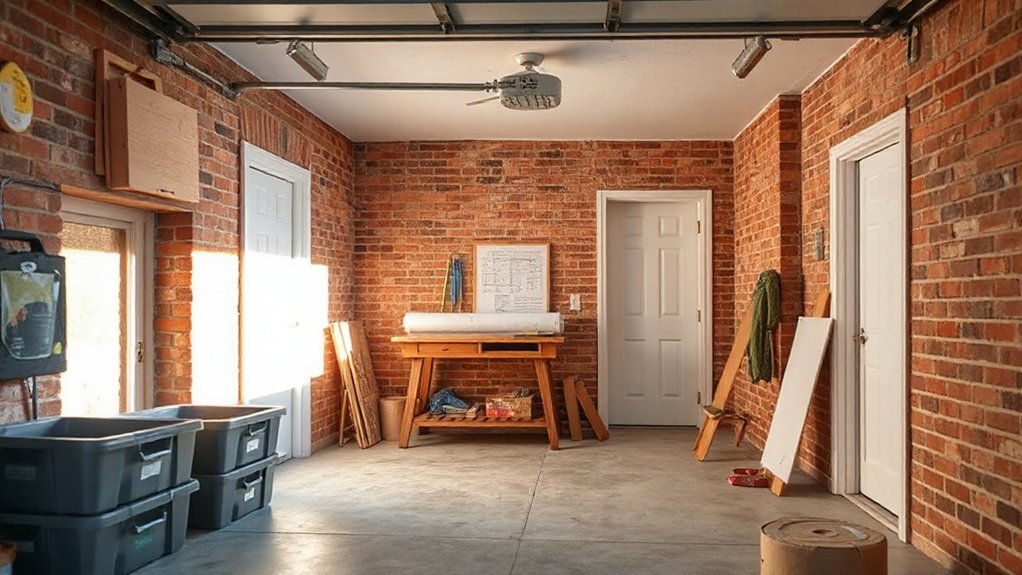
To start your planning application on solid footing, gather the required documents early, map out the typical timeline, and adopt a practical, checklist-driven approach. You’ll submit plans, applications, and disclosures with precision, avoiding delays from missing items.
Keep design inspiration in mind while detailing spaces, access, and utilities, and align them with regulatory expectations.
Budget planning should reflect realistic costs, contingency, and approved standards, so you don’t overpromise and underdeliver.
Prepare stamped drawings, site plans, energy assessments, and a design and access statement where required.
Communicate clearly with your local authority, and track each milestone to stay on schedule.
- Required documents list and submission steps
- Timeline milestones and authority checks
- How to present design inspiration within regulations
- Budget planning strategies with contingencies
- Tips to avoid common submission pitfalls
Delays and Pitfalls: How to Keep Your Garage Conversion on Track
Delays and pitfalls are common in garage conversions, but you can stay on track by anticipating approval hiccups, materials hold-ups, and scheduling gaps before they derail your timeline.
To minimize disruption, build a realistic permit timetable with buffer days for weather, inspections, and revision requests.
Track conversion costs meticulously, and prepare a contingency fund for unseen expenses.
Choose reliable tradespeople and verify credentials, licenses, and insurance to prevent stoppages from disputes or unsafe work.
Align garage aesthetics with existing structure to avoid design rework at later stages, and secure approvals for any change in use or access.
Keep documentation organized, respond promptly to requests, and maintain open communication with your planning authority.
Regular progress checks reduce risk and help you complete within budget and timeline.
Frequently Asked Questions
How Will a Garage Conversion Affect Property Value and Resaleability?
A garage conversion can boost your property value and resaleability, especially if you upgrade interiors, add interior insulation, and complete plumbing upgrades. You’ll attract buyers by meeting regulatory standards, improving energy efficiency, and delivering a functional, compliant living space.
Can Garage Doors Be Retained or Must They Be Replaced?
Garage doors can stay if you meet insulation and fire-safety rules; you may need window installation or panels with thermal breaks. Confirm garage insulation and proper ventilation, then check regulatory guidelines before deciding.
Are There Fire Safety Requirements Specific to Garage Conversions?
Yes, there are fire safety requirements you must meet in a garage conversion. You’ll need to follow fire safety regulations and guarantee renovation compliance, including proper fire doors, thermal insulation, alarms, and compartmentalization to protect occupants.
Do Neighbors Need to Be Informed or Consulted for the Conversion?
Yes, you generally need neighbor notification or consultation, depending on local regulations. Picture your plans like a drawn map: you’ll likely submit notices, inform neighbors, and comply with local regulations to avoid delays and objections.
What Are Typical Ongoing Maintenance Costs After Completion?
You’ll face ongoing costs like energy bills, insulation upgrades, and routine maintenance—budget for improved energy efficiency and meeting insulation standards, plus periodic checks on heating systems, ventilation, damp-proofing, and roof/waterproofing to stay compliant and efficient.
Conclusion
You’ve got this: plan, document, and confirm with local authorities early to dodge delays. If you’re doing a garage conversion, remember that about 30% of projects run into permit hiccups or paperwork gaps, so double-check permissions and building regs before you start. Keep a detailed schedule, budget buffer, and fire, insulation, and electrical checks on the front end. With careful prep, your new living space can meet code and stay on track from demo to occupancy.