
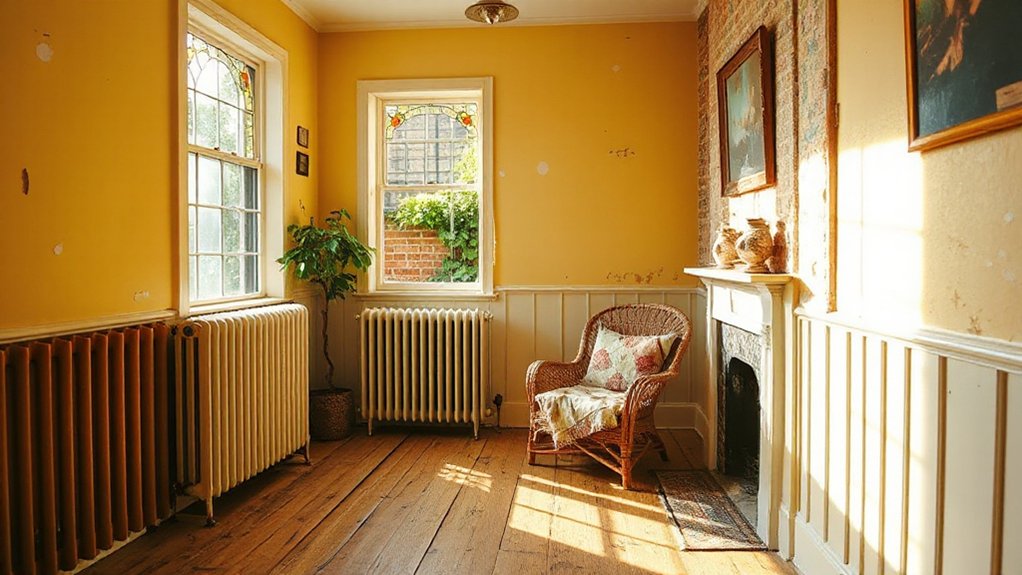

A cottage’s charm often hides in its scuffed floors and quiet doorways, where every knot and nail tells a story. You’ll want to map its original character, then design around authentic materials, period cues, and gentle updates that respect circulation and proportion. Focus on restoration over replacement, keep patina intact, and source reclaimed fixtures when possible. A careful, phased plan will reveal how to modernize without erasing what makes the home feel timeless—and it’s worth keeping that balance close at hand as you proceed.
Identify the Cottage’s Original Character to Protect
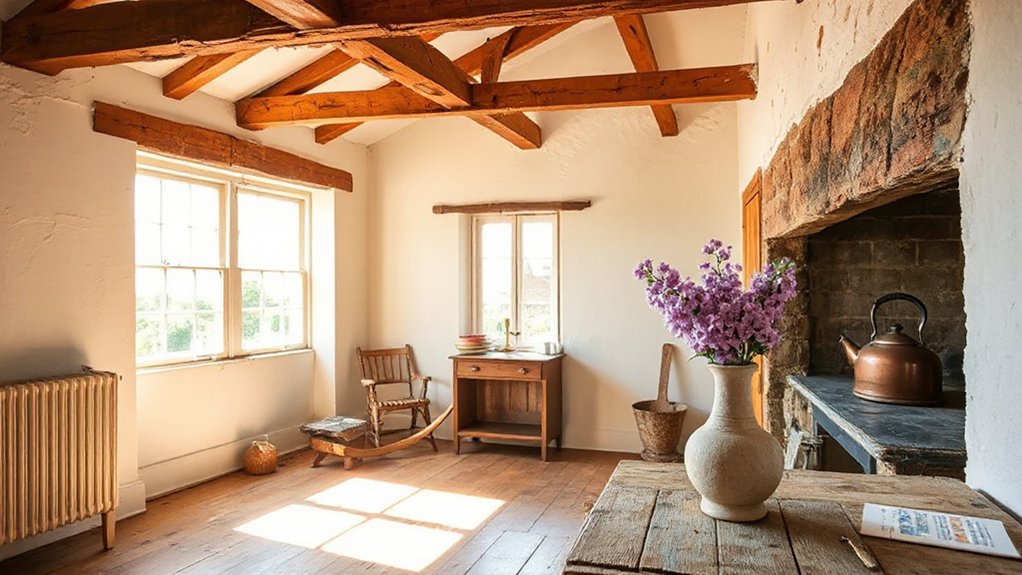
Identifying the cottage’s original character starts with a clear inventory of what gives it its charm: its layout, materials, and detailing. You map each space’s flow, noting how rooms connect, door orientations, window placements, and thresholds that define movement.
Next, you document materials that convey age and craft—beam widths, plaster textures, wood flooring, and brick or stone reveals. Then you catalogue detailing that marks era and quality: mouldings, cornices, hardware, and joinery patterns.
This record isn’t nostalgic fluff; it guides decisions. Focus on Architectural details that define proportion and rhythm, and Interior accents that carry the hand of previous builders. Keep the inventory measurable, verifiable, and portable, so renovations honor the cottage’s essence while you plan thoughtful, compatible updates.
Create a Period-Inspired Design Framework: Palette, Proportions, and Fixtures
To build a period-inspired framework, start by selecting a restrained palette that echoes the cottage’s era without feeling dated: limit to 2–3 core hues, with warm neutrals as the base and a handful of accent colors drawn from traditional paints, wallpapers, or local materials.
- Define proportions that honor original spaces: maintain door widths, ceiling heights, and window openings where possible to preserve rhythm.
- Choose fixtures that read as era-appropriate without clichés: compact hardware, simple moldings, and unobtrusive metals.
- Prioritize vintage textiles and surface treatments that weather gracefully, rather than flashy reproductions.
- Plan lighting as elegant lighting that complements scale: soft ambients, task illumination, and a few statement pieces.
This framework guides restoration with restraint and intention.
Prioritize Restorative Work That Preserves Floor Plan and Circulation
You’ll start by preserving the floor plan you already have, resisting needless reshaping that erodes its history. Focus on keeping circulation logical and unobstructed, so hallways and doorways read clearly and flow naturally.
Prioritize restoring original proportions in rooms and openings to maintain the cottage’s timeless rhythm.
Preserve Floor Plan Integrity
Preserving floor plan integrity starts with a clear map of the cottage’s original circulation: identify every doorway, threshold, and passage that defines how you move through the space, then prioritize restorative work that keeps those routes intact.
- Reopen or reinforce historic doorways so passages remain the same width and alignment as original sketches.
- Patch walls and ceilings to preserve existing profiles, avoiding new partitions that alter flows.
- Restore floor gradients at thresholds, ensuring level changes don’t disrupt movement.
- Carefully document changes and keep a running index to guide future renovations, including exterior preservation and garden landscaping so the exterior and interior circulation stay in harmony.
Prioritize Circulation Flow
Prioritizing circulation flow means you keep the original pathways intact while making only targeted, restorative adjustments. You map existing traffic cues—entry thresholds, door swings, and clear sightlines—and plan around them rather than against them.
Start with furniture placement that clarifies paths: place sofas and chairs to guide movement seasonably, not to block natural routes. Keep primary thresholds unobstructed and widen tight doorways if structurally feasible, preserving trim details.
Lighting placement matters: layer ambient, task, and accent lighting to reinforce routes without creating glare. Avoid chasing trendy layouts; favor subdued, timeless arrangements that respect room proportions.
Test with a quick walkthrough, adjust choke points, and document changes for future reference. Your aim is seamless flow that feels original, not modified.
Restore Original Proportions
To restore original proportions, start by mapping the existing floor plan and documenting every fixed element—walls, doorways, built-ins, and trims—so restorative work respects the house’s baseline geometry. You’ll safeguard historical accuracy while guiding every decision toward faithful reproduction and longevity.
- Create a precise record of room dimensions, door locations, and ceiling heights to anchor changes to the original rhythm.
- Prioritize retaining original sightlines, corridors, and *passages* to preserve circulation flow.
- Match trim profiles, materials, and joinery to existing details for seamless integration.
- Validate every alteration against historical references, ensuring artistic preservation without compromising modern comfort.
Choose Authentic Materials and Reclaimed Fixtures
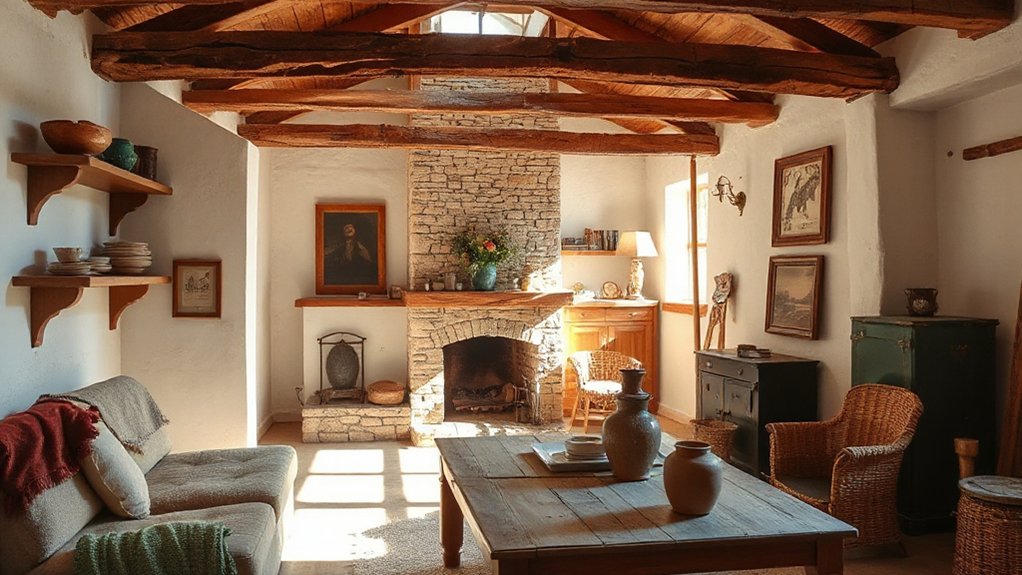
Choosing authentic materials and reclaimed fixtures isn’t about nostalgia alone—it’s about the cottage’s future integrity. You’ll select finishes that age gracefully and align with historic character, not just trends.
Prioritize locally sourced timber for floors and beams, and look for hand-hewn details that reveal craft, not sheen. For walls, choose lime plaster or clay finishes over synthetic alternatives to breathe and patina with time.
When sourcing fixtures, favor reclaimed iron hardware, brass sinks, and period-appropriate lighting that reflects original silhouettes. Inspect each piece for structural integrity, replacing only what’s necessary while preserving patina.
Incorporate rustic textures and vintage fabrics in soft furnishings to echo the era without overpowering spaces.
Document provenance, maintain joinery, and avoid gimmicks that erode authenticity.
Budget Smartly With Phased Upgrades and Sourcing Tips
Smart budgeting for a cottage renovation means planning in phases that protect character while spreading costs. You’ll prioritize long-lasting upgrades, align purchases with seasonal sales, and target high-impact improvements first.
- Identify essential upgrades that boost energy efficiency and comfort, then space them across seasons to lower peak costs.
- Source authentic-looking fixtures secondhand or recycled, verifying fit and finish before buying, so you preserve charm while saving.
- Compare local trades and materials, negotiating bundled labor and delivery for efficiency without sacrificing quality.
- Plan around modern amenities that don’t overpower the period feel, integrating them discreetly to preserve atmosphere.
With phased planning, you’ll sustain character, manage expenses, and keep energy bills reasonable while enjoying practical, durable improvements.
Update for Modern Comfort Without Erasing Charm
You can keep the cottage’s charm intact while adding modern comfort by integrating discreet upgrades that respect the era’s feel. Start with layering, not remodeling: choose vintage textiles for upholstery or cushions to echo the era without shouting.
Opt for Modern lighting that complements, rather than dominates; use warm LED bulbs in fixtures with period profiles, and add dimmers to adapt mood for evenings.
Improve insulation behind existing walls where feasible, selecting slim, unobtrusive panels to preserve sightlines.
Prioritize quiet, efficient appliances tucked into cabinets that match wood tones.
Replace single-pane windows with energy-efficient equivalents that retain sash geometry, keeping hardware visible.
Use corded, surface-mounted options sparingly, preferring discreet wireless controls for comfort.
Document changes for future restorations, noting materials and suppliers to guide upkeep.
Maintain the Cottage’s Soul Through Ongoing Care and Styling
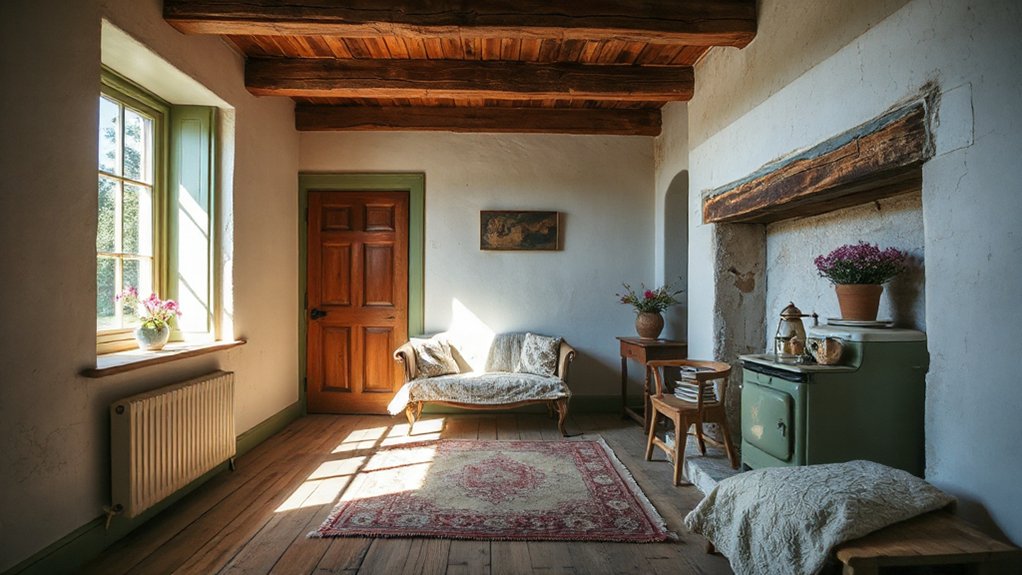
You establish routines for ongoing care that protect original materials while preserving character. Think of timeless styling touches—natural textures, muted palettes, and wear that tells a story—that you refresh with purpose, not trend.
Ongoing Care Rituals
Orchestrating ongoing care means setting a simple rhythm that preserves character while keeping the cottage functional. You’ll keep authenticity by routines that blend practicality with a gentle touch, avoiding overhauls.
1) Perform Seasonal cleaning on surfaces, woodwork, and textiles to prevent grime buildup and preserve patina.
2) Schedule Plant care checks—watering, lighting, and soil refreshes—to sustain living accents without crowding spaces.
3) Maintain hardware and finishes with light oils and waxes to protect while allowing aging to show.
4) Tidy and reassess displays monthly, swapping pieces as seasons shift to honor the cottage’s evolving story.
These steps create a steady cadence, reinforcing charm while supporting everyday use, so the home remains livable, soulful, and true to its origins.
Timeless Styling Touches
Start with vintage textiles; choose patterns and colors that echo early interiors, then balance them with solid, durable fabrics for everyday wear. Rotate covers seasonally to protect original upholstery and reduce cleaning fuss.
For rustic lighting, mix period-appropriate fixtures with energy-efficient bulbs, ensuring warm glow while preserving character. Replace harsh fluorescents with shaded sconces or pendant lights that cast soft shadows, highlighting woodwork and handcrafted details.
Keep surfaces clear of clutter to spotlight preserved millwork. Repair rather than replace, document repairs for future caretakers, and maintain authentic patina by cleaning gently and avoiding over-polishing.
Consistency in these touches preserves charm while supporting current comfort.
Frequently Asked Questions
How to Balance Modern Tech Discreetly in a Cottage?
You balance modern tech discreetly by smart integration, hiding components behind panels and in existing walls, while maintaining charm; guarantee hidden wiring stays accessible for upgrades, uses low-profile devices, and preserves the cottage’s textures, lines, and character.
What Small Changes Most Uplift Curb Appeal?
Small changes uplift curb appeal: add a Cottage garden edge, tidy path, fresh paint trim, and low-slung porch lighting. Highlight Interior accents with contrasting hardware. You’ll create charm that’s practical, preservation-minded, and welcoming for neighbors and guests.
Which Preservation Risks Come With DIY Projects?
Astonishingly, DIY can release restoration challenges if you rush. You confront preservation ethics: document changes, avoid irreversible alterations, and consult mentors. You assess materials, gaps, and methods, preserving charm while you navigate delicate restoration challenges with mindful, practical steps.
How to Source Truly Period-Appropriate Hardware Locally?
You source truly period-appropriate hardware locally by visiting restoration techniques shops, antique fairs, and local blacksmiths, verifying provenance, and matching patina. Use restoration techniques to adapt pieces without altering character, and document antique sourcing for future preservation.
How to Plan a Phased Renovation Timeline Effectively?
Start by estimating a restoration timeline with a 60/40 rule: 60% planning, 40% execution. You’ll map renovation phases, set milestones, coordinate trades, and build buffers to keep your cottage authentic while progressing thoughtfully and steadily.
Conclusion
You’ll prove you can modernize without erasing the soul—how quaint. Sure, you’ll swap a tired boiler for efficiency, but you’ll guard the original mouldings like a dragon clutching a keepsake. You’ll fix instead of replace, polish patina instead of pretending it’s new, and pretend the floor plan is a living maze rather than a blueprint to a new era. In the end, your cottage won’t scream “renovated” so much as softly murmur, “home,” with stubborn, charming clarity. Irony duly noted.