
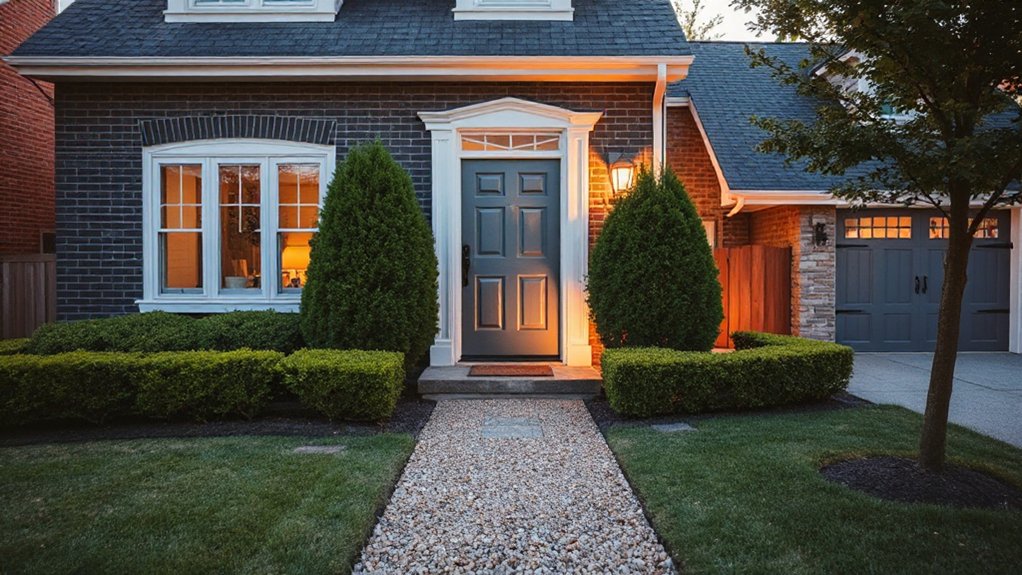

To boost kerb appeal on your detached home, start with a clear plan for budget and timeline, then choose durable exterior materials and a cohesive color story that ties in textures like stucco, stone, or timber. Pair this with thoughtful lighting and hardware, low-maintenance landscaping, and durable pathways to create a welcoming enterance. The right combination will transform curb appeal while staying practical, but the key details you select will define the result you’ll notice first.
Prioritize Exterior Upgrades: Plan Budget and Timeline
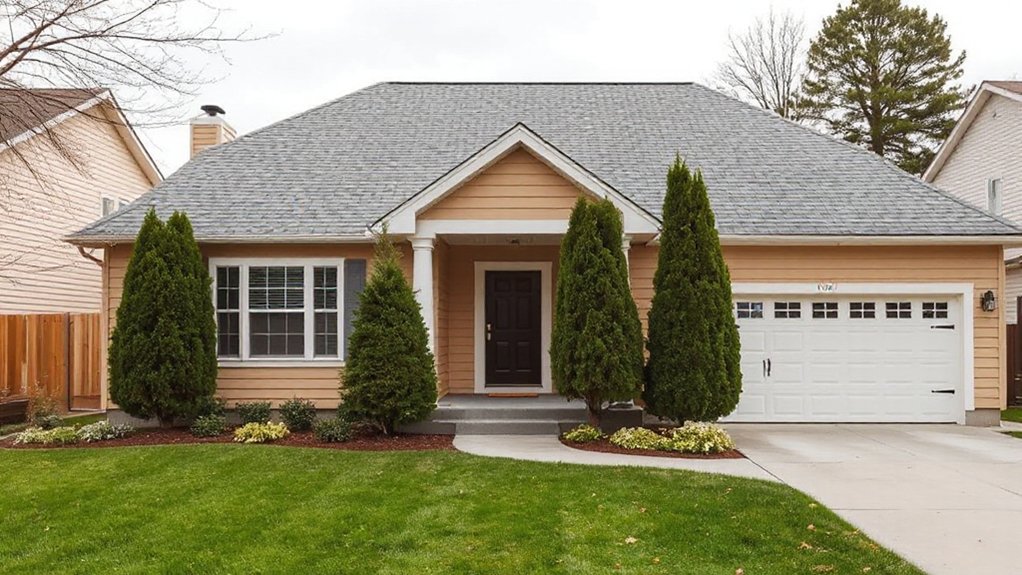
To boost curb appeal, start with a clear plan for exterior upgrades by prioritizing where to spend and when. You’ll begin with Budget planning, outlining costs for essential improvements versus nice-to-have tweaks, and set a realistic cap you won’t exceed.
Next, map Timeline scheduling, sequencing tasks to minimize disruption and weather risk, while aligning dates with contractor availability.
Identify high-impact upgrades that deliver visible impact: entryway updates, lighting, landscaping, and maintenance fixes that protect the structure.
Create a phased approach so early tasks build momentum and confidence for later work.
Track progress with milestones, adjust if prices shift, and document decisions in a simple plan you can revisit.
This disciplined approach keeps you focused, cost-conscious, and on track toward a coherent exterior refresh.
Durable Exterior Paint: Color, Finish, and Weatherproofing
Durable exterior paint sets the tone for your home’s curb appeal and long-term protection, so choosing the right color, finish, and weatherproofing matters just as much as the plan you laid out for upgrades. You’ll want color trends that suit architectural form and neighborhood context, not just personal favorites.
Select a base hue with enough contrast to define massing while staying cohesive with surrounding homes. For finish options, matte hides imperfections, satin balances durability and washability, and semi-gloss emphasizes trims and doors.
Weatherproofing matters more than aesthetics alone: use a breathable, elastomeric or high-quality acrylic topcoat, and apply proper priming for adhesion and longevity. Test samples in daylight, and consider UV resistance to keep color stability over time.
Lighting and Hardware That Make a Great First Impression
Strategically chosen lighting and hardware do more than illuminate; they frame your home’s architecture and guide the eye to key features. With a practical approach, you select lighting that highlights paths, entries, and textures, while hardware accents add personality without overpowering the façade.
Opt for warm, consistent color temperatures to keep curb appeal cohesive. Prioritize scale and proportion so sconces and door hardware feel integrated rather than pasted on.
Consider garden lighting to softly illuminate approaches and cast welcoming shadows. Use durable materials and weatherproof finishes to guarantee longevity.
Focus on cohesion: matching metals, clean lines, and understated elegance.
1) Align lamp styles with door hardware
2) Choose landscape lighting that edges walkways
3) Integrate garden lighting for curb drama
4) Select hardware accents that echo architectural details
Low-Maintenance Landscaping for Curb Appeal
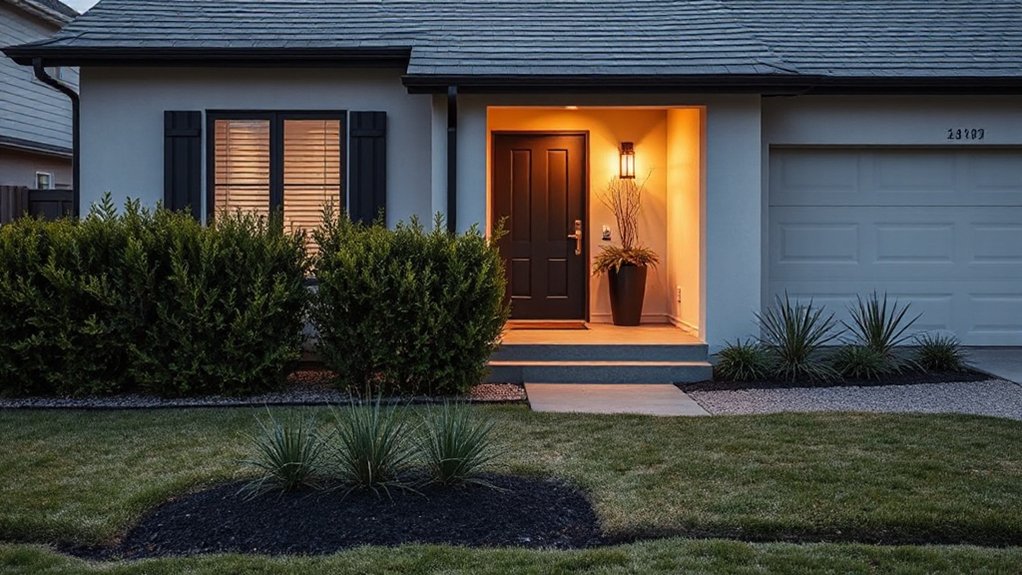
To keep curb appeal high with minimal effort, prioritize drought-resistant groundcovers that spread evenly and reduce bare patches.
Pair these with simple, low-budget watering techniques like drip irrigation or smart timers to minimize waste.
This approach supports a durable, design-minded landscape that stays vibrant with less maintenance.
Drought-Resistant Groundcover
Drought-resistant groundcovers offer a practical, low-maintenance foundation for curb appeal, delivering color, texture, and seasonal interest with minimal water and upkeep. You’ll choose xeriscape planting options that thrive in dry conditions, reducing irrigation needs while still framing your home elegantly. Focus on drought tolerant species that form dense mats, suppress weeds, and withstand heat.
- Sedum and Delosperma combos create rock-solid color across seasons.
- Liriope and blue fescue bring vertical and airy texture with evergreen structure.
- Clover mixes offer nitrogen benefits and soft, carpet-like ground cover.
- Sage, thyme, and creeping rosemary provide fragrance and drought resilience without crowding.
Plan soil prep, sun exposure, and spacing for steady coverage, with low-maintenance beauty that ages gracefully.
Low-Mudget Watering Techniques
Now that you’ve set up drought-resistant groundcover, you can keep curb appeal high while trimming water use with low-budget, low-maintenance watering techniques.
Start with drip irrigation zoning to target plant groups, reducing runoff and evaporation.
Use mulch to slow evaporation and stabilize soil temperatures, then pair it with a simple timer to enforce consistent cycles.
For watering efficiency, prioritize deep, infrequent soakings rather than frequent shallow sprays—this trains roots to reach deeper, improving resilience.
Collect rainwater in a barrel for supplemental taps during dry spells, and align irrigation with local schedules to maximize efficiency.
Group plants by sun exposure to tailor schedules, minimizing excess.
Monitor soil moisture weekly and adjust as needed to sustain vibrant, low-cost garden hydration.
Driveways and Pathways: Durable, Welcoming Surfaces
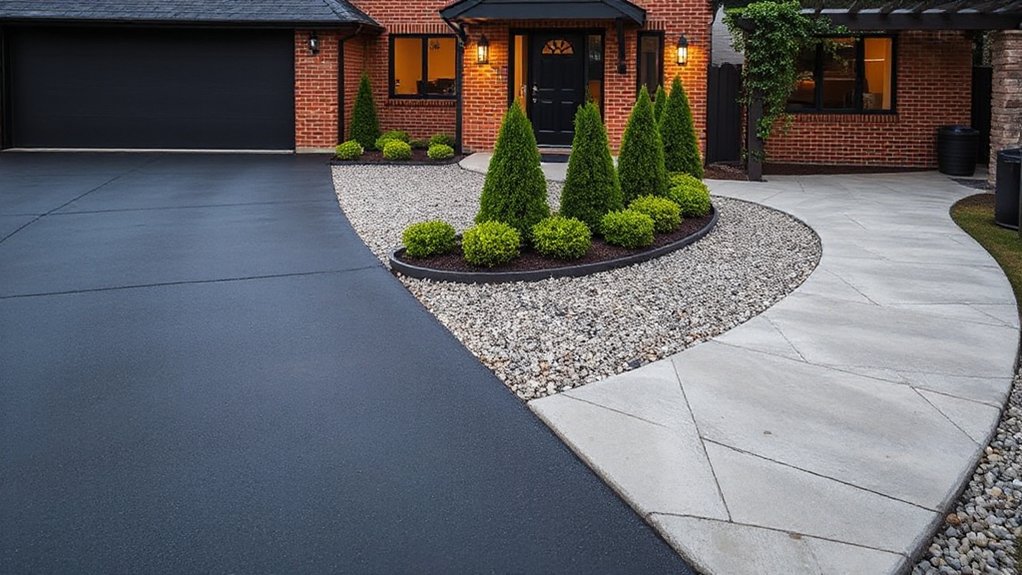
Driveways and pathways set the first impression of your home’s exterior, so choose durable materials and thoughtful layouts that invite you in. You’ll balance function with curb appeal, selecting textures that hide wear and weather well while guiding visitors to your entry.
- Pick permeable pavers or compacted gravel for longevity, easy maintenance, and rainwater compatibility.
- Use edging to define spaces, reduce drift, and create clean movement from driveway to sidewalk.
- Integrate lighting and subtle contrast in tone to boost safety and ambiance after dark.
- Add garden sculptures or outdoor furniture at focal points to create inviting vignettes without clutter.
Create a Cohesive Exterior Plan: Materials, Details, and Maintenance
When you map your exterior, start with materials that align in texture, color, and durability to prevent mismatches down the line.
Consider detailing that reinforces your chosen materials and adds curb appeal, from junctions to trim to lighting, so every edge feels intentional.
Finally, lay out a maintenance roadmap that prioritizes routine care and proactive fixes to keep the plan cohesive long-term.
Material Selection Guidelines
Choosing materials that harmonize with your home’s architecture and site conditions is essential for a cohesive exterior plan. You’ll select textures, colors, and forms that read as a single composition while meeting durability and maintenance realities.
Prioritize joints, overlaps, and detailing that reduce weathering gaps and water intrusion, and balance weight and proportion to avoid visual clutter. Consider energy-efficient windows and sustainable roofing as anchors for long-term performance.
Plan for yearly upkeep and seasonal checks to preserve appearance and value.
- Align material families with your home’s character (brick, wood, stone, metal) for a unified look.
- Prioritize low-maintenance options with proven warranties and local climate suitability.
- Balance color palettes to enhance contrast without overpowering the façade.
- Guarantee installations follow manufacturer guidelines and local building codes for energy and durability benefits.
Detailing for Curb Appeal
Now that you’ve lined up compatible materials, you’ll give your exterior a cohesive look through detailing that ties the whole plan together. Detailing isn’t ornament for ornament’s sake; it’s a unifier. Choose consistent reveals, edge treatments, and corner details that echo your primary materials.
Use garden pathways to guide circulation and balance; weave in edging that mirrors your siding, roofline, or trim to reinforce unity. Exterior decor should be purposeful, not cluttered—select a restrained palette of hardware, lighting, and accents that repeat across doors, shutters, and path lamps.
Consider texture variation—mixing smooth stucco with natural stone or timber cladding—to emphasize depth without breaking harmony. Finally, document maintenance routines for joints, seals, and finishes to preserve the cohesive, enduring curb appeal you designed.
Maintenance Roadmap Essentials
A cohesive exterior plan hinges on a practical maintenance roadmap that aligns with your materials, detailing, and ongoing care. You’ll create consistency across textures, colors, and performance while anticipating seasonal needs and potential failures. By mapping routine tasks to each element, you protect curb appeal and value, not just aesthetics.
Prioritize garden integration to guarantee plantings complement structures without overgrowth, and plan security enhancements that deter intruders while preserving sightlines. This approach reduces guesswork and extends life through proactive care.
- Define alignment of materials, finishes, and detailing across facade, roof, and landscape.
- Schedule seasonal checks for coatings, seals, gutters, and flashing; address early wear.
- Integrate garden elements with hardscape for year‑round visual cohesion.
- Establish a maintenance calendar with milestones and security reviews.
Frequently Asked Questions
How Often Should Exterior Paint Be Refreshed for a Detached Home?
Exterior color trends suggest invigorating every 7–10 years, depending on climate and wear. You should inspect for peeling or fading annually; prioritize paint durability and upkeep. This keeps your curb appeal sharp while you confidently plan updates.
Which Gutter Materials Offer Best Long-Term Curb Appeal?
You’ll want gutter materials with best long-term curb appeal: choose seamless aluminum or steel, noted for material durability and clean lines. Gutter styles should complement lines of your home, resist corrosion, and retain color with low maintenance.
What Roof Upgrades Maximize Kerb Appeal on a Budget?
Curb appeal blooms when you upgrade with affordable roof accents and tidy lines, then add landscape lighting and driveway enhancements. You’ll boost perceived value, maximize impact, and enjoy crisp, durable results that look polished from street to skylight.
How Can Seasonal Lighting Enhance Nighttime Curb Appeal?
Seasonal lighting enhances nighttime curb appeal by creating festive illumination and guiding visitors. You should layer pathway lighting with warm, glare-free fixtures, accent entry features, and subtle color accents to improve safety, mood, and perceived value.
What Maintenance Schedule Preserves Outdoor Fixtures’ Longevity?
A reliable maintenance theory says consistency beats bursts; you should inspect landscape lighting and exterior cleaning quarterly, adjusting schedules after weather events. You’ll extend longevity by trimming, sealing, cleaning fixtures, and replacing worn components promptly for ideal performance.
Conclusion
As you implement these upgrades, you’ll start to sense the house whispering its true potential. Each choice—color, texture, lighting, and lawn—threads together into a cohesive story you’ll live with. The timeline tightens, budgets tighten, but the payoff grows louder with every detail refined. When the final piece falls into place, you’ll stand at the curb, knowing you’ve revealed lasting curb appeal that’s both practical and quietly, irresistibly elevated. The payoff? A home that won’t stop impressing.