


You’re aiming for a fast, profitable rental, so start with safety and basics: fresh paint, functional plumbing and electrical, detectors and extinguishers up to code, and a clean, neutral layout that widens space. Set a precise budget, prioritize curb appeal on a tight dime, and plan photos or a virtual tour that shows true value. Nail the move-in timeline, then keep momentum with a clear turnover checklist—the next steps are where outcomes happen.
What Renters Want in a Ready-to-Rent Apartment
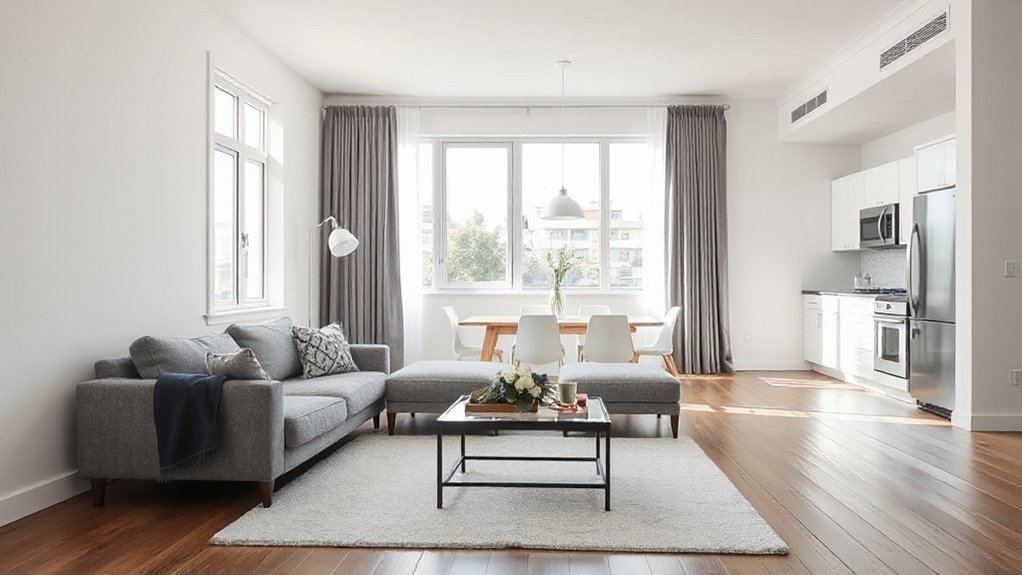
When renters search for a ready-to-rent apartment, they want a space that’s move-in ready and free of hassles. You’ll prioritize clarity and reliability, so you present a unit with obvious upkeep, clean lines, and functional systems.
Highlight responsive maintenance, clean appliances, adequate storage, and ample natural light. Emphasize safety features, updated fixtures, and a well-maintained exterior.
In conversations, mention tenant screening and lease agreement specifics plainly, so applicants know what to expect and can move quickly. Provide documentation that demonstrates compliance, like up-to-date inspections and clear utility access.
A transparent process reduces back-and-forth and speeds approvals. Your goal is to project a smooth residence experience, where predictable rules, documented procedures, and prompt communication support a confident, long-term tenancy.
Set a Realistic Prep Budget for Your Unit
Setting a realistic prep budget starts with a clear target for what you want to achieve and a practical plan to get there. You’ll map costs against your rental goals, then adjust as needed to hit your target yields without overinvesting. Start with a baseline, then estimate where spending moves the needle most.
- Budget planning: allocate funds by impact (storage, lighting, fresh paint) and sequence improvements to minimize disruption.
- Cost estimation: gather quotes, compare suppliers, and track unit-level costs to stay within forecast.
- Contingency: set aside a small cushion for surprises so you don’t derail your plan.
- ROI focus: prioritize upgrades that raise rentability and appeal, not just aesthetics.
This approach keeps you practical, precise, and ready to present a compelling rental-ready unit.
Prioritize Essential Safety and Compliance Repairs
Repairs that affect safety and compliance should come before anything that improves aesthetics or returns. When you inspect, start with critical systems: electrical panels, exposed wiring, gas lines, and carbon monoxide detectors.
Address any safety hazards first, then verify that all smoke alarms and fire extinguishers are functional.
Check stairs, handrails, and flooring for trip hazards, repairing loose boards or gaps to prevent accidents.
Review plumbing for leaks, which can cause mold and water damage and violate safety guidelines.
Guarantee compliance standards are met for accessibility, lighting levels, and egress routes.
Confirm permits where required, and document fixes for future tenants.
Refresh Curb Appeal on a Tight Budget

You can boost curb appeal on a tight budget by focusing on the exterior facade: clean surfaces, fresh paint touch-ups, and sturdy doors that invite prospective renters in.
Spruce up landscaping with low-cost, high-impact fixes like edging beds, mulching, and a few hardy, drought-tolerant plants to create color and structure.
Prioritize practical details that make the first impression feel cared for, from mailbox and signage to a welcoming path and clear lighting.
Refresh Exterior Facade
A fresh exterior often hinges on a few targeted touch-ups that make a big impression, even on a tight budget. You’ll pursue Facade enhancement by focusing on color, materials, and clean lines that read as cared-for.
Begin with Exterior cleaning to reveal true surfaces, then patch noticeable flaws.
- Power wash siding, brick, and trim to remove years of grime
- Touch up peeling paint and mismatched caulk for a cohesive look
- Replace worn hardware (mailboxes, house numbers) with quick, durable options
- Seal gaps and tidy entryway lighting to boost nighttime curb appeal
Aim for a uniform finish, minimal repairs, and durable colors that resist fading. This lean approach sets a confident tone for prospective renters without overinvesting.
Spruce Up Landscaping
Transforming curb appeal on a tight budget starts with simple, high-impact greenery and clean edges that invite a closer look. You’ll plan around your entry and sightlines, choosing low-maintenance elements that pay off quickly.
Start with a compact, repeated plant palette to reinforce cohesion; this simplifies landscaping design and keeps costs predictable. Prioritize evergreen structure in the front yard, then layer seasonal color with affordable perennials or seasonal flowers.
Edge walkways with crisp borders to create a polished, professional feel. Container planting near the door adds immediate impact without major yard disruption.
When selecting plant materials, consider sun exposure, irrigation needs, and mature size to prevent future crowding. Keep irrigation lean, mulch weed-free beds, and schedule a quick cleanup monthly to preserve the fresh, welcoming look.
Optimize Layout to Maximize Space and Flow
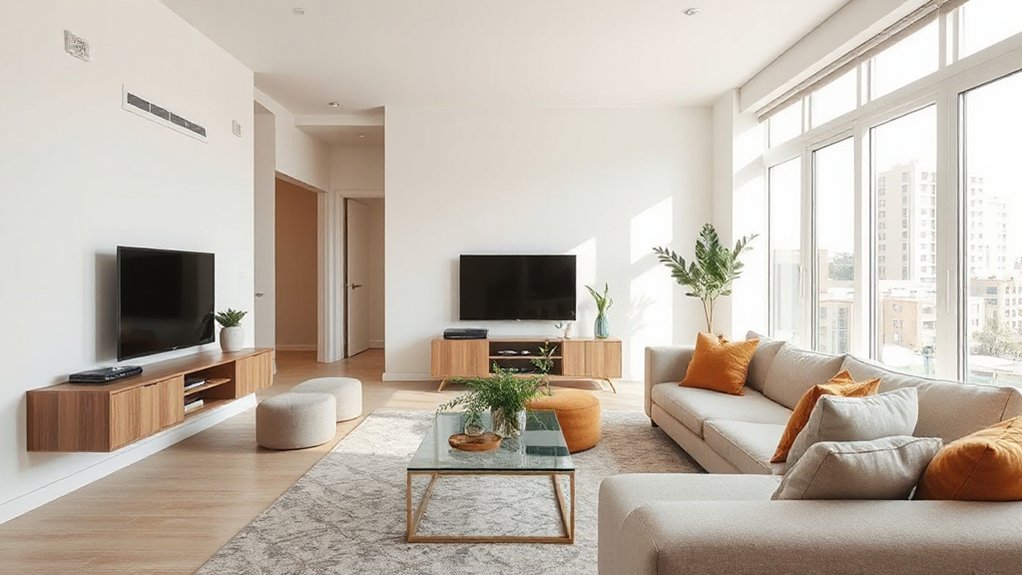
To optimize traffic flow, position major pathways so you can move smoothly from room to room without obstacles. Use furniture placement and scale to visually expand spaces, creating clear sightlines and a sense of openness.
Prioritize layout choices that support flexible use and effortless navigation, so every area feels bigger and more livable.
Optimize Traffic Flow
When you optimize traffic flow, start by mapping how residents move through each space and identifying bottlenecks that slow foot traffic or trap furniture. You’ll refine the apartment layout to prioritize clear pathways, natural sightlines, and accessible entry points, ensuring every room supports smooth progressions between zones.
Focus on entry, living, kitchen, and bath corridors to minimize detours and improve safety. Use logical furniture pins, avoid oversized clutter corners, and maintain at least 2.0–2.4 meters of open width in main passages.
- Reposition sofas and tables to create uninterrupted routes
- Align doorways with primary traffic directions
- Zone traffic with rug boundaries that guide movement
- Keep verticals and cords tucked to reduce trips
This approach yields crisp traffic flow and a practical, market-ready apartment layout.
Maximize Visual Space
Choose a cohesive color palette—soft neutrals with one bolder accent—so furnishings read as a unified plan. Opt for multi-functional pieces: a storage ottoman, a sofa bed, wall-mounted desks.
Arrange seating to promote clear sightlines and easy traffic flow, avoiding clutter at the core of each room. Use vertical storage to free floor space and create breathing room.
Add decorative accents as focal points without overcrowding surfaces. Integrate smart storage solutions—under-bed bins, hanging organizers, and wall shelves—to keep essential items out of sight.
This disciplined approach enhances perceived space while preserving everyday usability.
Boost Natural Light and Reduce Clutter
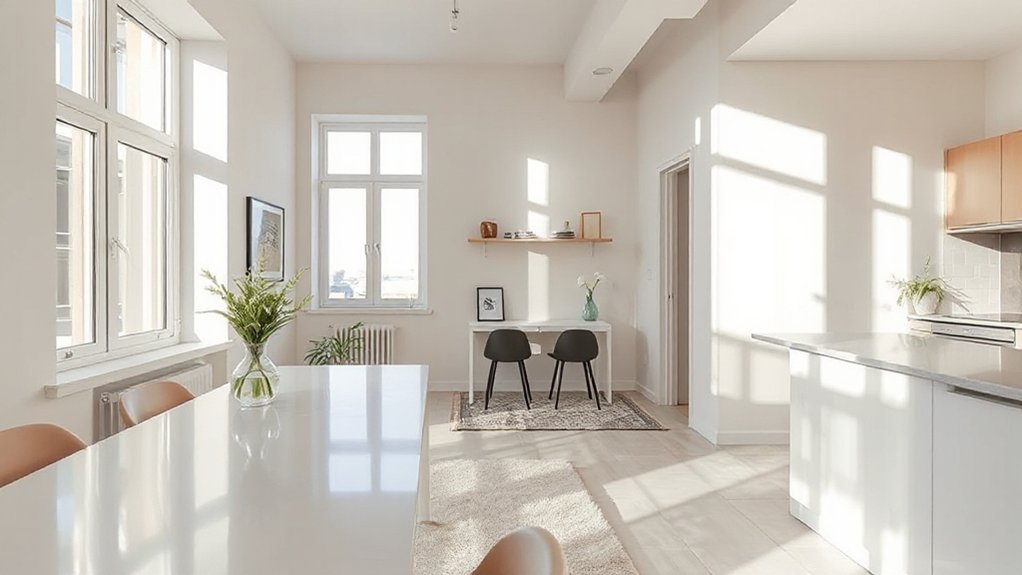
Brighten the space by letting in as much natural light as possible and banishing clutter that hides the room’s true scope. You’ll create a brighter, more inviting feel that helps buyers see each area clearly and envision living there.
- Maximize window exposure with clean panes and unobstructed curtains
- Swap heavy drapes for light sheers or none, enhancing natural light
- Tidy surfaces to reduce visual noise and emphasize room proportions
- Consolidate belongings into smart storage to support clutter reduction
Think in terms of flow: place mirrors opposite windows to reflect light, and choose a neutral palette that amplifies brightness.
This practical approach boosts perceived space, improves mood, and highlights function—without expensive fixes.
Update Finishes With Cost-Efficient Upgrades
Fresh paint and updated hardware can transform a unit without breaking the budget. You’ll gain fresh appeal with clean, neutral tones and durable finishes that handle rental wear, plus affordable hardware upgrades that feel modern and sturdy. Start with a cost plan that prioritizes high-visibility rooms and easy-to-clean surfaces to maximize rental appeal.
Fresh Paint Appeal
So, what’s the fastest way to boost a rental’s appeal without breaking the bank? Fresh paint sets the stage, while vibrant accents guide the eye toward key features. You’ll choose neutral walls for broad appeal, then add color pops that feel fresh and modern.
Focus on clean lines, smooth surfaces, and minimal odor for immediate move-in readiness.
- Pick durable, low-VOC paints in light tones
- Use one accent wall per room to control intensity
- Refresh trim and doors with bright-white or soft gray
- Add affordable, color-coordinated accessories to pull rooms together
With this approach, you create a welcoming, versatile canvas that helps tenants picture themselves living there. Fresh paint, vibrant accents, and a thoughtful palette translate to higher inquiries and faster lease signings.
Hardware Upgrades On Budget
Even on a tight budget, you can dramatically update a space by upgrading hardware that tenants touch daily. Start with doors and kitchen drawers, selecting satin nickel or matte black to create a cohesive look without a full remodel. Replace existing knobs and pulls with options that have clean lines and robust hardware, ensuring easy installation with basic tools.
For budget-friendly upgrades, focus on high-traffic areas: entry sets, cabinet handles, and switch plates. Consider low-cost, durable options like powder-coated metal or plated finishes that resist fingerprints.
Don’t overlook lighting hardware; modern switches and dimmer plates can subtly shift ambiance. Label replacement parts for consistency, and reuse existing mounting points where possible to minimize labor.
These hardware upgrades elevate perceived quality while preserving budget.
Fix Habitability Issues That Impact Livability
If you want a rental to attract reliable tenants, start by fixing habitability issues that affect livability. You’ll tackle problems that drive complaints and vacancy, aligning with Habitat preservation and Habitability standards.
Prioritize safe wiring, functional plumbing, and solid heating or cooling to maintain comfort year-round. Address moisture, mold risks, and ventilation to protect indoor air quality.
Repair doors, windows, and locks for security and energy efficiency, and ensure smoke and carbon monoxide detectors are current. Document fixes for transparency and marketing credibility.
- Prioritize safety-first fixes that directly impact livability
- Verify systems meet local Habitability standards with receipts
- Improve moisture control and ventilation to deter mold
- Communicate completed improvements clearly to prospects
Deep-Clean for a Showroom-Ready Space
A showroom-ready space starts with a deep, systematic clean that reveals the apartment’s best features and removes every hint of wear. You’ll start with a top-down plan, tackling high-traffic surfaces first, then hidden corners where dust hides. Use a microfiber approach to trap dirt, and work in small sections for consistency.
Deep clean techniques mean scrubbing grout, revitalizing fixtures, and polishing hardware until they reflect light without streaks. Move methodically from kitchen to bath, then living areas, documenting progress as you go.
For stain removal methods, treat spills immediately with appropriate agents, testing first on inconspicuous spots. Check ceilings, switches, and molding for fingerprints and grime, restoring brightness with equal attention.
Finally, verify that every surface feels clean, cohesive, and showroom-ready for curious tenants.
Stage Each Room to Help Tenants Imagine Living There

You stage each room with purpose, highlighting how the space supports daily routines and moments that matter to tenants.
Visualize living there by setting furniture layouts and focal points per room to convey flow, scale, and comfort.
This approach translates your space into tangible scenarios, helping readers picture themselves making it home.
Stage Per Room Insight
Stage each room to help tenants imagine living there by focusing on practical cues that reveal flow, function, and potential. You assess how traffic moves, where natural light lands, and how outlets align with common activities. Highlight where furniture supports conversation, work, and rest, while noting dimensions that constrain or enable certain layouts. Your goal is to reveal intention behind every space, guiding decisions without heavy decoration.
- Room decoration should emphasize function over style, showing how textures support daily use.
- Furniture arrangement demonstrates clear sightlines, seating groupings, and accessible pathways.
- Storage potential is showcased through built-in nooks and closet flow.
- Transitional spaces are paced to connect rooms, shaping rhythm and usability.
Visualize Living Space
Visualizing each living space starts with a clear, practical map of how you’ll move, sit, and store. You’ll outline traffic flow, then place essential furniture to create natural, distinct zones.
Prioritize a welcoming entry, a comfortable seating area, and a functional work nook that doesn’t crowd the view. Measure doorways and windows so each piece fits without blocking light or airflow, preserving visual appeal.
Use scale-accurate, versatile furniture to adapt to different tenants’ needs. Keep color, texture, and finishes cohesive to enhance the overall living space without overwhelming it.
Stage with purposeful decor: a rug anchors seating, a single plant adds life, and lighting highlights focal points. Clear surfaces reduce clutter, making the space feel larger and more livable.
Photograph-Ready Tactics: Lighting, Angles, and Staging
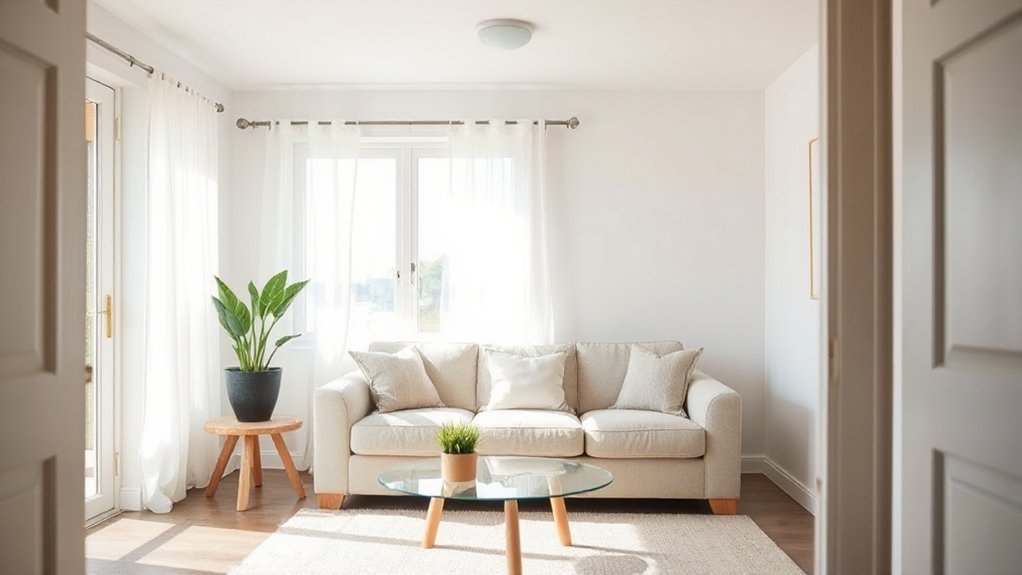
To make every room look inviting in photos, start with clean lighting and a clear focal point, then frame each shot to emphasize space and flow. You’ll reveal true scale by shooting from eye level and using wide angles sparingly, avoiding clutter in every frame.
Implement staging that feels lived-in yet pristine, with quiet color kernels that support interior decor and appliance upgrades as subtle accents rather than star attractions.
- Boost daylight with sheer curtains and lamps at 3/4 height for depth
- Angle corners and doorways to guide the eye toward the main feature
- Remove personal clutter; set a single, tasteful prop per room
- Highlight polished surfaces and organized countertops for a clean impression
Create an Appealing, Compliant Rental Listing
Creating an appealing, compliant rental listing means balancing attractively accurate detail with clear legal safeguards, so you attract qualified tenants and avoid disputes. You’ll craft a crisp synopsis of space, amenities, and neighborhood perks, then verify every claim against your lease terms and local rules.
List up-to-date basics: unit size, room counts, rent, deposits, and parking, plus pet friendliness policy. Include high-level utility details, move-in dates, and showing hours, but avoid overpromising on features you can’t guarantee.
Use precise language and measurements, and attach the Lease agreement or a link to digital copies to manage expectations. Clarify screening criteria, application steps, and renewal options.
Acknowledge accessibility features where applicable, and present a transparent process to build trust from the start. Clear, factual presentation reduces misunderstandings and speeds qualified applications.
Highlight Safety Features and Compliance Details
You’ll start by listing Safety Compliance Must-Haves and how they protect tenants day to day.
I’ll walk you through practical Maintenance and Verification Checks so nothing slips through the cracks.
This sets a clear, vision-driven baseline for safety that guides every rental decision.
Safety Compliance Must-Haves
Safety compliance isn’t optional—it’s the backbone of a rental that attracts reliable tenants and passes inspections without a hitch. You’ll lock in success by aligning with fire safety standards and legal compliance from day one, minimizing risk and delays.
- Install working smoke and carbon monoxide detectors on every level
- Make sure labeled extinguishers are accessible and serviced annually
- Validate electrical panels, outlets, and GFCIs meet code requirements
- Post clear safety notices and keep records for audits
Maintenance and Verification Checks
Now that safety basics are in place, you’ll implement maintenance and verification checks that keep systems reliable and compliant. You’ll schedule regular inspections for electrical panels, smoke detectors, and carbon monoxide sensors, verifying functionality, labeling, and battery status.
Test plumbing for leaks and backflow prevention, and confirm water heater settings align with efficiency goals. Create a checklist for HVAC filters, duct cleanliness, and thermostat accuracy to sustain comfort and energy savings.
For compliance, confirm permits and recent inspections are documented, and verify exit routes, emergency lighting, and fire extinguishers meet code.
Integrate tenant screening and Lease agreements into onboarding to set expectations and responsibilities. Document findings, assign corrective deadlines, and track remediation progress to protect habitability and investment.
Price for Speed and Value: Smart Rent-Setting
Price for speed and value in smart rent-setting means you’ll set a rent that attracts qualified tenants quickly while maximizing your long-term profits. You’ll balance occupancy goals with profit margins, using data to guide adjustments and protect value perception. Align price strategy with market signals, unit features, and neighborhood demand. Stay agile, testing small changes before bigger moves.
- Benchmark against comparable properties to stay competitive
- Ladder increases aligned with lease cycles and seasonality
- Highlight value through incentives that don’t erode perceived worth
- Monitor vacancy duration and tenant quality to refine pricing
Keep processes transparent: document rationale, track metrics, and adjust promptly. Your vision: steady occupancy, stable cash flow, and a reputation for fair, accurate pricing.
Use Photos and Virtual Tours to Attract Applicants

High-quality photos and immersive virtual tours grab attention fast and set accurate expectations for prospective tenants. You’ll showcase every relevant space with bright lighting, wide-angle shots, and a logical sequence that mirrors floor plans.
Include dimensions, storage details, and notable updates to prevent unnecessary inquiries. Use captions to highlight features that matter for tenant screening, like security measures, neighborhoods, and parking options.
A short, well-edited video tour can complement stills, guiding applicants through flow and function.
When you present the listing, integrate a clear call to action that directs viewers to the application process and required documents. Mention lease agreements upfront so applicants understand expectations, and provide links to downloadable forms.
Confirm accessibility with alt text and captions for all media.
Plan a Move-In Ready Timeline
Create a move-in–ready timeline that aligns with clean turnover and fast occupancy: list all prep steps from today through the first resident day, assign owners, set concrete deadlines, and build in buffer time for inspections, repairs, and approvals. You’ll map milestones around tenant screening and lease negotiations to prevent delays, then lock in a day-by-day schedule. Communicate ownership clearly, track progress, and adjust as needed to maintain momentum.
Prioritize urgent tasks first, like cleaning, safety checks, and key replacement, then tackle cosmetic updates. Establish quick escalation paths for blockers and confirm approvals in advance.
- Initiate tenant screening and document collection with clear deadlines
- Schedule lease negotiations and draft terms for rapid approval
- Complete inspections and repairs within agreed buffers
- Verify move-in readiness and confirm resident onboarding readiness
Create a Turnover Maintenance Plan
A Turnover Maintenance Plan maps every required fix, check, and upgrade from today through move-in, so you can hit the ground running. You’ll itemize tasks by system: mechanical, electrical, plumbing, safety, and cosmetic.
Schedule seasonal checks first, then tighten gaps with a clear calendar and owner-approved budget. Include a defined scope for apartment decor upgrades that maximize appeal without overspending; note color schemes, finish levels, and durable materials that align with market expectations.
Build a tenant screening-ready checklist to verify security, repairs, and compliance before new occupants arrive.
Create standardized vendor contacts, response times, and warranty notes to ensure consistency.
Review the plan weekly, adjust priorities, and document outcomes to measure turnover speed, cost, and resident satisfaction. This keeps turnover predictable and market-ready.
Common Mistakes to Avoid in Rental Prep

Common mistakes can derail a rental prep plan fast, so spotting them early keeps you on track. You’ll avoid extra costs and delays by staying focused on fundamentals like tenant screening and lease agreements, not cosmetic fluff. Plan a clear timeline, and don’t skip baseline inspections or accurate pricing. Create checklists that hold you accountable, and review them weekly to stay aligned with your vision.
- Rushing renovations without a cost/benefit check, leading to wasted budget
- Skipping thorough tenant screening, risking problematic occupants
- Vague or missing lease agreements, inviting disputes
- Underestimating move-in readiness and staging, reducing perceived value
Stay precise: document decisions, deadlines, and approved scopes. Use objective criteria for applicants, and guarantee leases reflect negotiated terms to protect you and your property.
Tools, Vendors, and Resources to Streamline Turnover
To streamline turnover, leverage a curated set of tools, trusted vendors, and ready-to-use resources that align with your lease timeline and budget, so you can move from turnover to occupancy faster.
Start with a concise Tools overview to map required tasks, deadlines, and costs, then pair each task with dependable resources.
Prioritize Vendor selection by evaluating bids, warranties, and service levels, and document expectations in a standard agreement.
Use project-management templates to track progress and keep vendors accountable.
Tap digital checklists for inspections, cleaning, and repairs to reduce rework.
Source rentable furnishings and décor from vendors with return policies aligned to lease cycles.
Finally, maintain a rotating resource list for quick replacements, ensuring your turnover cadence stays predictable and scalable.
Frequently Asked Questions
How Long Does a Typical Turnover Prep Take?
A typical turnover prep takes about 3–7 days, depending on unit size and condition. You’ll refresh apartment decor, update fixtures, and add pet friendly features while coordinating cleaners, painters, and inspectors to stay on schedule.
Which Safety Upgrades Have Immediate Tenant Impact?
Securing tenants starts with practical upgrades: install security cameras and guarantee smoke detectors work, then test them monthly. You’ll deter incidents and protect lives, documenting maintenance, so you’ll attract reliable renters who value safety and clarity.
What Is a Baseline Maintenance Checklist for Turnover?
Yes—your baseline maintenance checklist for turnover includes checking smoke detectors, inspecting HVAC filters, testing lights, tightening fixtures, sealing leaks, cleaning appliances, repainting touched areas, and replenishing supplies; make sure decorative accents are intact and pest control is addressed.
How Should I Prioritize Budget Across Rooms?
Like a lighthouse guiding ships, you prioritize budget across rooms by necessity first. You’ll allocate to high-impact areas—kitchen, baths, living spaces—then allocate for Interior staging, adjusting Budget allocation as you stage and refresh thoughtfully.
Can Tenants Negotiate Move-In Timelines With Landlords?
Yes, you can negotiate move-in timelines with landlords. In your lease agreement, request move-in flexibility, propose concrete dates, and document agreed terms. Stay practical, record all changes, and keep communications clear to avoid misunderstandings.
Conclusion
You’ve lined up safety, style, and speed in one clean sprint, and you feel the coincidence—the missing keys align: a rental that’s safe, affordable, and appealing lands in just weeks. You’ll rent faster, with fewer callbacks, and your turnover plan proves it’s more than theory. Each detail—from fresh paint to smart furniture—meets real tenants’ needs. Trust the process, stay vigilant, and watch the curb appeal turn into signed leases and smooth, on-time move-ins.