
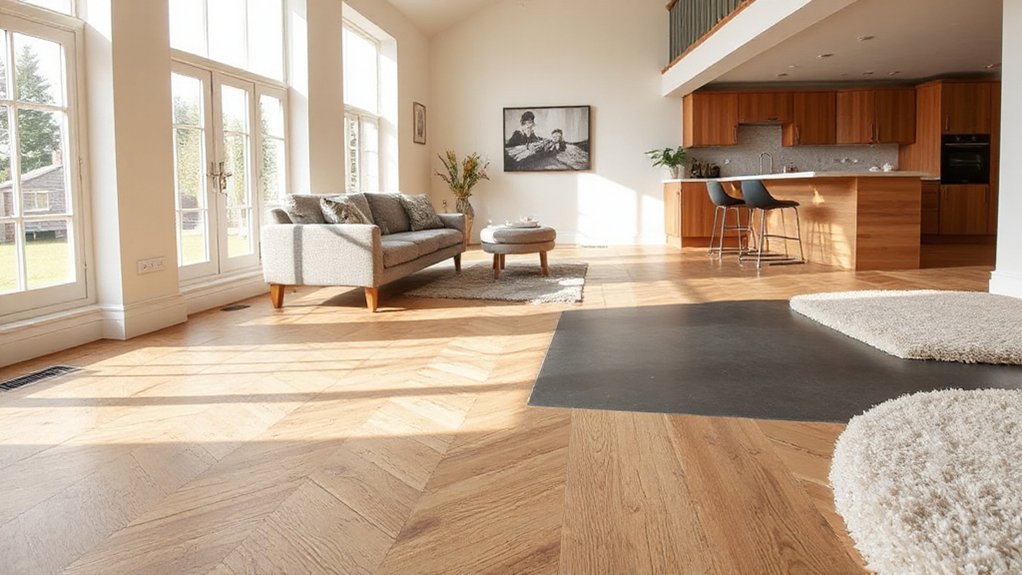

Think of Lancashire’s damp, temperate climate as a quiet grade you must pass. You’ll want flooring that lasts, resists moisture, and still looks sharp as days grow drear. From hallways to living spaces, you’ll balance durability with easy maintenance, choosing stone or tile where damp is likely and leaning on moisture-resistant vinyl or laminate elsewhere. You’ll also consider texture and warmth, so you can stay comfortable without sacrificing resilience, and you’ll set up barriers and ventilation to keep surfaces stable.
How Lancashire Climate Shapes Your Flooring Choice

Lancashire’s damp, temperate climate influences how flooring performs and wears over time. You’ll prioritize materials that resist moisture, handle humidity swings, and tolerate temperature shifts without warping.
Climate considerations guide your choice between solid and engineered options, with attention to expansion gaps and acclimation practices. You’ll look for finishes that resist staining from damp interiors and reduce maintenance needs in moist conditions.
Insulation solutions play a pivotal role, helping maintain comfort and protecting underfoot from cold drafts. Consider subfloor moisture barriers and well-sealed joints to prevent creeping damp.
Ventilation and humidity control become part of the equation, so you’ll pair flooring with robust dehumidification or controlled airflow where needed.
In practice, select durable, moisture-tolerant floors backed by reliable warranties and appropriate installation methods for Lancashire’s climate.
Stone and Tile for Hallways and Damp Areas
For hallways and damp zones, you’ll prioritize durable stone alternatives that mimic natural textures without the maintenance heft.
Consider wet-environment tile options that resist moisture, stains, and slipping, while still delivering a polished look.
This approach keeps high-traffic areas practical, long-lasting, and easy to clean in Lancashire’s climate.
Durable Stone Alternatives
Porcelain resists moisture and staining, making it ideal for entryways and mud corridors. Ceramic plank provides realistic plank visuals with easy maintenance. Engineered stone delivers enhanced strength for high-traffic zones.
Choose solid colors or subtle textures to maintain a cohesive Lancashire look. Eco-friendly options exist, including recycled-content tiles and low-emission production.
Consider grout choices that suppress bacteria growth and ease cleaning. For a tailored look, ask about Custom design: matching edges, patterns, and skirting to align with your home’s architecture while preserving practicality.
Wet-Environment Tile Options
Ceramic mosaics offer flexible layouts and slip resistance, ideal for busy hallways and showers alike. Use full-body porcelain or glazed ceramic for longevity and lower porosity, minimizing staining and maintenance.
For visual interest, incorporate Glass accents to catch light and brighten damp corners without sacrificing grip. Consider large-format tiles to reduce grout lines, which cut cleaning time.
Sealant requirements vary by tile type; follow manufacturer recommendations and re-seal as advised. Plan for proper underlayment, efficient drainage, and a non-slip finish to guarantee safety in all wet zones.
Lancashire Hardwood: Pros, Cons, and Care
If you’re considering Lancashire hardwood for your home, know that durability and warmth come with proper selection and care. You’ll weigh species, finish, and installation to minimize scratches and wear. Hardwood finishes influence gloss, patina, and stain absorption, so choose low-maintenance options for busy rooms.
Maintenance routines should focus on humidity control and protective pads to extend life.
- Inspect floors quarterly for scratches, and refinish when wear becomes noticeable.
- Maintain consistent humidity between 40%–60% to prevent gaps and cupping.
- Use recommended cleaning products and avoid excess water on surfaces.
Pros include timeless appeal and resale value; cons cover potential dents and refinement costs. With disciplined care, Lancashire hardwood remains stylish and durable for years.
Laminate and LVP: Cost-Effective, Water-Resistant Options
Laminate and LVP offer practical, budget-friendly alternatives that mimic hardwood while boosting water resistance. You’ll find durable finishes that handle spills and humidity common in Lancashire homes, making maintenance straightforward and predictable.
Choose laminate for a fast-installing option with a rigid core, or LVP for superior moisture tolerance and a more authentic texture underfoot.
Both products embrace Sustainable materials approaches when sourced responsibly, helping you balance cost with environmental considerations.
Prioritize wide planks or bevelled edges for a contemporary look, while ensuring proper underlayment to minimize sound transmission.
Acoustic insulation benefits arise from thicker constructions and cushioning layers, improving room comfort without added complexity.
When selecting, verify wear rating, water resistance claims, and warranty details to protect your investment.
Natural Fibres and Rugs: Comfort Without Damp Risk
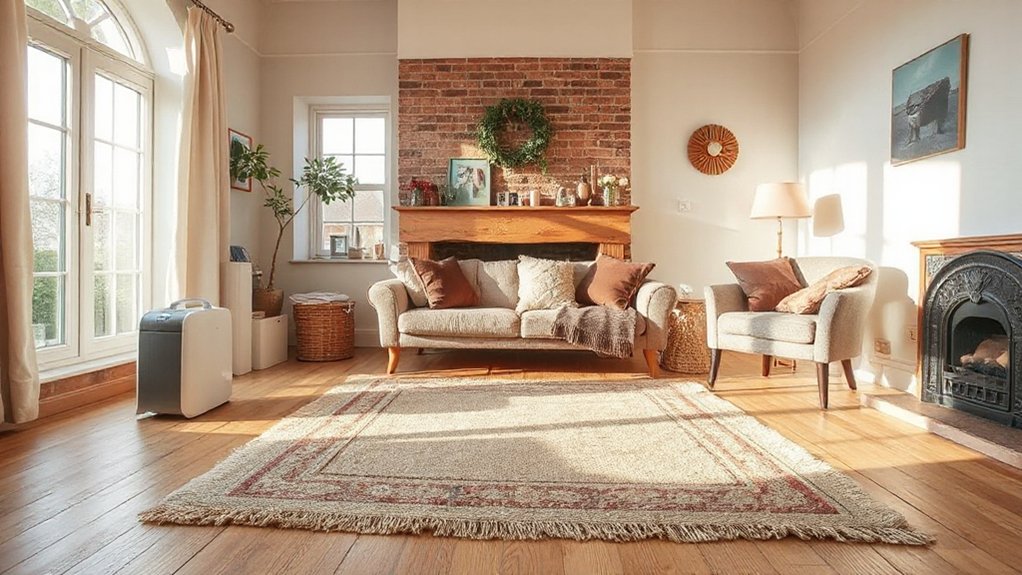
Natural fibre rugs add warm comfort underfoot, but you’ll want to balance softness with moisture control to avoid damp issues. Use breathable weaves, moisture barriers, and proper underlays to mitigate damp risk while extending rug longevity.
Keep an eye on care, ventilation, and vacuuming routines to preserve texture and performance.
Natural Fibre Comfort
Natural fibre rugs and textiles bring warmth underfoot without introducing damp risk, making them a practical choice for Lancashire homes. You’ll benefit from natural fibres that feel luxurious yet stay breathable, helping maintain comfortable floors and steady heat.
For best results, pair with solid floor insulation to minimize heat loss and maximize energy efficiency.
- Assess room usage to select fibre type (jute, sisal, wool) based on traffic and comfort.
- Layer underlays to enhance cushioning and insulation without compromising airflow.
- Choose low VOC, untreated or ethically sourced fibres for longevity and air quality.
Natural fibres offer durable comfort that supports overall floor insulation strategy, while maintaining a lightweight, timeless aesthetic.
Damp Risk Mitigation
Is damp risk a real concern with natural-fibre rugs in Lancashire homes? Yes, but you can mitigate it with targeted actions.
Start with moisture control: install a dehumidifier in damp-prone rooms and ensure doors create a seal to limit humidity fluctuations. Choose wool, sisal, or jute with low moisture retention, and avoid untreated or poorly finished fabrics in high-humidity areas.
Mould prevention hinges on prompt drying after spills and routine quick-inspections for signs of condensation. Elevate rugs slightly with lightweight underlays to promote air flow and reduce trapped moisture.
Ventilation strategies matter: open windows during milder days, run exhaust fans in kitchens and baths, and consider mechanical ventilation in enclosed spaces.
Regular cleaning removes dust that can harbor spores, supporting long-term dryness and rug integrity.
Rug Longevity Tips
To maximize rug longevity with natural fibers, prioritize proper care and installation practices that curb moisture buildup and wear. You’ll extend life by managing humidity, using a moisture barrier, and choosing appropriate padding.
Regular upkeep matters: clean spills promptly, vacuum with a gentle setting, and rotate every 6–12 months to even wear. When selecting patterns, pick tight, low-pile designs for high-traffic areas to reduce snagging and flattening.
- Rug cleaning: address spots quickly, use approved cleaners, and avoid soaking natural fibers.
- Pattern selection: favor dense weaves and simple motifs that resist showing wear patterns.
- Installation: lay flat, avoid direct sunlight, and ensure proper underlay to minimize movement and fraying.
Underfloor Heating: What Works in Lancashire Homes
Underfloor heating can be a smart fit for Lancashire homes, but success hinges on choosing the right system and installation specifics for our climate. You’ll want a design that matches room use, floor type, and existing insulation.
Radiant heating works best when paired with solid insulation solutions that limit heat loss and keep cycle times predictable. In colder Lancashire seasons, consider a low-profile electric mat or a water-based system with a correctly sized manifold for even heat distribution.
Confirm your subfloor is dry and stable before fitting, and verify compatible flooring materials to avoid trapped moisture.
Control strategy matters: programmable thermostats, zoning, and floor sensors deliver consistent comfort without waste.
Finally, insist on professional calibration and leakage testing to guarantee long-term efficiency.
Moisture Management: Subfloor Prep for Lancashire Humidity
Because Lancashire humidity can creep into subfloors, start with thorough moisture management to protect heating systems and flooring. You’ll implement Moisture barriers and Subfloor reinforcement to curb dampness before install.
1) Assess moisture risk: measure RH, inspect for past damp spots, and document high-risk zones.
2) Prepare the subfloor: clean, level, and dry any suspect areas; seal with approved moisture barriers.
3) Reinforce now: add rigid underlayment or sister joists where needed to prevent future settlement and movement.
Apply moisture barriers at all crossings, seams, and edges; ensure proper ventilation during curing. Use continuous, intact barriers rather than spot patches to avoid capillary draw.
Subfloor reinforcement supports longevity, keeps finishes stable, and minimizes callbacks.
Lancashire Flooring Budget: Where to Spend vs Save
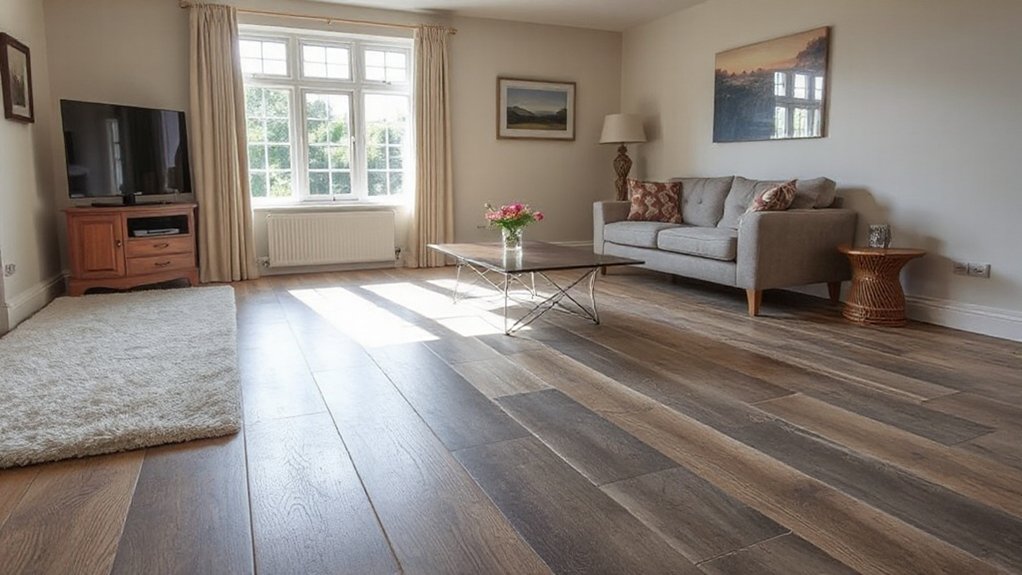
You’ll allocate your materials budget where it matters most, balancing upfront costs with long-term performance. Consider cost-effective flooring options for high-traffic zones and save on rooms that don’t take daily wear as hard, without sacrificing overall style.
Identify high-impact investment areas—where durability and ease of maintenance deliver the best value—and tailor your choices accordingly.
Allocation For Materials
Allocating materials for a Lancashire flooring project means prioritizing where you get the most value without compromising quality. You’ll allocate budget by material tier, prioritizing essentials for longevity, plus smart upgrades where they count.
1) Prioritize underlay and adhesive quality to support longevity and finish.
2) Allocate more for durable surface materials in high-traffic spaces, balancing with appearance.
3) Reserve a contingency fund for corrections, waste, and installation tweaks.
Focus areas include flooring installation needs and staying current with flooring trends to avoid short lives or regret. Choose mid-range options for core components, with premium picks where performance matters most.
Track usage and waste to refine future purchases. By budgeting thoughtfully, you protect curb appeal, improve comfort, and sustain resale value without overcommitting.
Allocate decisively, adjust after installation, and review trends for ongoing optimization.
Cost-Effective Flooring Options
Lancashire homeowners can stretch their flooring budget by prioritizing cost-effective options that don’t sacrifice durability or style. In this category, you’ll balance initial cost with long-term performance.
Choose resilient surfaces that handle foot traffic and spills without frequent replacement. Vinyl plank offers near-wood aesthetics at a fraction of the price and is easy to install, especially with DIY installation, reducing labour costs.
Laminate remains another budget-friendly alternative that mimics hardwood while resisting dents.
For eco-conscious choices, consider eco-friendly materials like cork or bamboo, which lower environmental impact and can still be economical over time when sourced responsibly.
Sheet goods or luxury vinyl fail-safes provide seamless waterproofing for kitchens and bathrooms.
Prioritize underlayment, moisture barriers, and precise cutting for a professional finish.
High-Impact Investment Areas
In Lancashire, target your budget toward rooms where durability and resale value matter most, like entryways, kitchens, and living rooms, where wear and moisture are most pronounced. High-impact areas demand strategy: you’ll prioritize long-lasting materials, easy maintenance, and potential value gain.
Consider how luxury finishes elevate appeal without sacrificing practicality, and weigh eco friendly options that perform under daily use. Balance upfront cost with lifecycle value by allocating more to entryways and kitchens, while saving on bedrooms and halls.
- Allocate premium materials for entryways and kitchens
- Pair durable cores with luxury finishes for living areas
- Choose eco friendly options that still deliver performance
This approach keeps spaces resilient, stylish, and future-proof.
Aesthetic Pairings: Traditional Lancashire Styles With Modern Floors
Pairing traditional Lancashire aesthetics with modern flooring creates a grounded yet fresh look that’s both timeless and practical. You’ll align earthy wood tones or muted stone with contemporary finishes to reinforce authenticity without heaviness.
Prioritize color coordination: pick a neutral base—warm beiges, soft greys, or limestone—then select flooring that echoes or complements those hues. This approach strengthens design harmony across living spaces, from hallways to lounges, ensuring progressions feel intentional.
Use contextual textures—lakeland timber, brushed oak, or low-sheen tiles—to maintain warmth while preserving modern clarity. Contrast should be deliberate, not dramatic; aim for cohesive depth rather than distraction.
Consider patterns sparingly: simple planks or subtle herringbones work well. With precise material choices and mindful tone, you achieve a compelling, resilient Lancashire aesthetic that remains adaptable.
Longevity and Maintenance for Lancashire Floors
Durability should be a top priority when choosing floors for Lancashire homes, and understanding maintenance now will save you time and money later. You’ll get lasting value by choosing materials that tolerate Lancashire’s humidity and traffic, while keeping aesthetics intact.
Regular care keeps flooring aesthetics intact and discourages premature wear. Follow precise installation techniques to prevent gaps and movement that shorten life.
- Inspect joints and seams after installation, reseal as recommended, and address moisture with appropriate underlays.
- Implement a simple, uniform cleaning routine using pH-balanced products and avoid harsh abrasives that dull finishes.
- Schedule periodic professional checks for wear, finish reapplication, and to verify ventilation and humidity control.
Real-World Lancashire Homes: Cottages, Quarries, and New Builds
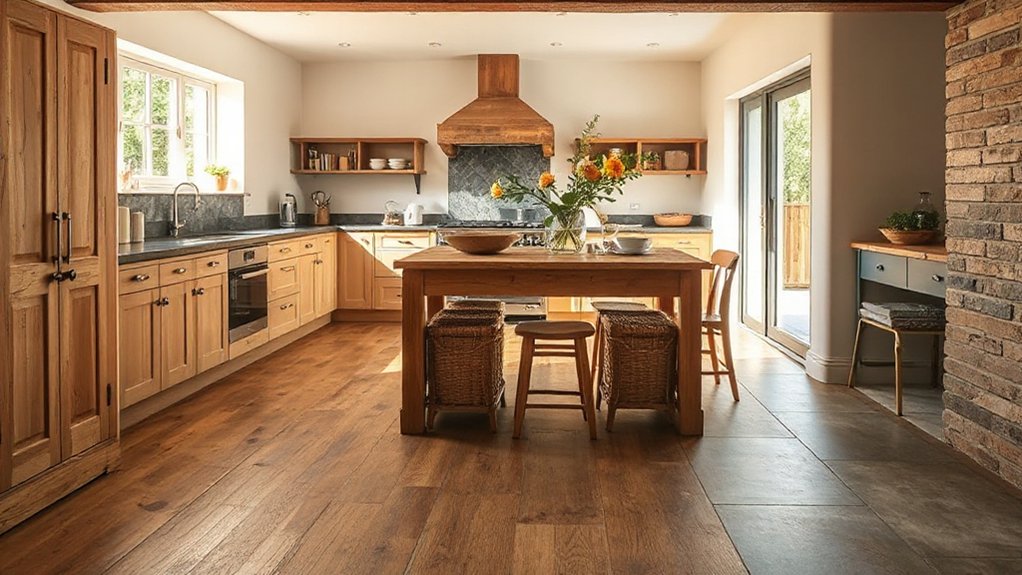
Real-world Lancashire homes blend character with practicality: cottages, quarries, and new builds each demand flooring choices that respect their unique environments and lifestyles.
You’ll balance durability with aesthetics by matching texture and tone to period features in cottages, while modern quarries require slip resistance and easy maintenance.
For new builds, prioritize seamless installation and future flexibility, using layouts that reduce shifts and waste.
In cottages, choose warm woods or stone-look tiles that echo traditional charm without sacrificing upkeep.
Quarries benefit from engineered stone or porcelains that resist grit and damp, paired with underfoot comfort.
For all real-world settings, luxury finishes exist without sacrificing performance, and eco-friendly materials can coexist with beauty and longevity.
Your selections should emphasize practicality, longevity, and responsible sourcing.
Quick Decision Framework for Lancashire Flooring
Choosing the right Lancashire flooring starts with a quick, practical framework: assess foot traffic, moisture exposure, and your maintenance preferences, then map these against material options and costs. You’ll compare durability, comfort, and aesthetics to pick a winner, focusing on Flooring aesthetics and installation techniques. Use this frame to decide in minutes, not days.
- Assess traffic and moisture risk, then align with finish durability and slip resistance.
- Match maintenance effort to your lifestyle, weighing cleaning ease against long-term wear.
- Shortlist options by cost, installation ease, and visual impact, prioritizing aesthetic goals.
This approach yields a concise, actionable path—prioritizing performance, value, and appearance without overcomplication.
Frequently Asked Questions
How Does Lancashire Humidity Affect Wood Floor Expansion?
Humidity causes wood expansion; in Lancashire, seasonal swings matter. You’ll see swelling with high humidity and drying shrinkage when air is dry. Monitor Humidity effects, use acclimation, and control ventilation to minimize wood expansion.
Are There Flooring Options Resistant to Lancashire Damp Basements?
Yes, you should choose waterproof tiles or vinyl flooring for damp basements. They resist moisture, prevent warping, and are easy to maintain, making your space durable; install proper subflooring and moisture barriers for best long-term protection.
Which Floors Handle Coastal Salt Air Best in Lancashire?
Coastal impact on floors: you’ll want salt corrosion-resistant materials like porcelain, ceramic, and engineered stone with sealed finishes. You should avoid soft woods. Opt moisture barriers, proper ventilation, and annual inspections to minimize coastal wear and salt damage.
Can Underfloor Heating Damage Traditional Lancashire Floors?
Underfloor heating can harm traditional Lancashire floors if you overheat or use incompatible tacking. Coincidentally, you’ll protect traditional flooring durability by pairing it with proper insulation. It’s essential: check underfloor heating compatibility before installation.
What Maintenance Reduces Mold Risk in Lancashire Homes?
To reduce mold risk, you should prioritize humidity control and Mold prevention. Keep indoor humidity around 40–60%, vent bathrooms and kitchens, fix leaks promptly, improve air circulation, and use dehumidifiers in damp Lancashire environments. Regular inspections support lasting protection.
Conclusion
Choose your flooring like a Lancashire captain steering through tides. Think of stone and tile as sturdy hulls for damp corridors, vinyl or LVP as weatherproof planks you can trust, and hardwood as a cherished deck kept by humidity rules. Let natural fibers offer warm harbors, while careful maintenance acts as the compass. In every room, balance practicality with charm, durability with beauty, so your home sails gracefully for years.