


You want garden renovations that boost value without draining time or money. Focus on durable, low-maintenance design: drought-tolerant natives, smart trees, and appealing hardscapes that endure seasonal shifts. Add few focal points—water features or art—without overcommitting upkeep. Prioritize efficient irrigation, mulch, and soil health to keep costs down while preserving curb appeal. Start with a clear budget and goals, then map quick wins and long-term improvements that make buyers notice—before you settle on the next step.
How Garden Renovations Boost Home Value
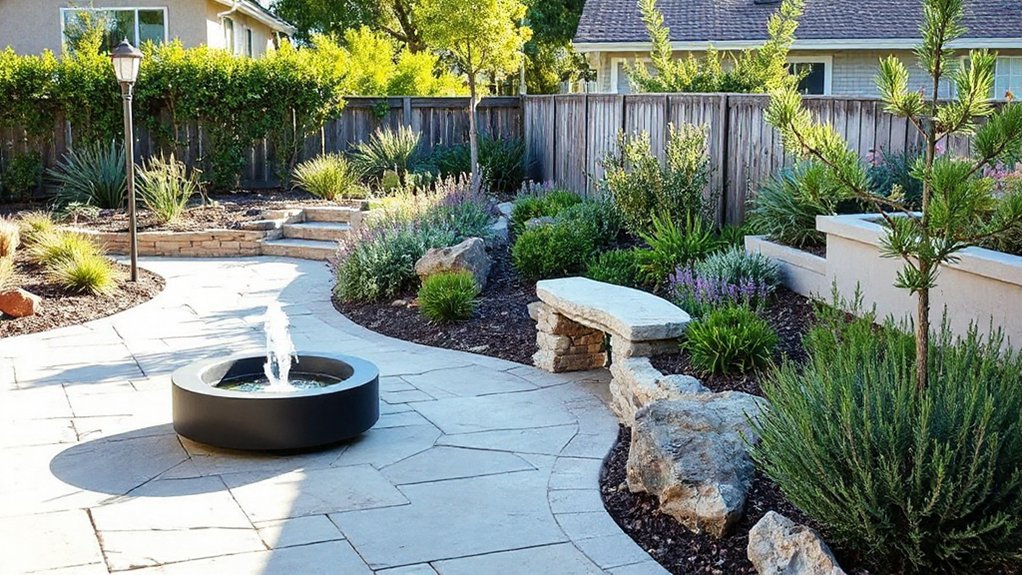
Garden renovations can pay off by attracting buyers and easing resale. You’ll see value when upgrades target curb appeal, outdoor living, and maintenance costs. Research shows well-planned landscaping can add a noticeable percentage to sale price, shorten days on market, and boost perceived quality.
Focus on durable plants, drought-tolerant selections, and intelligent irrigation to maximize ROI. Incorporate garden art as focal points that create memorable first impressions without excessive upkeep, and position seating areas for both privacy and socializing.
Plan wildlife habitats thoughtfully to support biodiversity while showing practical stewardship. Track costs and expected increases using local comps, noting how simple, low-cost enhancements outpace neglect.
Define Your Curb-Appeal Goals and Budget
To define your curb-appeal goals and budget, start by identifying what buyers value in your area and how much you’re willing to invest to achieve that look. Clarify target outcomes (curb presence, color seasonality, low maintenance) and anchor them to local market data, if possible.
Establish a clear budget by separating needs from nice-to-haves, then allocate funds to high-impact elements. Use budget planning to quantify trade-offs between plant diversity, maintenance costs, and installation time.
Prioritize features with strong resale appeal, like focal plantings near entryways and well-defined pathways. Map out a phased plan if needed to spread costs without compromising curb impact.
Track progress against milestones, adjusting as prices shift and priorities evolve. Focus on plant placement and efficient budget planning to maximize value.
Start With Drought-Tolerant Plants That Impress
Choose native flora that’s adapted to your climate, reducing fertilizer and water needs. Pair low-water perennials with evergreen shrubs to maintain year-round interest and soil stability.
Use mulch to conserve moisture and suppress weeds, cutting upkeep time by a third on average.
Incorporate rain harvesting elements like barrels or drip irrigation to capture and reuse rainfall, further lowering irrigation demands.
Quantify success with data: natives typically establish faster, resist pests, and sustain pollinators, boosting local biodiversity.
Favor drought-tolerant, compact varieties for small yards, and test soil pH to optimize nutrient uptake without excess input.
Smart Tree Planting for Year-Round Appeal

Smart tree planting complements drought-tolerant foundations by delivering year-round structure, shade, and seasonal color with efficient water use. You’ll select species with compatible growth rates and root systems to maximize landscape value without overtaxing soil.
Prioritize tree maturity at planting: a 2–4 inch caliper often establishes faster canopies and measurable landscape impact within 3–5 years. Pair high-branching varieties with deep, fibrous roots to boost root health and soil aeration, reducing flood risk and drought stress.
Space trees to prevent competition for water, nutrients, and light, targeting a balanced canopy over driveways and entrances. Monitor irrigation, using deep, infrequent watering to encourage resilient roots.
Regularly inspect for pests and disease, replacing stressed specimens promptly to sustain long-term property value.
Low-Maintenance Lawn Alternatives That Wow
If you want a lush, low-maintenance lawn without daily upkeep, consider drought-tolerant grasses, groundcovers, or mulch-first landscapes that reduce mowing by 50% or more.
Your yard can still look polished while cutting irrigation needs by up to 30–70% with drought-resistant options.
Artificial turf offers a durable, weatherproof seed-free alternative that stays green with minimal attention, though upfront costs and heat considerations matter.
For natural appeal with low maintenance, plant drought-resistant shrubs along borders, pairing them with permeable groundcovers to suppress weeds and reduce soil evaporation.
Choose species suited to your climate, sunlight, and foot traffic.
Combine these tactics with smart irrigation and routine edging to maintain a tidy, value-enhancing space that requires less time and effort.
Edible Landscaping for Added Value
You can boost curb appeal and value by pairing edible landscape aesthetics with strategic food gardening, creating visual interest while producing harvests. Field-tested layouts show that thoughtfully placed fruiting shrubs, herbs, and vegetables improve perceived value without sacrificing style.
Start small with a dedicated edible bed or raised planters that complement existing plantings, then scale as demand and yields justify it.
Edible Landscape Aesthetics
An herb garden nearby the kitchen increases perceived usability and can lower culinary costs, while neatly labeled beds support quick maintenance and irrigation efficiency. Integrate fruit trees where they won’t overwhelm sightlines, selecting compact varieties to maintain yard scale and allow seasonal color.
Use contrasting textures, colors, and orderly rows to communicate discipline and care, which buyers notice. Pair edible elements with ornamental features—mulching, edging, and drip irrigation—so upkeep remains predictable.
Solid siting, proper spacing, and residue-free harvests maximize appeal without compromising safety or aesthetics.
Strategic Food Gardenings Value
Strategic food gardening adds value by aligning edible plantings with design goals and budget constraints. You optimize space by zoning edible beds alongside ornamental borders, ensuring year-round harvests without sacrificing curb appeal.
Prioritize high-yield, space-efficient crops and native varieties to reduce maintenance and water needs. Use data on local climate, soil, and sun exposure to select companions that boost productivity.
Implement a simple irrigation plan with drip lines and mulch to minimize waste, and couple this with composting tips to close your nutrient loop.
Incorporate urban foraging as a design concept, creating accessible harvest zones that blend with pathways and seating.
Track yield and costs to justify upgrades, and document improvements for resale value and buyer appeal.
Enduring Perennials for Seasonal Color
You can expect long-lasting color from perennials that deliver reliable performance year after year.
For steady seasonal interest, choose a mix that blooms at different times and supports ongoing color with foliage texture.
This practical approach helps you plan for consistent curb appeal and value-driven landscaping.
Long-Lasting Color Perennials
Target plants with broad regional suitability, drought tolerance, and compact to moderate heights to reduce staking needs and crowding. Pair perennials with smart bed design: stagger bloom times, select complementary foliage, and guarantee well-drained soil.
Over a multi-year period, you’ll see steady cost savings through reduced replanting and fewer replacements. For visual impact, consider using flowering perennials in massed blocks or layered borders, enhancing flower arrangements and grassy accents.
This approach also supports garden art displays by providing cohesive, durable color foundations.
Seasonal Interest Throughout Year
Seasonal interest all year comes from enduring perennials that turn again and again with minimal effort. You’ll select plants that bloom in successive windows, provide foliage texture, and resist common diseases, ensuring color shifts from spring through fall.
Prioritize a mix of flowering times, height layers, and drought tolerance to minimize maintenance while maximizing visual impact. Data show that high-contrast foliage and repeated bloom sequences boost curb appeal and property value more than single-season displays.
Aim for plant diversity to support pollinators across seasons and reduce pest pressure. Design with wildlife habitat in mind: include early nectar sources, seed heads, and shelter.
With a thoughtful palette, you’ll achieve year-round structure, reduced replacement costs, and a resilient, attractive garden.
Practical Soil Health and Composting Basics
What makes soil healthy enough to grow strong vegetables and ornamentals? You’ll start with structure, nutrients, and biology. You test texture and drainage, aiming for loam that drains well yet holds moisture. You monitor pH and adjust toward a range suitable for most ornamentals and edibles.
For soil improvement, you add organic matter regularly, expecting gradual but meaningful boosts in microbial activity and nutrient cycling. You’ll balance carbon and nitrogen inputs, avoiding excessive tilling that harms soil life.
In composting methods, you pile kitchen scraps, leaves, and garden waste, turning to aerate and accelerate decomposition. You screen finished compost for maturity, then blend it in at 2–5 inches depth.
Use cover crops between seasons to protect soil structure and fertility.
Hardscaping That Adds Longevity and Charm

You’ve built a healthy garden foundation with soil quality and composting, now you can extend that resilience with hardscaping that lasts. Durable features boost value by reducing maintenance and weathering effects, while adding visual interest. Choose materials with proven lifespan and low upkeep, and plan drainage to prevent erosion.
Integrate lighting and art to enhance evening curb appeal without clutter.
- Select permeable paving or stone that tolerates freeze-thaw cycles and minimizes runoff.
- Install landscape lighting strategically to highlight focal points, improving safety and ambiance.
- Add garden sculptures as durable accents that endure weather with proper sealing.
- Use edging and walls to define spaces, deter soil erosion, and simplify maintenance.
Paths and Patios to Create Outdoor Rooms
Paths and patios can transform your yard into usable outdoor rooms, boosting livability and value with defined spaces. You’ll gain measurable returns by shaping flow between planting beds, grilling zones, and seating areas.
Use permeable materials to improve drainage and curb appeal; concrete, pavers, and natural stone each offer durability and cost variance to fit your budget.
Define zones with alignment to sun and shade patterns, ensuring comfortable, all-season use.
Integrate garden furniture that fits the scale of each room and promotes social gatherings, not clutter.
Add water features only where they serve a focal point and reduce maintenance elsewhere; a small fountain or pond can boost perceived value.
Prioritize low-maintenance, durable finishes, and plan for accessory storage to keep spaces inviting year-round.
Privacy Upgrades That Look Timeless
- Choose modular panels in neutral tones for flexible, timeless design.
- Use evergreen plantings or fast-growing screens to complement hardscapes.
- Stackable or retractable screens offer adaptable privacy without crowding.
- Pair screening with proper framing, posts, and drainage to extend longevity.
Efficient Irrigation to Save Water and Money

Efficient irrigation saves water and money by delivering exactly what plants need while minimizing waste. You’ll reduce runoff and overwatering with targeted delivery systems. Drip irrigation minimizes evaporation loss and soil saturation, directing moisture to roots where it counts.
Pair it with soil moisture sensors to tailor schedules, avoiding guesswork and saving up to 30% on typical outdoor water use. Implement zone-based controllers to treat cool-season and heat-loving plants separately, respecting sun exposure and soil type.
Rainwater harvesting complements this by supplying non-potable water, lowering municipal usage and costs while reducing stormwater impact. Use mulch to slow evaporation and maintain consistent soil moisture.
Schedule irrigation for early morning or late evening to curb evaporation further and promote healthy root development.
Outdoor Lighting for Safety and Ambiance
How can well-designed outdoor lighting boost safety and elevate ambiance without overdoing it? Proper garden lighting guides paths, reduces trip hazards, and deters intruders while keeping routes inviting. With targeted outdoor illumination, you create visual cues that enhance usability after dark and frame key features like entryways and seating areas.
Use low-profile fixtures and warm color temperatures to maintain a natural look, not glare. Data shows well-lit exteriors cut incidents and increase user confidence in the evening, improving property appeal.
Garden lighting should be layered: functional, ambient, and accent to balance safety with mood.
- Plan pathways with step lights and low bollards for even illumination.
- Highlight entry doors and transitions to improve security.
- Use warm hues (2700–3000K) for comfort and clarity.
- Integrate timers and sensors for efficiency.
Sustainable Material Choices for Durability
When you plan garden renovations for long-term value, choosing sustainable materials that endure is key. You’ll prioritize durability, maintenance cost, and lifecycle impact.
Opt for weather‑tested, low‑maintenance options like high‑grade composite decking, dense hardwoods with proper sealant, and recycled‑content pavers that resist wear.
Favor natural stone or porcelain tiles with slip resistance and proven frost tolerance.
For softscape elements, select pressure‑treated or naturally rot‑resistant timber, and bamboo alternatives rated for outdoor use.
Favor metals with rust protection, powder coatings, and corrosion‑resistant fasteners to reduce replacement needs.
This approach aligns with sustainable material choices while delivering real value.
Incorporate eco friendly garden features such as permeable surfaces and rainwater‑capture compatible materials to support durability and environmental performance.
Raised Beds and Borders for Structure

Raised beds organize beds and crops for easier maintenance and improved yields, while borders define the overall structure of your garden spaces. This approach creates clear zones, reduces soil compaction, and enhances drainage—backed by practical layout data and timing for seasonal changes.
Start with a simple grid and sturdy edging so you can measure progress, rotate plantings, and quantify value over time.
Raised Beds Organization
A well-organized raised-bed layout clarifies space, improves drainage, and streamlines planting, maintenance, and harvests. You optimize pathways, label zones, and align beds for efficient watering and access. This organization reduces waste and supports consistent yields, while making garden pests easier to spot and manage.
You also plan for soil testing to tailor amendments, ensuring nutrient balance across beds.
- Map bed dimensions and access points to minimize stepping on soil.
- Group crops by sun, water needs, and rotation cycles for easier maintenance.
- Install modular edging and uniform bed heights to simplify tools and ergonomics.
- Schedule seasonal checks for irrigation, mulch, and pest indicators to sustain performance.
Borders Define Structure
When border design is intentional, it frames plant palettes, reduces spillover, and reduces maintenance by keeping mulch and soil contained.
Measurements matter: a 4–6 inch mulch layer, a 1–2 foot clear path, and borders that rise slightly above soil level for clean weed control.
Materials influence value; brick, timber, or metal add durability and style, while low borders emphasize seamless passages.
Consistency in line, height, and curvature boosts curb appeal and resale.
Pair borders with uniform edging and recurring plant repetitions to reinforce structure, optimize sightlines, and elevate the overall garden aesthetic.
Mulch, Weed Control, and Maintenance Strategies

Mulch, weed control, and ongoing maintenance work together to protect soil, conserve moisture, and keep a garden looking tidy year-round. You’ll benefit from a data-driven approach that minimizes inputs while maximizing plant health, using mulch application strategically and enforcing weed prevention across beds.
1) Apply 2–3 inches of mulch to suppress weeds, regulate soil temperature, and reduce evaporation.
2) Inspect weekly for emerging weeds and pull by hand before seed set, pairing with pre-emergent options if appropriate.
3) Schedule seasonal maintenance, edging beds and cleaning debris to prevent disease pressure and promote airflow.
4) Use clean, weed-free mulch sources and rotate materials to avoid nutrient imbalances and soil compaction.
Complete Yard Remodels: Budgeting for Impact
When you plan a complete yard remodel, start with clear, measurable goals and a realistic budget that aligns with the expected impact.
Consider cost-effective yard makeovers that prioritize high returns, such as functional zones, low-maintenance plantings, and durable hardscapes.
These options should be backed by data on child/guest safety and energy savings.
We’ll compare options for maximizing value within your constraints, so you can make informed decisions without overextending your funds.
Budgeting For Impact
- Define goals and milestones, then quantify expected gains in property value and daily use.
- Allocate contingency—typically 10–15%—to cover design tweaks, permits, and unexpected site conditions.
- Prioritize high-ROI elements like durable hardscape, efficient irrigation, and low-maintenance plantings.
- Plan for visuals that sell: garden art and outdoor furniture should align with overall style and scale, avoiding overinvestment in niche trends.
Cost-Effective Yard Makeovers
Is a complete yard remodel worth the investment when you’re targeting maximum impact on a budget? Yes, if you prioritize cost-per-value.
Start with a focused plan: identify high-ROI zones—pathways, grading for drainage, and a durable, low-maintenance turf or groundcover. Lay out a simple, modular design to adapt over time, reducing upfront costs.
Use native plantings to slash water and maintenance needs by up to 30–50% compared with ornamental alternatives.
Integrate garden art as focal points rather than full-scale features, boosting perceived value without heavy spend.
Choose outdoor furniture that doubles as storage or seating, maximizing utility.
Invest in quality mulch and edging for a cleaner, longer-lasting look.
Track expenses against a clear milestone, reallocating savings to key improvements.
Seasonal Maintenance Plan to Protect Value
Seasonal maintenance protects value by preventing costly damage and keeping systems running efficiently year-round. To safeguard your landscape, follow a simple, repeatable plan that aligns with seasonal needs and budget.
- Schedule seasonal pruning to maintain plant health, reduce risk of disease, and improve airflow around branches.
- Perform a thorough garden cleanup after peak growing periods, removing debris that can harbor pests and mold.
- Inspect irrigation and drainage, adjusting for rain patterns to prevent erosion and water waste.
- Track interim repairs and replacements, prioritizing high-impact fixes that protect structural and aesthetic value.
This approach emphasizes data-driven actions, clear priorities, and measurable results, helping you preserve garden value without unnecessary work.
Quick Wins You Can Implement This Season
You can start strong this season with a handful of quick, high-impact wins that don’t require a full renovation. Start with a focused plant refresh: replace underperforming perennials, add drought-tolerant roses, and fill borders with native grasses to boost curb appeal by 15–25% based on landscape studies.
Install smart irrigation zoning to cut water use by up to 30%, and repair worn pathways to reduce trip hazards and improve accessibility.
Add garden art to punctuate focal points, which nudges buyer interest without a large spend.
Create a wildlife habitat by layering flowering natives, bird baths, and small brush piles to support pollinators and birds, enhancing ecosystem value.
Track changes, measure costs, and anticipate a crisp return on investment.
Frequently Asked Questions
How Soon Will Renovations Raise Property Value?
Renovations can boost value within months to a year, but you’ll see the most impact with high-quality garden lighting and durable outdoor furniture. You’ll attract buyers sooner, improving curb appeal and overall perceived value. Invest in smart, energy-efficient improvements.
Which Garden Upgrades Offer Best ROI?
Plant selection and irrigation systems offer the best ROI; you’ll boost curb appeal and reduce water waste. You save on costs with drought-tolerant species, automate watering, and monitor moisture, making your garden both attractive and financially efficient.
Do Seasonal Changes Affect Value Gains?
Seasonal changes can affect value gains, but steady design matters more. You’ll benefit from seasonal planting aligned with climate considerations, ensuring year‑round appeal and minimal upkeep, even when markets shift or weather varies. This keeps ROI resilient and practical.
What Costs Are Typical for Upgrades?
You’ll typically budget 2–5% of home value for upgrades, varies by scope. Focus on plant selection for drought-tolerance and aesthetics, plus reliable irrigation systems; costs rise with smart controllers, drip lines, and seasonal installation adjustments.
How to Measure Return on Landscaping Investment?
To measure return on landscaping investment, track upfront costs and post-project resale lift, plus annual maintenance vs. market comps; compare landscape design and garden lighting benchmarks. You’ll quantify value via reduced time on market and higher appraisal quotes.
Conclusion
You start with a plan that matches your goals and budget, and then your garden quietly pays you back. Coincidences stack: a drought-tolerant border lowers water bills, a smartly placed tree boosts year‑round appeal, and mulch plus smart irrigation cut maintenance time. When neighbors notice those curb-appeal upgrades, you’ll find the short-term tweaks—like seasonal pruning or quick-wins—align with long-term value. The more you simplify, the more your property value grows, almost by design.