
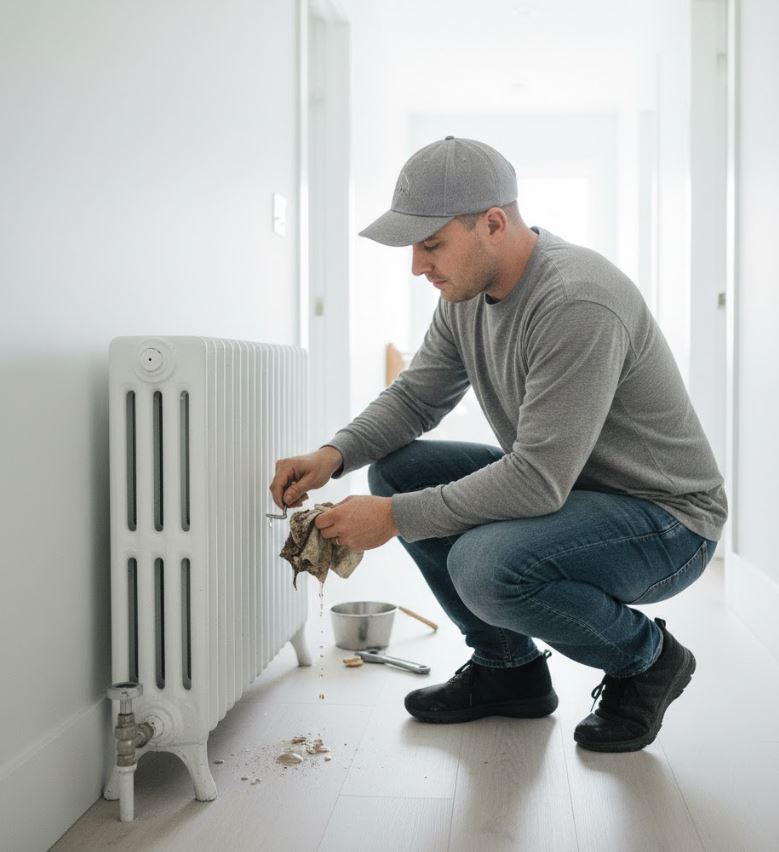

Just ensuring your radiators are functioning efficiently can significantly enhance your home’s heating system. By learning how to bleed, clean, and balance your radiators, you can optimize their performance and maintain a comfortable environment. This guide will walk you through the important steps, enabling you to address common issues and achieve improved heat distribution throughout your space. With the right approach, you can extend the lifespan of your heating system and create a cozy atmosphere in your home.
The Art of Bleeding Radiators
Bleeding radiators is important for maintaining optimal heating performance. This process involves releasing trapped air from your radiator, ensuring it heats evenly and efficiently. When done correctly, you can improve comfort levels in your home while reducing energy costs.
Recognizing the Signs: Symptoms of Trapped Air
Trapped air in radiators often manifests as cold spots, particularly at the top or side of the unit. You might also notice that the radiator takes longer to heat up or doesn’t reach the desired temperature. Additionally, unusual noises like gurgling or banging can signal air issues, indicating that bleeding may be needed.
Essential Tools for Effective Bleeding
To bleed your radiators effectively, you’ll need a radiator key, a cloth or towel, and a container for any water that may escape. The radiator key fits into the bleed valve, allowing you to release air. A cloth helps catch spills and protects your flooring, while the container prevents messes during the process.
Mastering the Cleaning Process
Cleaning your radiators not only enhances their efficiency but also prolongs their lifespan. A well-maintained radiator can significantly improve your home’s heating performance, providing consistent warmth while potentially lowering energy bills. Regular cleaning should be incorporated into your maintenance routine to avoid buildup that can disrupt heat distribution.
The Accumulation Dilemma: Why Cleanliness Matters
Dust, grime, and other debris accumulate inside your radiators over time, hindering heat transfer. When these obstructions block the flow of hot water or steam, it leads to colder spots, and you may find yourself cranking up the thermostat, leading to higher energy costs. Maintaining a clean radiator ensures optimal performance, enhancing comfort and efficiency.
Step-by-Step Guide to Radiator Cleaning
Follow these steps to effectively clean your radiators:
| Step | Description |
| 1. Turn Off Heating | Ensure the heating system is turned off and let the radiator cool down. |
| 2. Gather Supplies | Gather a vacuum, soft brush, cleaning cloths, and a bowl of soapy water. |
| 3. Remove Dust | Use the vacuum and brush to remove loose dust and debris. |
| 4. Wipe Down | Use the soapy water and cloths to wipe down the exterior surfaces. |
| 5. Inspect and Finish | Check for any leaks or damages and reassemble if necessary. |
Taking a systematic approach to cleaning will yield the best results. Start by ensuring your radiator is completely cool, which allows you to handle it safely. As you vacuum and wipe, pay special attention to the spaces between fins where dirt accumulates. A microfiber cloth is effective for reaching tight spots and collecting dust without leaving residue. After cleaning, inspect for any issues like rust or leaks which may require further attention.
| Additional Tips | Details |
| Frequency | Clean radiators at least once a year, preferably before the heating season. |
| Cleaning Products | Some use vinegar or specialized radiator cleaners; however, soapy water suffices for most cases. |
| Tools | A radiator brush can help reach tight spots that regular brushes can’t. |
Achieving Ripple-Free Heat Distribution
Optimizing heat distribution across your space requires careful attention to your heating system. Ensuring that every radiator emits consistent warmth leads to a comfortable environment while minimizing energy waste. By aligning radiators for balanced output, you can eliminate cold spots and achieve a uniformly heated home, ultimately enhancing your overall heating experience.
The Importance of Balancing Radiators
Balancing radiators allows each unit in your heating system to produce the right amount of heat according to its location and size. An unbalanced system can lead to uneven heating, where some rooms feel overly warm while others remain cold. This not only affects comfort but can also increase energy bills as your heating system works harder to compensate for the inconsistencies.
Techniques for Balancing: A Detailed Approach
Various methods exist for balancing your radiators effectively. Start by assessing the temperature of each radiator using a thermometer or by simply feeling the surface. By adjusting the lockshield valve, which controls the flow of water, you can fine-tune how hot each radiator gets based on its location and demand. Additionally, ensure that the heating system is properly bled and cleaned prior to balancing to maximize efficiency.
To balance your radiators effectively, begin with the radiator farthest from your boiler. Open the lockshield valve fully, then gradually adjust as you return towards the boiler, ensuring each subsequent radiator receives appropriate flow. Adjustments of one-quarter to half a turn may be necessary, depending on temperature ratings. Regular checks and adjustments will help you maintain optimal heat output, making significant differences in comfort levels throughout your space.
The Performance Boost: Benefits of Proper Maintenance
Proper maintenance of your radiators can significantly enhance performance, leading to a more efficient heating system and reduced energy costs. Regularly bleeding, cleaning, and balancing radiators minimizes the risk of cold spots and ensures an even distribution of warmth throughout your home. These actions not only extend the life of your heating system but also create a more comfortable living environment.
Improved Efficiency and Energy Savings
By bleeding and cleaning your radiators, you eliminate air pockets and debris that hinder heat transfer. This optimization allows your heating system to operate more efficiently, potentially reducing your energy bills by as much as 15%. With a well-maintained radiator system, you maximize heat output while minimizing energy input, making your home both eco-friendly and cost-effective.
Enhanced Comfort and Longevity of Heating Systems
Regular maintenance increases your heating system’s reliability and lifespan. By keeping radiators free of sludge and air, your system is less likely to encounter breakdowns or require costly repairs. A well-functioning heating system maintains consistent temperatures, enhances overall comfort, and reduces the likelihood of unexpected failures during peak usage seasons.
Maintaining your heating system not only promotes efficiency but also ensures a steady comfort level throughout your home. For example, a home with balanced radiators can maintain a consistent temperature with minimal fluctuation, allowing you to feel cozy without the sharp, cold drafts that often occur in poorly maintained systems. Investing time in maintenance can extend the operational life of your equipment, delaying the need for expensive replacements and providing peace of mind in your home environment.
Troubleshooting Common Radiator Issues
Addressing radiator issues promptly can prevent larger problems and improve overall efficiency. Frequent symptoms like cold spots, unusual noises, or leaking can indicate underlying issues that require your attention. Regular checks to identify air pockets, corrosion, or valve malfunctions are important. Keeping an ear out for gurgling sounds or hissing can also help you pinpoint issues early, ensuring your heating system operates smoothly and effectively.
Identifying and Rectifying Persistent Problems
Persistent radiator problems often stem from air build-up or sediment accumulation. If bleeding doesn’t resolve cold spots, consider flushing the radiator to remove debris. Check valves for leaks and ensure they’re functioning correctly. A consistent hissing sound might indicate pressure issues, while recurring noises often point to trapped air. Regular inspections can help you diagnose and fix these issues before they escalate.
When to Seek Professional Assistance
If regular maintenance doesn’t alleviate radiator issues, it may be time to consult a professional. Complex problems like extensive leaks, persistent low pressure, or faulty thermostatic controls warrant expert intervention. Additionally, if you encounter inconsistent heating throughout your home, skilled technicians can utilize specialized tools to identify hidden issues that you may overlook.
Professional technicians bring experience that allows them to detect and resolve intricate problems efficiently. They can perform comprehensive diagnostic assessments, including pressure tests and infrared scans, to uncover hard-to-detect leaks or blockages within your heating system. Their expertise ensures repairs are done correctly, potentially preventing further damage and ensuring your heating system works optimally throughout the winter months.
Summing up
Taking this into account, bleeding, cleaning, and balancing your radiators are important steps to maximize performance and efficiency. By regularly removing trapped air, you ensure optimal heat distribution throughout your space. Cleaning removes any sludge buildup that can hinder functionality, while balancing ensures each radiator gets the proper flow of hot water. Implementing these practices not only enhances comfort but can also lower your energy costs, making your heating system work more effectively for you.