
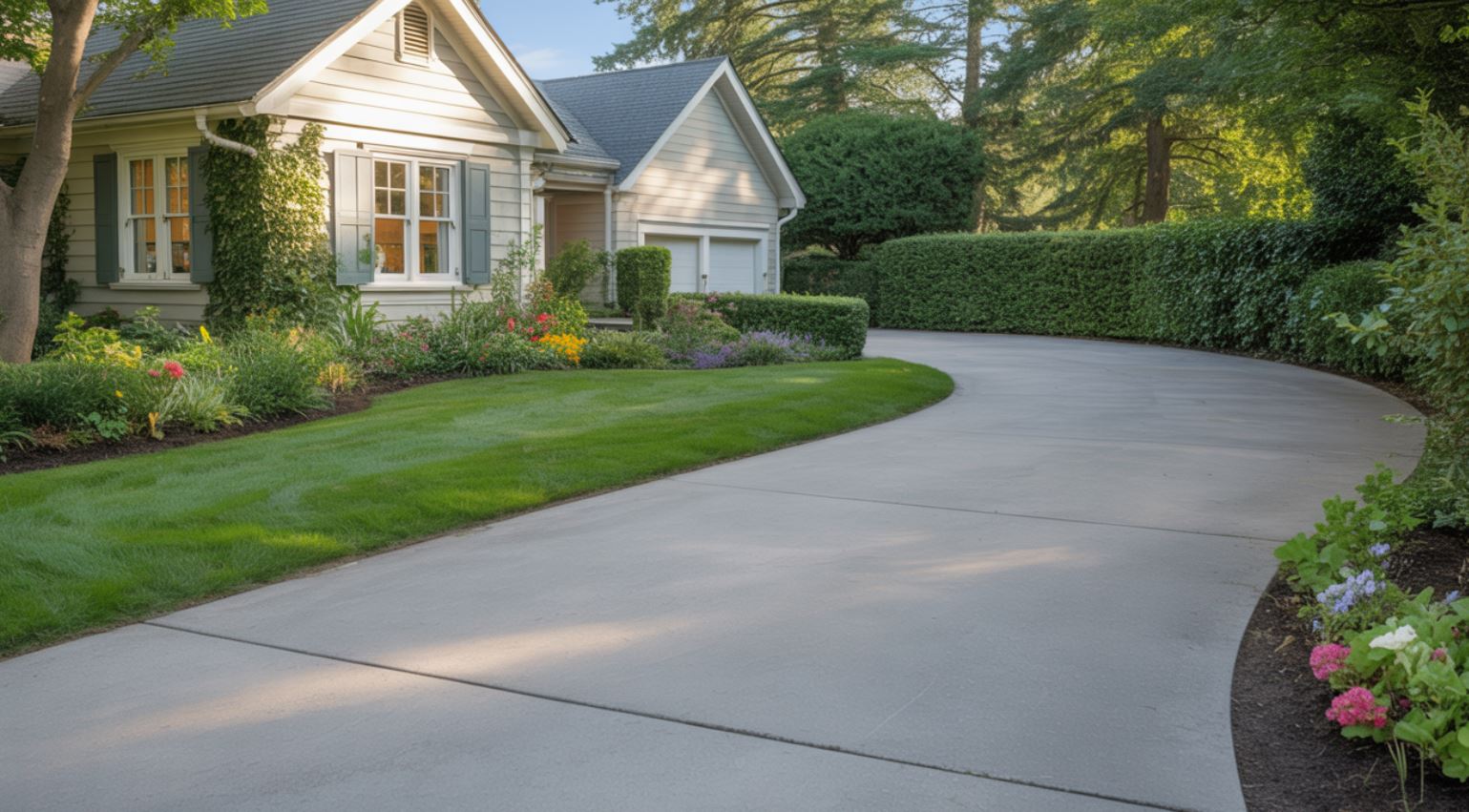

Sealing your driveway can be a rewarding DIY project, allowing you to enhance your home’s curb appeal while potentially saving money. However, you must weigh the benefits against the time commitment and effort required. This post investigates into the pros and cons of sealing your driveway yourself, helping you assess whether the trade-off between time and cost aligns with your personal needs and circumstances.
Understanding Driveway Sealing
What is Driveway Sealing?
Driveway sealing involves applying a protective layer over your asphalt surface, typically using a liquid sealant that penetrates small cracks and creates a barrier against external elements. This process helps maintain the driveway’s appearance and integrity by blocking out moisture, UV rays, and oil spills, thus prolonging its lifespan.
Benefits of Sealing Your Driveway
Sealing your driveway offers numerous benefits, including enhanced aesthetics, increased lifespan, and reduced repair costs. A freshly sealed driveway looks smooth and black, instantly boosting curb appeal. Moreover, regular sealing can prevent the need for extensive repairs, potentially saving homeowners thousands of dollars over time.
In fact, studies show that sealing your driveway can extend its life by up to 15 years compared to untreated asphalt. By sealing the surface every two to three years, you effectively reduce the chances of cracks and potholes forming, which can lead to costly repairs. Additionally, a sealed driveway can resist moisture penetration, making it less susceptible to freeze-thaw cycles, a common issue in colder climates.
Pros of DIY Driveway Sealing
Sealing your driveway yourself offers several advantages that can enhance both your property’s appearance and your wallet. The most significant benefit lies in the cost savings, allowing you to allocate funds elsewhere while still getting the job done. Additionally, taking on this project yourself gives you flexibility and control over the entire process, from selecting materials to determining the timeline that best fits your schedule.
Cost Savings
By sealing your driveway yourself, you can save up to 50% or more compared to hiring a professional. Stores often sell sealing products at accessible prices, with an average sealant costing between $50 to $100 for a typical driveway. Avoiding labor costs not only makes DIY sealing an economical choice but also gives you the opportunity to reinvest those savings into other home improvements.
Flexibility and Control
Undertaking the project yourself allows you to work at your own pace, making it easier to fit the task between other responsibilities. You can choose the best time based on weather conditions, ensuring optimal curing. This control extends to selecting the type of sealant—whether you prefer an oil-based or water-based product, depending on your specific driveway material and desired finish.
Moreover, you have the freedom to tackle repairs or surface preparation as needed. If you discover cracks or damage while sealing, you can address those issues immediately, preventing further deterioration. This level of involvement means your driveway sealing project won’t feel rushed, allowing for a thorough, complete restoration of your driveway that meets your standards.
Cons of DIY Driveway Sealing
While DIY driveway sealing may seem appealing, there are significant drawbacks to consider. The investment of your time and the risk of errors can lead to subpar results, possibly resulting in additional costs in the long run. Evaluating these cons is vital before plunging into the project.
Time Investment
Sealing your driveway is a time-consuming process that involves preparation, application, and drying. Depending on the size of your driveway, you might spend an entire weekend or more tackling the job, not to mention the time spent on gathering materials and cleaning up afterward. This investment can interrupt your schedule, especially if the weather doesn’t cooperate.
Potential for Mistakes
The possibility of mistakes in DIY driveway sealing is significant. Without proper experience, you risk applying an uneven coat, leading to streaks and patches that can detract from your driveway’s appearance. Moreover, using the wrong type of sealant can lessen effectiveness, causing premature wear. If misunderstandings about drying times or application techniques occur, you may end up with a result that necessitates hiring a professional to correct your missteps.
Comparing Costs: DIY vs. Professional Services
| Cost Elements | DIY |
|---|---|
| Material Costs | $100 – $300 |
| Equipment Rental | $50 – $150 |
| Labor Costs | Free (your time) |
| Professional Services | $300 – $800 |
Detailed Cost Analysis
The cost of sealing your driveway yourself typically ranges from $150 to $450, depending on the materials you choose and the size of your driveway. In contrast, hiring professionals can set you back $300 to $800, which includes labor and expertise. Evaluating your specifics will help you assess whether the potential savings of a DIY approach are worth the investment of your time and effort.
Hidden Costs to Consider
While DIY sealing may seem cost-effective, hidden expenses can arise, including the need for repairs, additional materials for preparation, and the potential need for subsequent professional touch-ups.
Additional costs often emerge when you overlook necessary preparations. For instance, if your driveway requires crack filling or surface cleaning, these materials can quickly inflate your initial budget. Furthermore, an improperly sealed driveway might lead to premature deterioration, resulting in more costly repairs down the line. It’s also wise to factor in the value of your time, as an ill-timed DIY project might take longer than expected, further increasing costs when you consider potential consequences of inexperience.
Time Commitment: DIY vs. Professional Services
Estimated Time for DIY
When you choose to seal your driveway yourself, expect to dedicate several hours to the task. On average, preparing the surface and applying the sealant can take anywhere from four to eight hours, depending on the driveway’s size and condition. Additionally, consider the drying time, which can range from 24 to 48 hours before the driveway is ready for use, adding to your overall time commitment.
Time Efficiency of Hiring Professionals
Hiring professionals for driveway sealing maximizes efficiency. A team of experienced contractors can typically complete the job in a fraction of the time it would take you. This is due to their specialized tools, skills, and streamlined processes. Most professionals can finish sealing an average-sized driveway within two to four hours, reducing your wait time significantly.
Moreover, professionals often schedule the work during ideal weather conditions, minimizing delays caused by unforeseen circumstances such as rain. With their expertise, they can assess the best techniques and materials tailored to your specific driveway, ensuring a more rapid and effective application. This quick turnaround means you’re not only saving time but also likely benefiting from a longer-lasting seal that will protect your driveway effectively.
Making the Decision: When to DIY and When to Hire
Factors to Consider
When deciding between DIY and hiring professionals for driveway sealing, evaluate your skills, budget, and time. Consider the size of your driveway, existing conditions, and the quality of sealant you wish to use. Proper preparation and equipment play crucial roles. The project can consume your weekends, or you can hire someone to get it done efficiently. Reflect on these points:
- Cost of materials vs. labor
- Your physical ability and tools available
- Time versus immediate need for sealing
- Willingness to learn and experiment
Thou must weigh these factors carefully before committing to either option.
Personal Preferences and Situations
Your decision may also hinge on personal preferences, such as how much you enjoy DIY projects and whether you value convenience over saving money. If you find satisfaction in hands-on work and have leisure time, DIY could be fulfilling. Conversely, if you prefer a quick and effort-free solution, hiring a professional might suit you better. Additionally, consider any unique circumstances: a busy schedule, a large driveway, or significant wear and tear may sway you towards professional help. Tailor your choice to both your lifestyle and how you value your time versus cost.
Conclusion
The decision to seal your driveway yourself involves weighing the time investment against potential cost savings. While you may save money by opting for a DIY approach, consider the time and effort required to achieve professional results. If you have the commitment and patience, sealing your driveway can be rewarding, but if you seek a quick and reliable outcome, hiring a professional may be the better choice. Evaluate your resources and priorities to determine the best path for maintaining your driveway’s longevity.