


With planning and execution, understanding the time it takes to paint a room can enhance your painting experience. Factors such as room size, preparation work, and the painting technique you choose all influence the overall duration. By assessing your space and gathering the right tools, you can estimate how long the project will take, ensuring you allocate enough time to achieve a professional finish.
Factors Affecting Painting Duration
When estimating how long it takes to paint a room, several factors can significantly impact the overall duration. Consider the following elements:
- The complexity of the room layout
- The number of windows and doors
- Preparation work needed
- The experience level of the painter
- Drying times between coats
This understanding will help you better gauge your painting timeline.
Room Size
Your room size plays a pivotal role in the time it takes to complete a painting project. Smaller rooms may only require a few hours, while larger spaces can extend over a full day or more. For instance, painting a standard-sized bedroom could take about four hours, while a living room may demand eight to ten hours, especially if you include preparation and drying times in your plan.
Type of Paint Used
The type of paint you choose can affect both the application process and drying times. Latex paints typically dry faster and are easier to work with, while oil-based paints generally take longer to apply and cure fully. Moreover, finishes like satin or gloss can require additional attention during application, impacting the overall timetable for your project.
For instance, if you opt for a high-gloss paint, anticipate extra time not just for application but also for the meticulous prep work needed to achieve a smooth finish. The drying time between coats can stretch out significantly, making careful planning vital. If you’re in a hurry, select a quick-dry latex paint, as it can cut down the time needed for successive coats, helping you complete your project more efficiently.
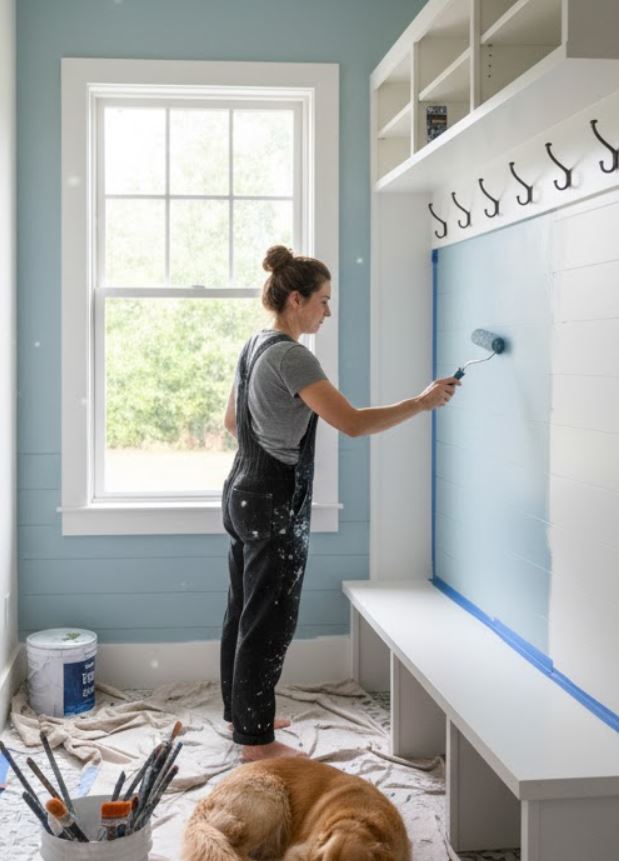
Preparation Time
Preparation time is imperative to achieving a flawless paint job, often taking several hours or even a day depending on your space. Thorough preparation not only makes the application easier but also enhances the longevity and appearance of your paint. By investing time upfront, you reduce the risk of errors and ensure better results.
Cleaning and Repairing Walls
Start by cleaning your walls to remove dirt, grease, and dust that can hinder adhesion. Use a mild soap and water solution for this process. Inspect for cracks or holes; patch them with spackle or joint compound for a smooth finish. A well-prepared surface makes a significant difference in how the paint looks once applied.
Gathering Supplies
Before you start painting, gather all necessary supplies to streamline your process. You will need paint, brushes, rollers, painter’s tape, drop cloths, and a tray for easy paint application. Having everything on hand prevents interruptions and allows you to focus on your project without wasting time searching for tools mid-job.
Your paint supplies should match the scope of your project. For example, if you’re painting a large room, consider purchasing a paint roller for quicker coverage. Select high-quality paintbrushes to achieve better detail, especially around edges and trim. Additionally, investing in quality painter’s tape ensures cleaner lines and prevents paint bleed, which saves time on touch-ups later. Having a mix of small and large rollers can help you cover different wall textures more effectively, enhancing your overall efficiency.
Painting Techniques
Different painting techniques can dramatically affect your project’s efficiency and outcome. Choosing the right method not only influences the finish but also the time it takes to complete the task. Understanding the strengths and weaknesses of each technique will help you select the one best suited to your needs and skill level.
Brush vs. Roller
Using a brush versus a roller depends on the specific areas you’re painting. Brushes are ideal for precise work, like cutting in along edges and trim, while rollers cover larger surfaces more quickly. If speed is important, rollers can help you finish the job in half the time, but for detailed areas, you’ll need a steady hand with a brush.
Spray Painting
Spray painting offers a fast and smooth finish, often reducing the application time significantly. This method is particularly effective for large areas or intricate designs, allowing paint to reach into crevices that brushes and rollers may miss. However, it requires careful preparation to mask off areas, and you should always consider proper ventilation and protective gear.
When opting for spray painting, you can expect to cover surfaces quickly, often completing a room in one to two hours. For best results, maintain a consistent distance from the surface and use even strokes to avoid drips and uneven coverage. Take into account the drying time between coats, which can be shorter than with traditional methods, allowing you to layer paint efficiently. Consider using a high-quality sprayer for larger projects, as this can elevate both your speed and the final appearance of the painted surface.
Drying Times
Drying times can significantly impact the overall timeline of your painting project. It’s vital to consider both the time it takes for the paint to become touch dry and the full curing time, which varies by paint type and environmental conditions.
Between Coats
When applying multiple coats, you typically need to wait a few hours between coats for latex paint, while oil-based paint may require up to 24 hours. Factors like humidity and temperature can adjust these times, so always check the manufacturer’s recommendations.
Final Drying
Final drying usually refers to the time you should allow the paint to fully cure before moving furniture back in or hanging pictures. This can range from one week to over a month, particularly with oil-based paints. Ensuring optimal air circulation and consistent temperature can enhance this drying period.
For the best results, you can minimize disruptions to your newly painted space. Avoid heavy traffic and refrain from cleaning the walls for the first couple of weeks, allowing for complete curing. This extended drying time ensures your investment looks pristine and lasts longer, as paint that hasn’t cured fully can chip or peel easily.
Estimating Total Time
Estimating the total time to paint a room involves considering several factors, including preparation, painting, and drying times. The size of your room, the condition of the walls, and your chosen painting method all play a role. While a small room may take just a few hours, larger spaces could require a full day or weekend, especially if you opt for multiple coats or need to address significant wall imperfections.
Single Coat vs. Multiple Coats
Deciding between a single coat or multiple coats will significantly impact your overall time commitment. One coat may suffice for light colors over previously painted walls, allowing for quicker completion. However, darker shades or surfaces in need of more coverage generally require at least two coats, extending your project time by several hours due to additional drying and painting periods.
Professional vs. DIY
Choosing to hire professionals versus tackling the job yourself can greatly influence your timeline. Professionals typically work with speed and efficiency, often completing a room in a fraction of the time it takes a DIYer. They bring experience, making them adept at predicting challenges and expediting preparation and painting phases.
When deciding between hiring professionals and going the DIY route, consider your skill level and availability. Professionals can finish jobs quickly and may offer warranties on their work, but if you choose to paint yourself, you may benefit from a more flexible schedule and cost savings. Keep in mind that while you can save money by painting yourself, be prepared for potentially longer completion times, especially if you lack experience or must take breaks between coats for drying. Ultimately, the choice depends on your priorities, be it time efficiency or budget constraints.
Tips for Efficient Painting
- Prep your space by moving furniture and laying down drop cloths.
- Choose quality tools to reduce the likelihood of errors.
- Work during optimal hours for natural light.
- Consider doing a second coat only if necessary to save time.
- Know your paint’s drying times and plan accordingly.
Knowing these strategies can streamline your painting process and yield a professional-looking finish.
Planning and Scheduling
Effective planning and scheduling are vital for a smooth painting project. Set aside enough time for each phase, including preparation, painting, and drying. Create a timeline that accounts for multiple coats and drying times. Aim to tackle the project on weekends or days off when you can devote uninterrupted time. This ensures thorough attention to detail and minimizes disruptions.
Helpful Tools and Resources
Utilizing the right tools and resources can enhance your efficiency and results when painting. Invest in high-quality brushes, rollers, and painter’s tape to achieve clean lines and even coverage. To aid planning, utilize online calculators that estimate paint quantities. Instructional videos can also provide visual guidance on techniques and tips, ensuring you tackle the job confidently.
In addition to crucial tools, consider apps designed for color selection and visualization. Some tools allow you to see how different shades will look in your space before you commit. These resources not only help you make informed choices but also save time by avoiding costly mistakes. High-quality brushes, rollers, and painter’s tape help you achieve clean lines and even coverage, while online calculators aid in estimating paint quantities efficiently.
Conclusion
To wrap up, the time it takes to paint a room depends on several factors, including the room’s size, the complexity of your design, and your painting experience. Generally, you can expect to spend anywhere from a few hours to a couple of days on the project. Proper preparation, such as cleaning and taping, can help ensure a smoother and quicker painting process, allowing you to enjoy your newly transformed space sooner.