
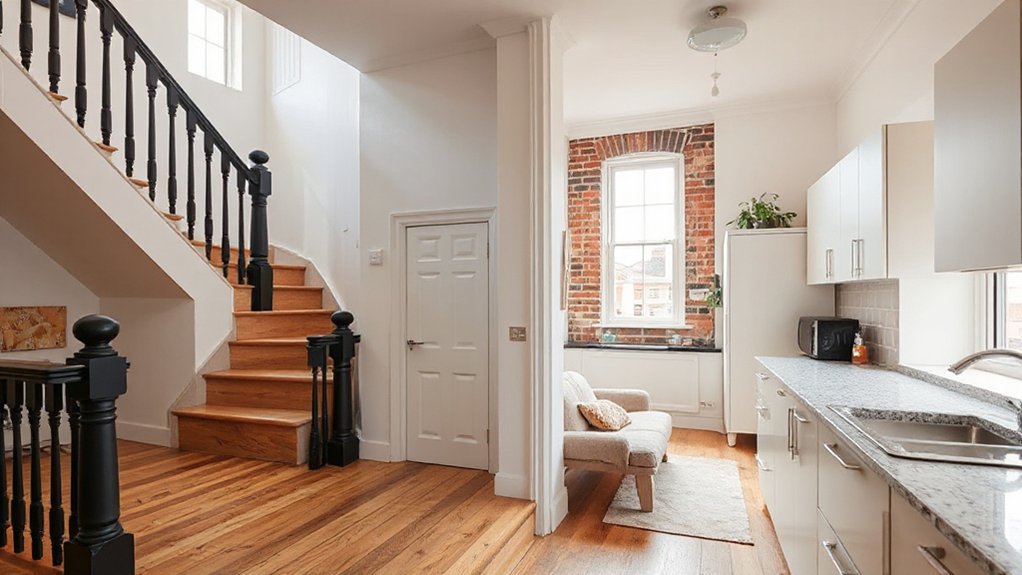

Think of a familiar street you know well—the kind that wears its history in brick and plaster—and imagine updating one home without blowing the budget. You’ll map out quick wins first, like LED lighting, draft-proofing, and fresh neutral paint, then tackle DIY touches that add character without costly refurbishments. You’ll keep it practical and local, sourcing thrifted finds and lightweight upgrades that pay back. Ready to plan your moves, source smartly, and schedule work to minimize disruption? The key is in the details that suit a Liverpool terrace.
Assess Your Liverpool Terrace: Layout Constraints and Opportunities

Begin by taking a clear look at your terrace’s layout: note every wall, doorway, and window, plus any structural elements that can’t move. You’ll map load paths, consider stair positions, and identify potential openings without compromising stability.
Assess room sizes, ceiling heights, and natural light flows to spot opportunities for reconfiguring circulation and sightlines. Track services—trunking, plumbing, and electrical runs—to understand what can be moved or rerouted with minimal disruption and cost.
Throughout, weigh constraints against your goals so you don’t chase impractical changes. Use this step to ground decisions in architectural history and local heritage, ensuring any alterations respect the terrace’s character.
Document findings, sketch simple layouts, and prioritize high-impact, low-cost tweaks that fit your budget.
Phase 1: Quick Wins and High-Impact Upgrades on a Budget
Phase 1 focuses on quick wins that deliver noticeable gains without breaking the bank. You’ll target high-impact upgrades that don’t require major trades or demolition.
Start with lighting: swap old fittings for energy-efficient LEDs, add dimmers, and install task lighting in kitchens and work areas to transform ambiance with minimal cost.
Tackle paint strategically—bright, neutral walls reflect light and refresh spaces quickly.
Improve door seals and draft-proofing around windows to cut phantom heat loss; modest weatherstripping yields immediate comfort and savings.
Prioritize structural integrity by inspecting ceilings for sagging plaster, checking floorboards for looseness, and tightening joists where visible.
Balance heritage-conscious choices with modernization; preserve character through period-appropriate finishes while ensuring safe, durable surfaces.
Historical preservation remains important, yet practical upgrades drive visible results.
Create a Cohesive Liverpool Character With Affordable Choices
To create a cohesive Liverpool character on a budget, focus on a few signature moves that celebrate local flair without overhauling the whole place. You’ll blend practical touches with affordable design, letting character drive value and comfort.
Use consistent palette, local textures, and purposeful accents to build a unified feel.
- Emphasize Liverpool charm with a few bold, signature pieces rather than a full renovation.
- Choose affordable design elements that echo St. George’s Hall or the riverfront, like calibrated wallpapers and modular furniture.
- Tie spaces together with repeated motifs, colours, and hardware for a coherent look that’s easy to maintain.
DIY, Thrifted Finds, and Energy Tweaks That Pay Back
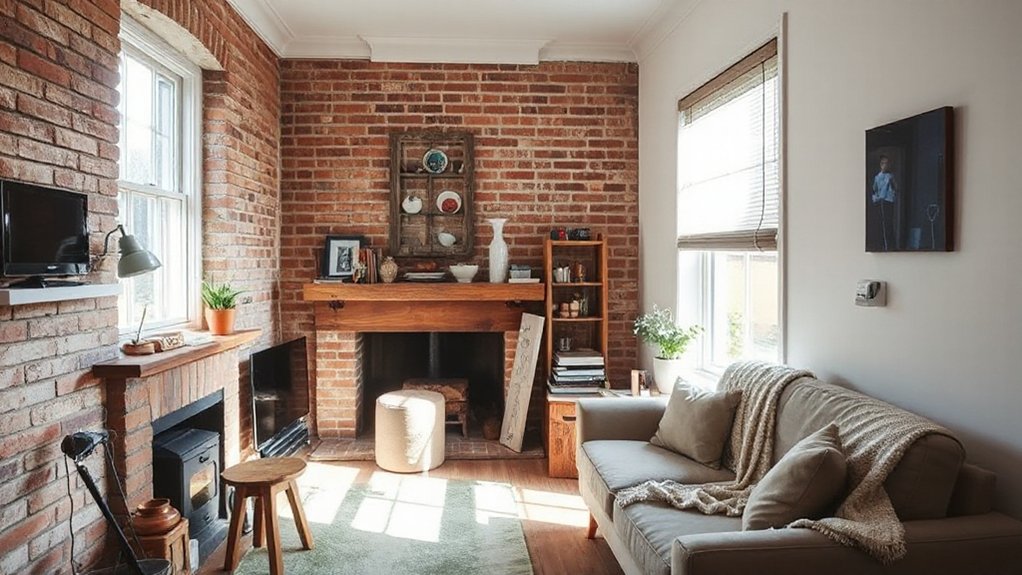
If you’re aiming to modernise on a budget, start with DIY tweaks, thrifted finds, and energy-focused upgrades that pay for themselves over time. You’ll prioritise practical gains: simple upcycling furniture to refresh worn pieces, installing mechanicals with efficiency in mind, and choosing vintage lighting that delivers warm ambience without blowing budgets.
Refinish a sideboard with chalk paint, add new hardware, and seal surfaces to extend life and reduce replacement costs. Seek thrifted mirrors and task lamps to brighten rooms without new fittings.
Optimize energy by weather-stripping doors, switching to LED bulbs, and sealing draughts around windows. Track costs and savings to verify payback periods; small, intentional changes accumulate into a noticeably modern feel without overspending.
Plan, Source, and Schedule Your Modernisation Roadmap
Start by translating your budget and goals into a concrete plan: map out the rooms to tackle, the upgrades to make, and the order that minimizes disruption and cost. You’ll build a roadmap that respects Historical preservation while prioritizing high-impact changes. Source locally where possible to support Neighborhood integration and keep lead times predictable. Create a timeline with milestones, cost estimates, and decision checkpoints to avoid scope creep.
- Catalog constraints, permits, and materials, aligning with historical guidelines and local suppliers.
- Build a sourcing plan that prioritizes durable, budget-friendly options with clear warranty terms.
- Schedule work blocks to minimize trades overlap, stagger disruptions, and protect existing finishes.
Frequently Asked Questions
What Financing Options Suit Short-Term Terraced Renovations in Liverpool?
You should consider short-term options like personal loans, credit cards with 0% intro APR, and a renovation-specific loan; compare rates, fees, and payback timelines. Prioritize Home security and Interior lighting to protect value and comfort, cost-consciously.
How Can I Legally Modify Party Walls or Shared Spaces Locally?
Yes, you’re legally allowed to modify party walls only after obtaining a party wall agreement and adhering to shared space regulations. You’ll document notices, negotiate costs, and keep renovations compliant, practical, and cost-conscious throughout every permitted step.
Which Local Suppliers Offer Affordable, Period-Appropriate Fixtures?
Local suppliers offer affordable period fixtures, so you’ll find options that fit your budget. Compare finishes, sizes, and delivery costs, and negotiate bulk discounts. Prioritize durable, period-appropriate pieces to minimize future maintenance and maximize long-term value.
What Permits or Restrictions Affect Energy Upgrades in Terraces?
Around 60% of listed terraces require planning permissions for significant energy upgrades, so you’ll need to check Historic conservation guidelines and secure approvals. You must document changes, adhere to Historical conservation standards, and budget for permits, inspections, and timelines.
How Long Will Typical Quick-Win Upgrades Realistically Take?
Quick-win upgrades typically take days to a few weeks, depending on scope. You’ll need meticulous Budget planning, factoring permitting delays and contractor timelines, while addressing Historical preservation constraints to avoid costly overruns and keep momentum steady.
Conclusion
You’ll finish stronger, faster, cheaper when you plan, source, and schedule with purpose. Plan practical priorities, plan practical budgets, plan practical timelines. Source locally, source thrifted, source smart—save money, save time. Upcycle, repaint, refit lights—achieve impact with minimal outlay. Stay consistent, stay patient, stay adaptable—adjust costs, adjust ambitions, adjust milestones. Measure progress, monitor spend, measure satisfaction. You’ll create a modern Liverpool vibe, you’ll celebrate local character, you’ll do it affordably, you’ll do it responsibly.