
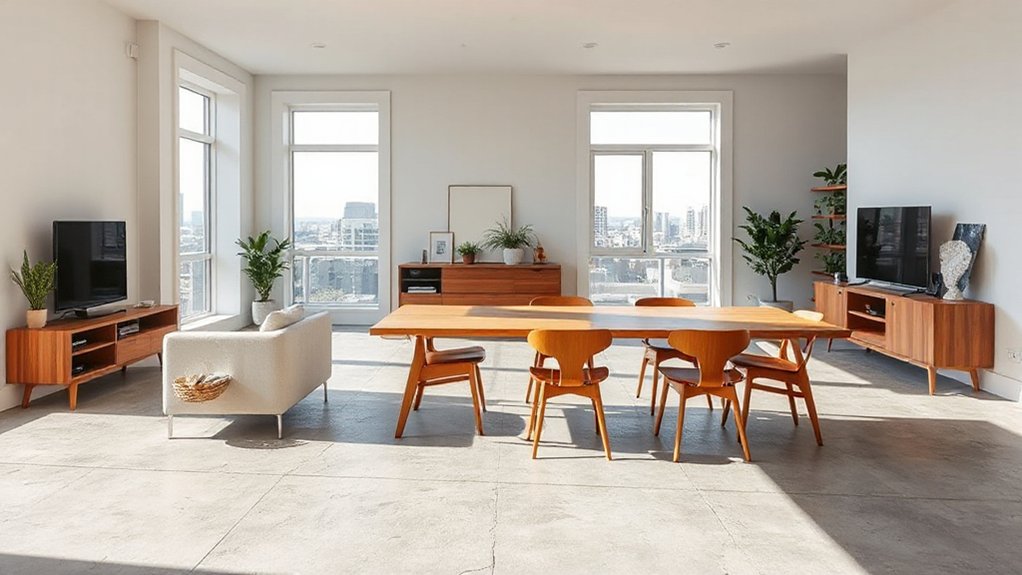

If you’re modernising a new‑build on a budget, start with a clear plan and strict priorities. Focus on durable, low‑maintenance finishes, practical lighting tweaks, and smart tech that saves money. Seal gaps, insulate well, and choose affordable ventilation. Then chart a path for cohesive colour, materials, and texture so every upgrade counts toward long‑term value. You’ll build a stylish, efficient home without overspending, but the best moves come next—let’s map them out.
Define Your Modernisation Plan in 5 Practical Steps
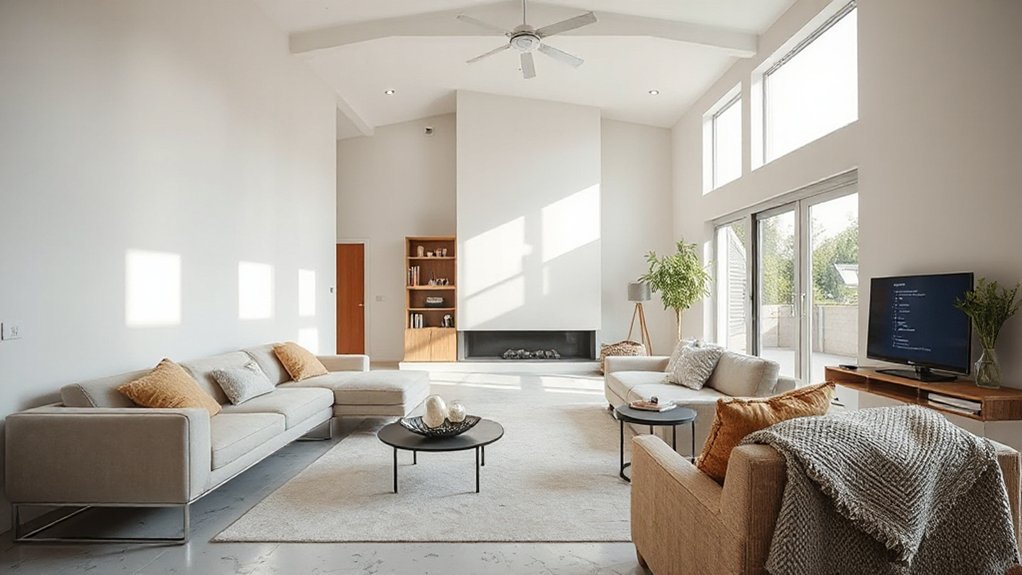
To define your modernisation plan, start with a clear vision and concrete goals. You map the project to real needs, not wishful thinking, so you stay focused.
Identify current limitations and future functions, then translate them into specific outcomes and timelines.
Prioritize actions that release efficiency, comfort, and durability, and separate must-haves from nice-to-haves.
Choose Smart technology that integrates with your lifestyle, ensuring simple, reliable control and measurable savings.
Select eco-friendly materials that align with maintenance expectations and environmental standards, avoiding gimmicks.
Create a documentation pack: scope, budget, milestones, decision criteria, and risk checks.
Schedule regular reviews to track progress, adjust priorities, and maintain momentum.
Conclude with a clear, actionable roadmap you can share with stakeholders and contractors.
Prioritise Core Upgrades That Maximise Return
Start with core upgrades that add the most value, rather than chasing every trend. Prioritise improvements that boost resale value, like efficient systems and durable finishes, so your investment pays off later.
Make budget-smart decisions by weighing cost against potential return to keep the project tight and impactful.
Core Upgrades First
If you want the biggest return on a new-build upgrade, focus on core systems first. Prioritising these gives fast wins and tangible comfort, while keeping costs tight.
You’ll notice reliability, efficiency, and modern convenience scale quickly when you start here, before trimming cosmetic fixes. Choose upgrades that boost daily living and long-term value.
- Upgrade to a smart home backbone for lighting, climate, and security—simple integration yields big payoff.
- Improve HVAC efficiency with smart zoning, better insulation, and durable, low-maintenance equipment.
- Swap to sustainable materials in critical areas—think low-VOC paints and durable flooring for longevity.
- Invest in smart meters and efficient appliances to slash ongoing utility bills and appeal to future buyers.
Maximise Resale Value
Prioritise core upgrades that drive resale value, and you’ll see a bigger bump for less investment. You’ll want efficiency, durability, and broad appeal that lasts beyond trends. Focus on fundamentals: solid HVAC performance, updated kitchen fixtures, and reliable plumbing. These changes reduce risk for future buyers and justify a higher asking price.
Pair practical improvements with neutral, durable finishes to attract a wide audience. Outside the home, garden landscaping adds curb appeal without overhauling the structure, while well-placed outdoor lighting extends usability and highlights key features.
Keep costs predictable: compare midrange options, install with future maintenance in mind, and document improvements for the sale. Avoid bespoke, high-risk upgrades that don’t return value, and concentrate on lasting, universally appealing enhancements.
Budget-Smart Decisions
Moving from building value to saving you money, focus on core upgrades that deliver the biggest return. You’ll make smarter choices by tightening budget planning and tightening material selection, so every dollar counts.
- Prioritize kitchen and bathroom essentials that modernize impressions without overhauling layouts.
- Choose durable, cost-effective materials with timeless appeal to reduce replacement cycles.
- Invest in lighting and finishes that brighten spaces and feel premium without premium prices.
- Plan phased updates aligned with resale windows, avoiding unnecessary upgrades now.
Choose Durable, Low-Maintenance Finishes
Choosing durable, low-maintenance finishes starts with selecting materials that resist wear and weather without constant upkeep. You’ll prioritize products with proven longevity, easy cleaning, and resistance to dents, stains, and fading.
Look for hard-wearing surfaces like porcelain, quartz, and solid-core laminates for counters and floors, plus low-maintenance coatings for walls and cabinetry. Prioritize finishes that don’t require frequent refinishing or repainting, reducing ongoing costs and disruption.
Consider eco-friendly materials and manufacturers that offer recycled content or responsibly sourced options, aligning with sustainable design goals. Choose finishes with low VOCs, simple maintenance routines, and warranties that support long life.
Plan around a cohesive palette and texture mix to avoid over-embellishment, ensuring a durable, timeless look that stays attractive with minimal effort.
Maximise Light and Space on a Budget

To maximise daylight on a budget, prioritise light-coloured walls, strategic mirror placement, and minimal window dressings to keep openings open.
Use open-plan layouts and clear sightlines to create a sense of space and visual flow.
Track inexpensive upgrades that boost daylight efficiency, like reflective surfaces and proper lighting zoning, and discuss what works best in your plan.
Maximise Daylight Efficiently
Maximising daylight on a budget starts with smart placement and simple fixes. You’ll get more natural lighting by prioritising window placement that drains less light loss and spreads it evenly. Use reflective surfaces and lighter interior tones to amplify what you have, without major demolition. Keep sightlines clear and avoid clutter that blocks morning and afternoon sun.
- Assess room roles and orient windows to leverage natural lighting
- Choose glazing that balances heat, glare, and brightness
- Add mirrors and light-coloured finishes to reflect daylight
- Minimise heavy drapery; opt for sheer or top-down shades
With thoughtful layout tweaks, you gain brightness, and you’ll feel more open and energized—without overspending.
Create Open Visual Flow
Open sightlines and uncluttered spaces make a room feel larger. To create open visual flow, remove unnecessary partitions and opt for furniture that mirrors the room’s width, not its height.
Use built-in storage and floating shelves to hide clutter while preserving surface points. Choose a light, cohesive palette and limit patterns to keep eyes moving freely.
Position key furniture along natural paths to guide movement and maximize perceived space. Integrate indoor plants at varying heights to soften edges without crowding corners, and use smart lighting to enhance depth—layer ambient, task, and accent beams that don’t pool on walls.
Avoid heavy contrasts; aim for uniform luminance. Finally, test sightlines from entry points, adjusting rugs and seating until flow feels intuitive and calm.
Boost Energy Efficiency Without Raising Costs

Start with airtight basics: seal gaps around doors and windows, then upgrade insulation in walls and roof to cut heat loss without ballooning bills. You’ll feel the impact quickly when drafts disappear and steady warmth returns, even on a budget.
Focus on small, high-return fixes first, then scale with intention. Use smart ventilation to maintain air quality without losing heat, and consider renewable energy options as sensible adders when feasible.
Keep decisions local, cost-aware, and measurable so you can track savings.
- Seal gaps and install weatherstripping to prevent drafts.
- Boost attic and wall insulation for consistent temperatures.
- Install a smart ventilation system to balance air quality and energy use.
- Explore small-scale renewable energy like solar panels when budget allows.
Refresh Cabinets and Built-Ins for a Modern Look
You can refresh cabinets and built-ins without a full reno by focusing on simple, high-impact changes: swap out dated hardware, trim and paint or stain to brighten the space, and replace or refinish doors and fronts rather than buying new cabinetry.
Begin with hardware updates—modern pulls or knobs dramatically lift the look with minimal cost. For a cohesive feel, choose a single finish: a light stain, crisp white, or a bold color on doors while keeping frames neutral.
Cabinet repainting is a fast, durable option when you want a uniform, fresh surface. Consider built-in refinishing for built-ins like shelves, trim, and panels to tighten lines and reduce visual clutter.
Seal surfaces to resist moisture and fingerprints, ensuring lasting, modern appeal.
Nail Flooring, Skirting, and Built-In Details
1) Choose one plank width and match skirting height for uninterrupted flow.
2) Use hidden nails or tonal fasteners to minimize visibility and keep lines crisp.
3) Align built-ins with surrounding features to reinforce a deliberate look.
4) Select durable finishes that resist wear while preserving warmth and character.
Add Smart, Cost-Effective Tech and Controls
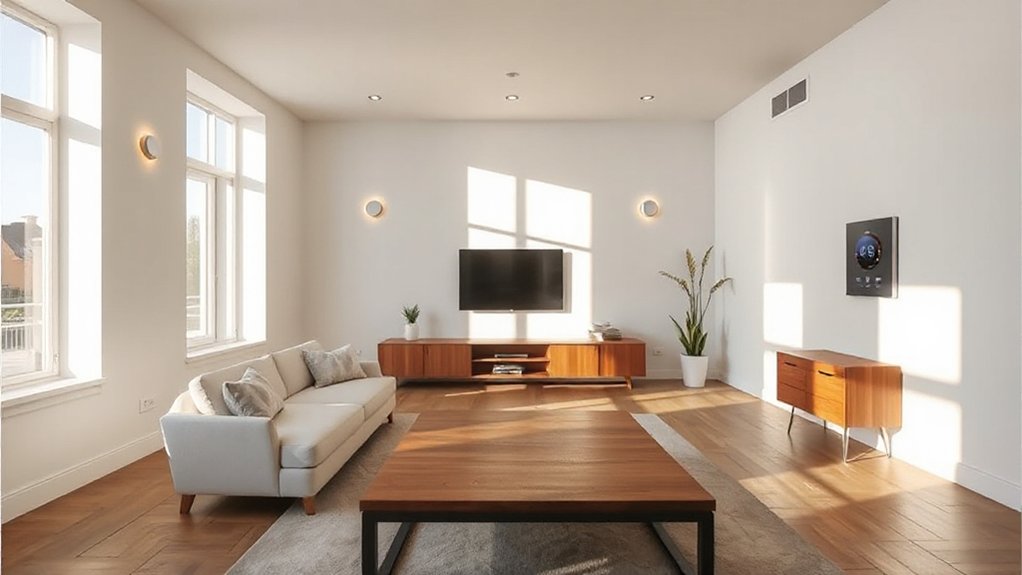
Smart, cost‑effective tech should enhance daily living without complicating it. You can add practical controls without overdoing it. Start with smart thermostats to optimize comfort and energy use; choose models that learn routines and work with your boiler or heat pump.
Pair them with simple occupancy sensors so heating and cooling respond to when you’re home or away. For security, invest in affordable security options like door sensors and a wireless camera that integrates with your hub.
Keep wiring minimal and use battery-powered or plug-in devices where possible. Prioritize devices that share a single app for ease of use and future upgrades.
Avoid overloading networks with too many gadgets; pick essential, scalable solutions that you’ll actually use daily.
Create Cohesion With Colour, Materials, and Texture
To create cohesion, start by selecting a unifying palette and material story that runs through every room. You’ll build a flow from tone to texture, ensuring Color harmony and Texture layering feel deliberate, not accidental. Choose a core wood or stone, a reliable neutral, and a metal accent that repeats in trim, fixtures, and textiles. Keep contrasts subtle to avoid chaos and maintain calm, cohesive spaces.
- Pick 2–3 key hues and repeat them across walls, cabinetry, and accessories.
- Layer textures with matte finishes, woven fabrics, and tactile surfaces for depth.
- Use consistent metal tones in hardware and lighting to unify details.
- Limit pattern scale so the eye travels smoothly through rooms.
Plan for Long-Term Value: Maintenance and Resale Impact
A solid long-term maintenance plan protects your investment, keeps costs predictable, and supports steady resale value.
Look for durable, low-cost upgrades that reduce ongoing upkeep and appeal to future buyers.
Start with a clear schedule and budget that cover essentials while leaving room to adapt as needs change.
Long-Term Maintenance Plan
Establishing a long-term maintenance plan protects your investment by preventing small problems from becoming costly repairs, preserving performance, efficiency, and resale value.
By scheduling routine checks, you catch wear early and allocate budget predictably, keeping systems dependable and energy efficient.
Prioritize tasks that protect core comfort, like climate control seals, roof integrity, and moisture barriers, while aligning with landscape design to prevent drainage issues.
Maintain smart storage solutions to reduce clutter that hides leaks or pests.
A clear calendar reduces surprises and extends equipment life, preserving peak comfort without overspending.
1) Create a 12-month maintenance calendar that tracks inspections and filter changes.
2) Prioritize proactive upgrades that improve efficiency and resilience.
3) Document repairs and costs to guide future decisions.
4) Review plans annually to adapt to aging components and evolving needs.
Resale Value Considerations
Resale value hinges on consistent maintenance and visible resilience; when you prioritize proactive upkeep, buyers see a well-managed home that promises fewer surprises and lower immediate costs.
You can frame long‑term care as a feature, not a burden, by documenting repairs, warranties, and service histories. Highlight materials and systems with durability and warranty coverage, and keep records organized for quick investor review.
Historical context matters: homes with transparent maintenance trails tend to retain value better in markets that reward reliability.
Be mindful of Market trends; align updates with what buyers expect now—efficient insulation, durable finishes, soundproofing, and reliable plumbing.
Regular upkeep signals resilience, minimizes negotiation discounts, and steadies resale timing, helping you secure a steadier return when you decide to move.
Durable, Low-Cost Upgrades
1) Choose affordable upgrades that replace fragile components with durable, low-maintenance options.
2) Prioritize sustainable materials for longevity and environmental impact, not just initial price.
3) Invest in weatherproofing and insulation to cut energy bills and extend asset life.
4) Opt for modular, upgradable finishes that stay current without costly overhauls.
These steps create a resilient shell you can enjoy now while preserving value for later.
Think long term, stay disciplined about budget, and document every durable decision for resale clarity.
Frequently Asked Questions
How to Budget for Unexpected Renovation Costs Without Derailment?
Yes—set a 10–15% contingency, monitor every cost, and track changes daily. DIY tips save money, but hire smartly; compare quotes, verify scope, and confirm timelines. For contractor selection, demand references and hold firm on your budget.
Which Upgrades Deliver the Best Long-Term Resale Value?
Smart technology and eco-friendly upgrades deliver the best long-term resale value. Think of a smart thermostat as your cat burglar alarm—quietly saving money while you breathe easy. You’ll boost appeal, efficiency, and futureproofing for buyers.
What Are Affordable, Durable Materials for High-Traffic Areas?
You should choose durable, affordable options like laminate with water-resistant cores or luxury vinyl plank; they’re robust for high traffic. Eco friendly options include bamboo or cork, and textured finishes add grip while concealing wear.
How Can Lighting Changes Alter Room Perception on a Budget?
Smart bulbs and mood lighting can transform rooms on a budget. You’ll feel larger spaces with cooler tones and cozier corners with warmer hues, while dimming and scheduling save energy, making functionality plus ambiance your daily priority.
What Maintenance Plan Keeps Modern Finishes Looking Fresh Long-Term?
Banish clutter, then schedule regular upkeep—clean, seal, and inspect finishes every season. You’ll protect decorative accents and smart technology with durable cleaners, moisture control, and proactive recalibration, ensuring a fresh, modern look that lasts beyond trends.
Conclusion
As you finish the plan and start the upgrades, one choice could tilt the whole project toward lasting value. You’ll seal gaps, brighten spaces, and swap fleeting trends for durable finishes and smart controls. Imagine the first morning in a calmer, cheaper-to-maintain home—the glow of selective lighting, the quiet efficiency, the subtle cohesion. The suspense isn’t in the reveal, but in knowing every small decision quietly compounds, securing comfort, style, and resale strength for years to come.