
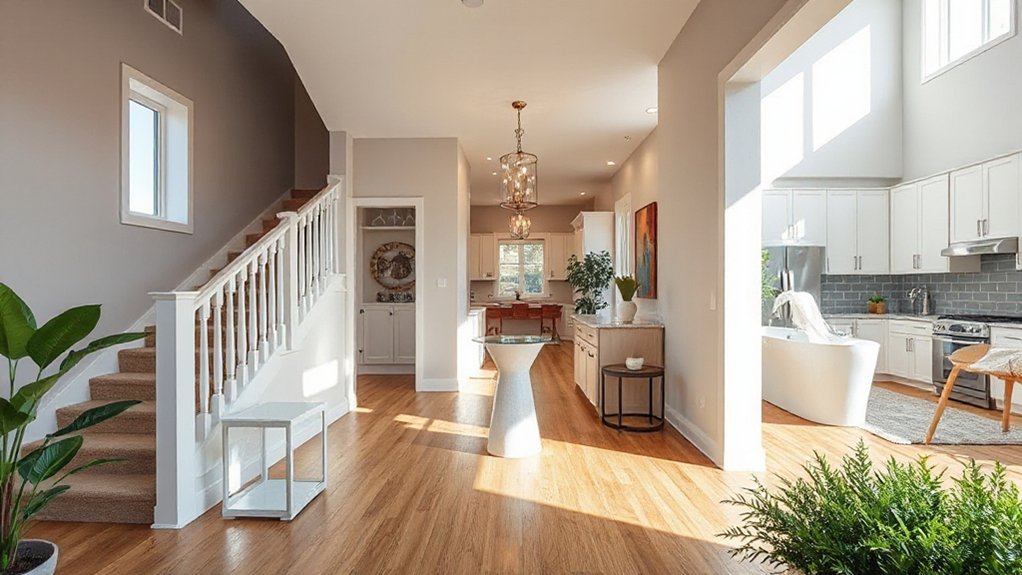

You may not realize how small tweaks in a townhouse can yield disproportionate offers, like upgrading a kitchen faucet or adding under-cabinet lighting that changes perceived space. You’ll want a clear plan that prioritizes high-ROI moves, tight budgets, and fast timelines, so you don’t chase trends. Start with curb appeal, neutrals, and durable finishes, then map out staging and storage upgrades that buyers notice first—because the right sequence keeps bids competitive and confidence high.
Pinpoint Townhouse Upgrades With the Strongest ROI

When you’re prioritizing townhouse upgrades, focus on improvements that deliver the strongest return on investment. You’ll want projects that buyers notice quickly and value in resale, not just comfort.
Begin with cosmetic updates that feel fresh—paint in neutral tones, upgraded lighting, and modern hardware. Target high-visibility areas: kitchens and baths, where smart storage and durable finishes matter.
Consider flooring upgrades in living and entry zones, balancing cost with longevity. Guarantee structural integrity and energy efficiency—insulation, windows, and sealing—so monthly costs appeal to future owners.
Factor in Historical preservation when relevant, preserving character without hampering future updates.
Leverage Neighborhood amenities in your strategy: walkability, parks, and nearby services boost perceived value.
Choose upgrades that scale well with price bands to maximize appeal across buyers.
Set a Realistic, High-Impact Renovation Budget
1) Establish a hard overall cap based on comparable sales and pre-listing feedback.
2) List must-have upgrades first, then nice-to-haves, routing decisions through budget limits.
3) Confirm financing options and timing before contracts, so renovation financing supports your schedule without delaying marketing.
Boost Curb Appeal in a Small Townhouse Footprint
Boost curb appeal starts with sharp, market-driven choices that maximize impact in a small townhouse footprint. You’ll prioritize a cohesive, low-profile exterior that reads as polished from the street.
Start with the entry: paint the door in a bold but compatible color, install a concise house number, and add a simple door mat that signals welcome.
Landscaping ideas should frame the facade without crowding: compact evergreens, clean flower beds, and a defined path. Keep materials consistent—brick, siding, or stone—so the eye travels smoothly.
Exterior lighting matters: install wall sconces flanking the door, plus a discrete path light to guide visitors at dusk.
Trim overgrowth, remove excess ornaments, and make sure gutters are clean for instant, 24/7 curb-appeal reliability.
Refresh Walls and Ceilings With Smart, Durable Colors

Color choices matter more than you might think in a townhouse, and the right palette can dramatically improve perceived space and resale value. You’ll refresh with durable, low-maintenance hues that hide wear while feeling fresh. Opt for breathable, washable finishes to handle high-traffic walls and kids’ fingerprints without frequent touch-ups. Use color psychology to pick tones that calm living areas and energize kitchens, while keeping resale in mind.
1) Choose light neutrals for walls to maximize openness, paired with slightly warmer whites on ceilings to reduce harsh contrasts.
2) Pick satin or eggshell finishes for living spaces and semi-gloss for kitchens and baths to balance durability with reflectivity.
3) Test color samples at multiple times of day to confirm true tone before committing.
Upgrade Lighting to Lift Mood and Value
Upgrading your lighting can transform both mood and market appeal, and it’s one of the most cost-efficient upgrades you can make in a townhouse. Begin with layered lighting: ambient, task, and accent fixtures that balance brightness with warmth.
Choose a unified color temperature around 2700–3000K for coziness, and add dimmers to control mood and energy use. Prioritize sources with high CRI to reveal true colors in living areas and kitchens.
Focus on task lighting in kitchens, foyers, and bathrooms to reduce clutter and improve usability. Update ceiling fixtures in key rooms to modern styles that align with your finishes.
Install discreet under-cabinet lighting to elevate perception of space. Thoughtful lighting design supports mood enhancement and buyer confidence without overhauling structure.
Kitchen on a Budget: High-Impact Improvements
Ever thought you could dramatically upgrade a kitchen without breaking the bank? You can, with targeted changes that buyers notice in minutes and value in days. Focus on high-ROI upgrades that don’t require full remodeling, and pair them with smart styling for impact. Think durable surfaces, efficient hardware, and refreshed color cues that echo fresh exterior painting and garden landscaping around the home, creating a cohesive, well-presented property.
- Swap cabinet hardware and seals for a refreshed look while preventing wear.
- Refresh countertops or add durable laminate with a modern edge, paired with bright backsplash.
- Improve lighting and declutter counters to emphasize space and flow.
These steps deliver appetite appeal, stay budget-conscious, and align with market expectations.
Modernize Bathrooms With Efficient, Low-Cost Updates
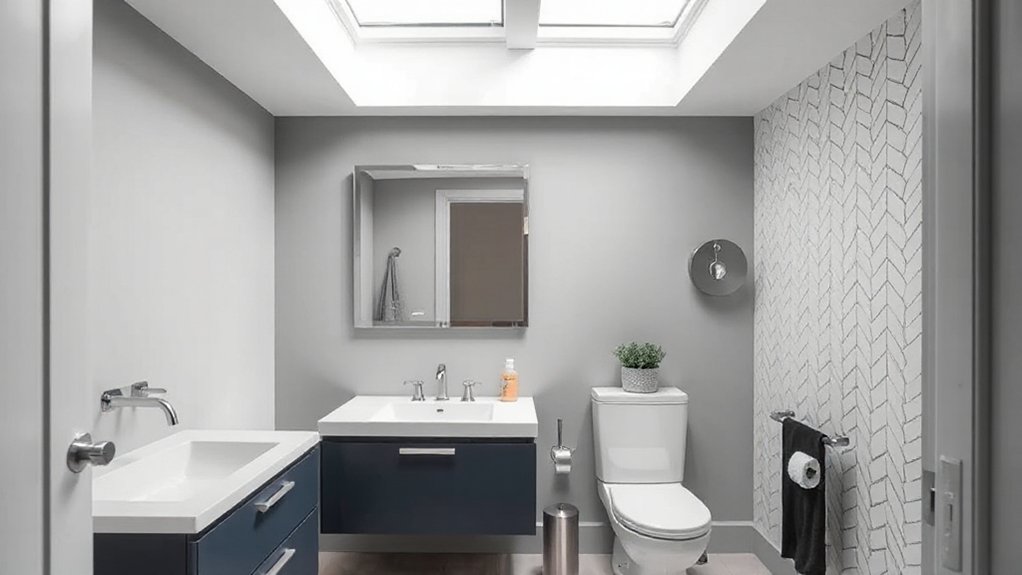
Upgrading your bathroom starts with practical fixture updates—think efficient faucets, showerheads, and a compact vanity that deliver style without breaking the bank.
Refresh finishes on a budget by choosing durable, easy-clean materials and strategic accents that modernize the space without a full remodel.
Add water-saving features like dual-flush toilets and low-flow fixtures to cut recurring costs while appealing to value-conscious buyers.
Update Bathroom Fixtures
Looking to refresh your bathroom without breaking the bank? You can modernize efficiently by updating key bathroom fixtures that buyers notice. Focus on high-impact, low-cost swaps and keep Renovation budgeting tight to maximize return.
1) Swap dated faucets and showerheads for matte black, brushed nickel, or chrome finishes that coordinate with existing hardware.
2) Replace a standard vanity light with a bright, energy-efficient LED fixture to improve visibility and reduce power bills.
3) Install a dual-flush toilet or a compact modern model to save water and shrink resurfacing costs over time.
These updates elevate the feel of the space without complete remodeling. Track costs, compare options, and target durable, easy-to-clean materials to protect your investment while appealing to buyers.
Refresh Finishes On A Budget
Revitalizing finishes on a budget is about targeted, high-impact changes that look and feel new without a full remodel. You’ll focus on low-cost upgrades that modernize bathrooms fast while preserving structure.
Start with surfaces: swap dated vanity hardware, reglaze or paint cabinets, and replace mismatched tiles with neutral accents. Consider budget-friendly ceramic or peel-and-stick options for a refreshed backsplash.
Update lighting to brighter, cooler tones and install a simple, water-efficient faucet. Replace a tired mirror with a frameless or slim-frame version to open the space.
Use accessible finishes: grout refresh, reseal caulk, and fresh paint in a clean, spa-like shade. Bring in garden design cues via potted greenery and plant-friendly scents to reinforce a fresh interior scent throughout the room.
Boost Water Efficiency Features
Ever wondered how to cut water use in a townhouse bathroom without sacrificing performance? You can modernize efficiently by prioritizing proven, low-cost updates that buyers notice. Start with fixtures that deliver strong water savings and reliable performance, then pair them with simple plumbing upgrades to avoid backflow or leaks.
The goal is measurable impact, not gimmicks, so document eddies in bills to show value.
- Install high-efficiency toilets and compact showerheads to maximize water conservation without sacrificing comfort.
- Swap old faucets for low-flow models with laminar flow to reduce consumption while maintaining steady pressure.
- Add a leak-detection valve and shutoff valves on relevant lines to catch issues early and protect plumbing upgrades.
Flooring Tweaks That Buyers Notice and Appreciate
When buyers zero in on flooring, small, well-considered tweaks can make a big impression, especially in today’s active-market environment. You’ll start with consistency: matching materials across main living spaces feels cohesive and reduces perceived remodeling needs.
If the budget allows, upgrade to a durable, low-maintenance option like wide-plank engineered wood or resilient luxury vinyl plank that mimics real wood. Make certain seams are tight, transitions are smooth, and baseboards are cleanly painted to avoid visible gaps.
Perceived quality matters as much as actual durability, so opt for finishes with subtle abrasion resistance and a warm tone that complements natural light. Tie in the room’s vibe with garden landscaping glimpses and appropriate window treatments to reduce glare without blocking ambiance, guiding buyers toward a turnkey feel.
Doors, Trim, and Hardware That Feel Newer
You’ll notice how fresh door finishes and upgraded trim hardware can transform the cues buyers notice on first impression.
Start with clean, consistent finishes, tight gaps, and hardware in a cohesive style to read as newer and more polished.
This small upgrade can yield a high impact feel without a full remodel, aligning with market-driven expectations.
Fresh Door Finishes
Want your doors, trim, and hardware to feel brand-new without a full remodel? Fresh door finishes can boost perceived value quickly. You’ll focus on a clean, modern look with durable, easy-care results. Prioritize smooth operation, uniform color, and minimal visible wear.
1) Renewal basics: remove doors, sand lightly, fill dents, and wipe clean before applying fresh paint or stain.
2) Finish choices: select a neutral Door finishes palette (clear, white, or soft gray) and pair with satin hardware for cohesion.
3) Application tips: use painter’s tape, thin coats, and proper drying time to prevent tackiness and chipping.
Finish with matching trim touch-ups and test openings to ensure reliability, then stage spaces to highlight the refreshed doors.
Trim Hardware Upgrade
Are you ready to upgrade the feel of your doors, trim, and hardware without a full remodel? Start with a cohesive hardware plan that echoes your decor accents and color schemes.
Swap dated knobs and hinges for lightweight, modern finishes like satin-nickel or matte black, then pair with matching hinges and a door rail kit to unify connections.
Replace basic strike plates and screws with anti-corrosion versions for durability and a cleaner finish.
Choose trim profiles that read contemporary rather than busy, ensuring they echo the door styles you’ve chosen.
Refinish or replace interior doors in a consistent color or stain to reduce visual noise.
Finally, install low-profile stops and weatherstripping to enhance quiet and performance, delivering a refreshed, market-ready feel.
Create Practical Storage Buyers Notice
Creating a practical storage buyers notice starts with clarity: outline exact dimensions, capacity, and configurations to set real expectations for what the townhouse can hold. You’ll present usable space, describe built-ins, and note any weight limits or moveable shelves so buyers don’t guess.
Emphasize practical storage features, not just closets, to support creative storage ideas and clutter management.
- List dimensions for each storage area (height, width, depth) and total cubic footage where applicable.
- Note configurations, such as adjustable shelving, racks, and folding surfaces, plus load limits.
- Highlight accessibility, location, and potential for staging with modular solutions.
This approach signals market readiness, minimizes surprises, and reinforces value with concise, actionable details.
Energy Efficiency Upgrades That Buyers Value

You’ll attract quick offers by prioritizing energy-efficient upgrades like modern, low-energy appliances, solid insulation, and precise sealing to reduce drafts and bills.
Pair these with smart home upgrades that simplify monitoring and control, helping buyers visualize long-term savings.
This practical mix keeps renovations market-driven, concrete, and easy to justify in value discussions.
Energy-Efficient Appliances
Upgrading to energy-efficient appliances isn’t just about lowering bills—it’s a tangible selling point that buyers notice first. You’ll frame upgrades as practical, not flashy, with clear payoffs in daily use, reliability, and long-term costs. Focus on performance, warranty, and compatibility with smart home routines. Include these efficiency highlights in listings and showings to reinforce value.
- Choose ENERGY STAR models with top efficiency ratings, ensuring quiet operation and consistent performance.
- Prioritize a balanced set (refrigerator, range, dishwasher, washer) to maximize utility savings and minimize peak energy draw.
- Highlight easy maintenance, tool-free filters, and expected replacement intervals to reassure buyers about ongoing cost control.
Related wins: garden landscaping and exterior painting can elevate perceived value, supporting the appliance upgrades.
Insulation And Sealing
In basements and crawl spaces, seal air leaks around pipes and utility lines, then install vapor barriers where needed. Weather sealing matters everywhere: doors and windows should close flush, with weather stripping replaced or upgraded, and thresholds leveled to stop cold drafts.
Reassess HVAC ductwork for airtight connections and minimal leakage. Document improvements for buyers, highlighting savings and comfort; this concrete progress translates into stronger offers and faster closings.
Smart Home Upgrades
1) Upgrade smart thermostats and zoning actions to reduce heating bills while providing voice or app control.
2) Install energy-aware lighting and exterior lighting that highlights curb appeal and safety, plus biased sensors for auto dusk-to-dawn operation.
3) Improve outdoor appeal with garden landscaping that complements your home’s energy features and sustainable irrigation.
These upgrades integrate seamlessly with existing systems and support a stronger buyer offer.
Layout Tweaks That Maximize Space Without Major Remodels
Think about how you move through your townhouse day to day, then identify quick, noninvasive tweaks that rejustify small spaces and expand usable flow.
Start by prioritizing storage that’s visible and accessible: wall-mounted cabinets, floating shelves, and built-in ottomans keep surfaces clear.
Create defined zones with area rugs and furniture placement that suggests purpose without walls.
Emphasize open floorplans by removing heavy, bulky pieces from sightlines; opt for slim, multi-functional furniture that adapts to traffic patterns.
Introduce flexible surfaces—folding dining tables, laptop nooks, or portable islands—that convert spaces for work, meals, or lounging.
Use lighting to elongate rooms: layered layers, ambient plus task, with cool daylight bulbs to brighten corners.
Focus on Multi purpose rooms and Open floorplans as core selling points for buyers seeking efficiency.
Schedule Renovations for the Fastest Offers
Set clear renovation timelines and hold fast to them, so buyers see you’ve got a plan and pace to finish on schedule.
Map contractor meetings early, lock in dates, and confirm milestones so any bid gaps don’t stall interest.
This approach signals reliability and can speed up offers in a competitive market.
Schedule Timelines Clearly
To attract the fastest offers, lay out clear renovation timelines from day one and stick to them. You’ll set expectations, minimize delays, and keep buyers confident in your plan. Schedule milestones that align with contract windows and permit lead times, and update them if scope shifts occur. Track progress daily and adjust resources to protect your dates.
Clear timelines reduce bargaining over duration and price, helping you secure stronger offers. Include exterior lighting and landscaping design milestones to show curb appeal improvements in week-by-week terms. Communicate changes promptly to agents and buyers, preserving momentum.
- Define phases with fixed start and end dates, and assign accountable leads.
- Build in buffer days for inspections, weather, and approvals.
- Review progress weekly, publish revised dates, and lock buyers’ expectations.
Fast-Track Contractor Meetings
Inspect existing conditions, tag historic preservation constraints, and confirm any required permits before talks start. Bring your budget thresholds and decision deadlines to the table so trades risk-fee windows stay tight.
Ask for rapid bids and clearly defined scopes; push for preapproved substitutions that don’t derail timelines.
Tie renovations to buyer psychology: finishings aligned with Feng shui principles can boost perceived value, while preserving historic elements where feasible.
Document decisions in a shared, real-time board, and set weekly check-ins to resolve variances, accelerate approvals, and keep momentum toward offers.
Smart Material Picks: Durable and Affordable
Smart material choices can save you time and money during a townhouse renovation, so start with durable, affordable options that perform under daily wear. You’ll prioritize material durability and tight budget planning to maximize appeal without overspending.
Choose finishes and systems that resist wear, stains, and moisture, while keeping cost-per-year low.
- Vinyl plank flooring or porcelain tile with water resistance, paired with a durable underlayment.
- Quartz countertops and solid-surface backsplashes for low maintenance and resale confidence.
- Semi-gloss paints and grout that resist scuffs, cleans easily, and hide wear over time.
These choices align with budget planning, reduce future upkeep, and demonstrate practical, market-driven value to buyers. Focus on reliable, easy-care materials that stand up to everyday use.
DIY vs. Pro: Where to Save and Where to Invest

Should you DIY or hire pro where it counts, especially in a townhouse renovation? The answer hinges on risk, cost, and timeline. You’ll save on labor by tackling simple tasks, but DIY pitfalls loom when structural, electrical, or plumbing work is involved—these mistakes can derail schedules and erode value.
Prioritize finish quality in high-traffic areas because buyer perception matters more in compact layouts. For anything safety- or code-related, lean on professionals to avoid expensive rework and potential fines.
Compare professional costs against the price of delay and warranty gaps. Use a staged approach: handle cosmetic upgrades yourself, and defer complex systems to licensed trades.
Clear contracts, milestones, and inspection checkpoints protect your budget and help your townhouse appeal to discerning buyers.
Staging Levels That Influence Offers
Staging levels directly affect offers by signaling value and minimizing perceived risk, so start with the basics and escalate only where it adds measurable appeal. You’ll boost perceived quality by aligning rooms, flow, and finishes with buyer expectations, then layer in features that prove dollars spent translate to return.
- Focus on curb appeal with outdoor lighting and crisp landscaping ideas that create first impressions without overinvesting.
- Prioritize living spaces that show clear function and tidy, stylish details—easy progressions from entry to main rooms.
- Use neutral palettes, strategic furniture placement, and minimal accessories to reduce buyer hesitation and highlight potential.
You’ll monitor feedback, adjust staging levels quickly, and avoid over-staging that can dilute perceived value.
Pre-Listing Checklist: Final Touchups Before Photos
Now that the staging plan is set, you’ll lock in final touchups that make photos pop without overdoing it. Do a quick walk-through at golden hour to spot glare, shadows, and clutter. Wipe down windows, shine fixtures, and touch up scuffs on baseboards and doors—don’t overspray, keep it natural.
Tidy outdoor spaces: trim hedges, sweep walkways, and pressure-wash areas where needed. For curb appeal, prune trees and add fresh mulch in the garden beds to avoid muddy photos. Check garden landscaping for symmetry and balance, ensuring color pops in exterior shots.
Validate that neighborhood amenities are presentable in any exterior angles. In the interior, declutter surfaces, stage a single focal point per room, and confirm consistent lighting to reflect a bright, accessible layout.
Frequently Asked Questions
How to Prioritize Upgrades for Maximum Buyer Appeal?
Prioritize high-ROI upgrades: start with curb-appeal via outdoor landscaping, then boost energy efficiency. Focus on updated HVAC, insulation, modern lighting, and fresh kitchens/baths. You’ll attract buyers faster, maximize value, and stand out in a competitive market.
What Timing Signals Boost Offer Competitiveness?
Here’s a gentle cue: prioritize timing that aligns with market momentum, show strong closings, and stage near listing date. You’ll highlight vintage fixtures and energy efficiency to signal value, maintaining practical, market-driven pacing and urgency.
Which Small Fixes Yield Big Perception Value?
Small fixes that yield big perception value include subtle decorative enhancements like fresh hardware, upgraded lighting, and clean caulk lines; boost curb appeal with a welcoming entry, tidy landscaping, and a cohesive color scheme you can market confidently.
How to Estimate Renovation ROI for Townhouses?
Some buyers doubt ROI accuracy, but you can estimate it with careful data. You’ll factor Historical preservation, Eco friendly upgrades, local comps, replacement costs, and time to market to project net gain and appeal for townhouses.
What Hidden Costs Surprise Most Renovators?
Hidden expenses surprise most renovators: permit challenges catch you off guard, then costs escalate. You’ll want contingency budgets, clear scope, and disciplined tracking, because delays spike carrying costs and push timelines, affecting market viability and ultimately your project’s ROI.
Conclusion
You’re not just selling space—you’re selling a smarter lifestyle. Focus on ROI-driven tweaks, from neutral walls and durable finishes to bright, energy-efficient lighting and smart storage that buyers instantly notice. Nail curb appeal, prune clutter, and stage with purpose so the eye lands on the best features. Finalize with a crisp pre-listing checklist and ready-for-photo results. Think market-ready, budget-smart, and buyer-centric—like a tailored investment plan, minus the high drama, circa 1999 dial-up speed. Anachronism: a brick-type modem cooling in the corner.