


Many homeowners are surprised when they find out bathroom remodel costs can swing from a modest small bathroom remodel budget to a full-on, wallet-clutching overhaul, all because labour, plumbing, and finish choices stack up fast.
If you’ve ever dipped your toe into home renovation, you’ll know the bathroom can swallow money faster than you can say “new tiles.” So the big question is: what is a realistic budget for a bathroom remodel? It’s tricky because every bathroom is different — size, layout, materials, plumbing surprises lurking in the walls — they all play a part.
Still, having a grounded idea of what you should be spending stops the whole thing turning into a runaway project that empties your wallet long before it looks anything like the dream you had in mind.
If you’re trying to pin down a realistic budget for a bathroom remodel, you’re in the right spot – you’ll see average bathroom renovation cost ranges, how bathroom renovation price per square foot really works, and how to map out your own numbers so your project fits your home and your wallet.
Why Budgeting a Bathroom Remodel Is So Tricky
Average bathroom renovation cost figures you see online might say 8,000 to 25,000, yet you can easily blow past that if your plumbing, electrics, or layout are dated. You’re dealing with a tiny room that needs waterproofing, skilled trades, and fixtures crammed into every square foot, so the bathroom renovation price per square foot climbs fast. You’re not just picking pretty tiles, you’re juggling hidden pipes, structural quirks, and labour rates that can double your initial “small bathroom remodel budget” in a heartbeat.
The Wild Price Range – What’s Up With That?
National reports often quote bathroom remodel cost ranges that vary by 200 to 300 percent, and that’s before you factor in your specific postcode or city. You might see a basic refresh starting around a few thousand, while a luxury primary suite can hit five figures very quickly. A lot of that gap comes down to how much you rip out, how old your plumbing is, and what kind of finishes you fall in love with at the showroom.
Factors Affecting Costs – Think Labor and Finishes
On most projects, 40 to 60 percent of your realistic budget for a bathroom remodel can disappear into labour alone, especially if you’re paying for plumbing, tiling, and electrics at city rates. Then you’ve got finishes: swapping a basic acrylic shower for a tiled walk-in with porcelain slabs can add thousands. Every upgrade sounds small on its own, but they stack up fast when you multiply by every wall, surface, and fitting in the room.
- Labour rates in your area and how many trades you need on site
- Whether you’re moving plumbing or keeping a simple rip-and-replace layout
- Type and amount of tiling, including floor-to-ceiling or feature walls
- Finish level on fixtures: budget suite vs mid-range vs designer brands
- Condition of your subfloor, walls, and existing waterproofing
Because each of these variables pushes your bathroom renovation price per square foot up or down, you really feel the impact in a small space where every inch is “expensive inches” to work on, and that’s exactly why two bathrooms that look similar on Pinterest can land tens of thousands apart once you cost out the labour, prep, and finishes. Recognizing how each choice influences the bottom line helps you steer your small bathroom remodel budget toward the stuff that actually matters day to day.
- Ask trades for separate line items for labour vs materials on quotes
- Test different tile and fixture options against a fixed total budget
- Prioritise waterproofing, shower quality, and daily-use brassware first
- Dial back on statement tiles or custom cabinetry if numbers get tight
- Recognizing which elements are “forever” and which you can upgrade later keeps your realistic budget for a bathroom remodel under control.
What You’ll Get for Your Budget – A Quick Overview
In many markets, you might spend 3,000 to 7,000 on a basic refresh, 8,000 to 18,000 on a mid-range family bathroom, and 20,000 plus on a high-end primary. At the lower end, you’re looking at a simple rip-and-replace with economical tiles and a standard suite. Climb the ladder and you start seeing walk-in showers, custom storage, underfloor heating, and feature lighting that make the room feel like a mini spa instead of just a functional box.
For a tight small bathroom remodel budget, you’ll typically get a new suite, fresh tiles in key areas, and cleaner lighting, but you’ll keep the layout and stick to cost-effective ceramics and chrome taps. Step into that mid-range bracket and suddenly you can afford a walk-in shower with a nicer screen, a quality vanity, and maybe some porcelain tiles that look like stone without the maintenance. Once you cross into higher budgets, you’re into freestanding baths, slab-style tiles, recessed niches, and bespoke joinery, so your realistic budget for a bathroom remodel necessaryly buys you better materials, more comfort features, and a layout that works exactly the way you live.
Typical Cost Ranges by Remodel Level
Across most markets, your bathroom remodel cost will usually land in one of three buckets: a basic refresh from roughly 5% of your home’s value, a mid-range remodel that can nudge closer to 7% to 10%, or a high-end overhaul that sometimes pushes beyond that. Each tier changes what you can realistically do with layout, tiles, fixtures, and storage, so picking the right level up front is what keeps your realistic budget for a bathroom remodel from sliding all over the place.
Keeping It Basic – A Refresh without Breaking the Bank
On a basic small bathroom remodel budget, you’re typically in the ballpark of a few thousand for a compact space, rising into the low teens for a standard family bath, especially if you keep the layout exactly as is. You’ll usually swap the suite, refresh tiles or use panels, update taps, and repaint. It feels fresh, clean, and modern, but without the full gut job or pricey layout changes quietly inflating the average bathroom renovation cost.
Going Mid-Range – More Than Just a Face Lift
For a mid-range project, you’re often looking at somewhere around double a basic refresh, with the bathroom renovation price per square foot jumping because you’re upgrading more than just surfaces. You might add a walk-in shower, better tiles, upgraded vanity and storage, plus new lighting. It’s the level where your bathroom starts to feel properly designed, not just “updated a bit” and you get a much better balance of quality vs spend.
In this mid-range zone, you can usually afford to strip the room back to studs, sort any sketchy plumbing, and install proper waterproofing so you’re not dealing with leaks in three years. You might switch a bath for a generous shower, run underfloor heating in a 5×7 or 5×10 space, and go for porcelain tiles that wear really well. This is also where you upgrade to a solid vanity with decent storage and a good-quality shower valve, but still mix in some budget-friendly choices like simple white wall tiles paired with a feature niche or accent strip so your realistic budget for a bathroom remodel stretches further.
High-End Dreams – Splurging on Luxury
At the high-end, it’s not unusual for a large primary suite to hit several times the cost of a basic remodel, especially once you add custom cabinetry, stone, and layout changes. You’re paying a premium bathroom renovation price per square foot because you’re often moving plumbing, building wet-room style showers, and specifying designer fixtures. This is where you chase that spa vibe: big walk-in shower, freestanding bath, bespoke storage, layered lighting, and finishes that genuinely feel indulgent every single day.
Once you’re in luxury territory, you’re usually doing a full reconfiguration or at least heavy tweaks, which means more labour hours for plumbers, tilers, and electricians. You might run large-format porcelain or natural stone across floors and walls, add a ceiling-mounted rainfall head, install underfloor heating across a generous en-suite, and commission custom vanity units to squeeze every inch of storage from awkward corners. You’re also more likely to choose feature lighting, niche LEDs, and high-end brassware in brushed brass or black, so careful planning matters here – your realistic budget for a bathroom remodel can skyrocket very quickly if you start stacking too many premium choices without a clear line-item plan.
How Bathroom Size Affects Your Budget
Ever wondered why two bathrooms with the same finishes can have wildly different price tags? Size quietly drives a lot of your bathroom remodel cost because every extra square foot needs more tiles, more waterproofing, more labour. A 20 to 30 square foot cloakroom might sit at the bottom of your realistic budget for a bathroom remodel, while a large primary can easily double or triple that, especially once you start upgrading fixtures, storage and lighting across the whole space.
Small Cloakroom to Half-Bath – What to Expect
When you’re dealing with a tiny 15 to 25 square foot cloakroom, your small bathroom remodel budget usually goes further than you think. You’re typically paying for one toilet, a compact basin, minimal tiling and basic lighting, so the bathroom renovation price per square foot can look high, but the total is often the lowest of any bathroom in your home. Keep the layout as-is and you can often squeeze into the basic refresh range without too much drama.
Standard Family Bathroom – Size Matters
Once you hit that classic 5×7 or 5×10 family bathroom, the numbers start to level out and your bathroom remodel cost gets more predictable. You’ve suddenly got a full suite to deal with, plus more wall and floor area, so materials add up fast. Most people land in a mid-range realistic budget for a bathroom remodel here, especially if you want a decent vanity, proper storage and a shower that doesn’t feel like a cramped cubicle.
In a typical family bathroom, you’re usually working with 35 to 50 square feet, and at a sensible bathroom renovation price per square foot, that can quickly translate into a chunky line on your spreadsheet. You might be swapping a tub for a walk-in shower, adding a niche, upgrading lighting and ventilation – each of those is a little cost multiplier. This is where you really feel the power of layout decisions, because simply keeping your plumbing in the same place can shave a noticeable chunk off your average bathroom renovation cost without sacrificing the overall feel.
Luxurious En-Suite or Primary Bathroom – Are You Ready?
What happens when you move into 70, 100, even 150 square foot primary bathroom territory? Your realistic budget for a bathroom remodel usually jumps into the high-end bracket fast, because you’re not just paying for more space, you’re paying for features: double vanity, walk-in shower, maybe a freestanding bath, underfloor heating, layered lighting. Every upgrade stacks on top of that already higher bathroom renovation price per square foot.
In a large en-suite, you’ll often have multiple wet zones, which means extra waterproofing, more complex plumbing runs and more labour hours, especially on tiling. You might decide on a fully tiled walk-in shower with a linear drain, a custom vanity, recessed shelves and statement brassware – all of which push your average bathroom renovation cost north compared to a family bath. If you’re dreaming of spa vibes, this is where you want to be brutally honest about priorities, because it’s incredibly easy for a primary bathroom to blow past your original number without you noticing until the quotes land.
What Seriously Eats Up Your Budget?
Big chunks of your realistic budget for a bathroom remodel don’t actually sit on the shelves at the showroom – they hide in labour, plumbing moves, and all the prep you never see again. You might spend 40-60% of your total bathroom remodel cost on trades alone, then another hefty slice on tiles, waterproofing, and decent fixtures. Even in a small bathroom remodel budget, those behind-the-scenes jobs can push your bathroom renovation price per square foot way higher than you first expect.
Labor Costs – Why Are They So High?
For most projects, labour quietly becomes the biggest line on your quote, often swallowing half your bathroom remodel cost before you even choose a tap. You’re not just paying someone to tile or fit a toilet, you’re paying for years of training, liability insurance, wasted cuts, and problem solving when walls aren’t straight or floors are out. Good trades might charge more per day, but they also work faster and save you from paying twice when cheap work fails.
Plumbing and Drainage – The Sneaky Expenses
Nothing torpedoes a realistic budget for a bathroom remodel faster than moving plumbing you thought would be “no big deal”. Shifting a toilet or shower can mean opening floors, rerouting pipework, upgrading old drains, even patching ceilings downstairs. On a standard family bathroom, changing layout can easily add 20-30% to the bathroom remodel cost, and in older homes the bill jumps again if the plumber finds corroded pipes or undersized waste lines that need replacing.
Once you move anything with a drain, you’re into a different league of spend. Your plumber has to maintain correct fall on pipes so waste actually flows, work around joists that really shouldn’t be hacked, and often bring decades-old plumbing up to current code. And if your small bathroom sits on a concrete slab, cutting and reinstating that slab adds messy, noisy work plus disposal fees. This is why you see such a big jump in the bathroom renovation price per square foot whenever the layout changes, even if the finishes look pretty simple on the surface.
Fixtures and Fittings – Spend Wisely Here
Shiny stuff feels like it should be the whole budget, but fixtures usually sit at around 20-30% of the average bathroom renovation cost if you’re being sensible. A mid-range toilet, basin, vanity, and shower set might cost a third of what a single designer brassware set does, yet they’ll still look great. The trick is to spend on things you touch every day – taps, shower valve, toilet – and dial back on trend-led extras you can upgrade later without ripping tiles off the wall.
What really helps is treating fixtures like a small jigsaw puzzle rather than buying random bargains. If you blow half your small bathroom remodel budget on a statement freestanding bath, you might have to cut back on the shower kit you use twice a day, which makes no sense. Matching finishes across taps, shower, and accessories instantly makes everything feel higher end, even if they’re from a sensible mid-range brand. And because fixtures go in late, you can shop sales, ex-display stock, or end-of-line ranges while the messy stuff is happening, stretching your budget without sacrificing quality.
To Move or Not to Move? The Layout Dilemma
Layout is where your realistic budget for a bathroom remodel can suddenly jump by 30% or more, even if the room is tiny. Once you touch drains, stud walls, or door openings, you’re not just paying for a new look – you’re paying plumbers, electricians, maybe even a structural engineer. So you’ve got three basic routes: keep everything exactly where it is, tweak a few key positions, or rip the whole thing apart and start fresh. Each one lands in a totally different bathroom remodel cost bracket.
“Rip and Replace” – Keeping It Simple
Sticking to a straight rip-and-replace layout is usually the friendliest option for a small bathroom remodel budget. You’re swapping fixtures in the same spots, so plumbing and electrics stay mostly as-is, which can keep labour at 40% to 60% of the total instead of climbing higher. You still get fresh tiles, a new loo, a nicer vanity, but you avoid opening floors to move drains – that’s where the bathroom renovation price per square foot really starts to climb.
Partial Layout Changes – A Little Tweak Here and There
Shifting a few pieces, like trading a tub for a walk-in shower or nudging the vanity, tends to push you into that mid-range average bathroom renovation cost. You’re paying extra for some new pipe runs, maybe a relocated waste, plus updated electrics for lighting or a fan. It’s usually a smart sweet spot for value: noticeable daily-life upgrades without burning through 25% of your budget on hidden work you’ll never actually see.
With partial layout changes, you’re basically cherry-picking the pain points in your current bathroom and fixing those, not reimagining everything from scratch. You might rotate the toilet to gain 3 or 4 inches of knee room, slide the shower controls to the entrance so you don’t get blasted with cold water, or widen the vanity by 6 inches for better storage. On real projects, those tweaks often add 10% to 20% to the total bathroom remodel cost compared with rip-and-replace, but they can feel like a totally different room in day-to-day use, which is a solid return on that extra spend.
Full Reconfiguration – Ready for a Big Change?
Going for a full reconfiguration is where your realistic budget for a bathroom remodel jumps into high-end territory, even if your finishes are only mid-range. Moving the toilet across the room, pinching space from a hallway, or adding a walk-in shower niche usually means new drains, new wiring, more carpentry, and sometimes permits. It’s not unusual for a full redesign to cost 50% more per square foot than a simple refresh, because most of that money is disappearing into walls and floors.
When you reconfigure everything, you’re treating the room like a blank box: walls can shift, doors can move, and you can completely flip the layout so circulation actually works. You might steal 12 inches from a guest bedroom to fit a double vanity, tuck the toilet behind a half-wall for privacy, or build a 5×4 walk-in shower where an awkward tub used to sit. All of that means fresh pipework back to the stack, re-running circuits, extra framing, plus more waterproofing. It’s pricier upfront, but in homes where the original layout is genuinely bad, this kind of full rethink can be what actually protects value long term, instead of just dressing up a flawed design.
Materials and Finishes: Where Costs Skyrocket
Finishes are where a realistic budget for a bathroom remodel can quietly double if you’re not paying attention. You might price labour at, say, 40-50% of the job, then suddenly tiles, glass, vanity, taps and stone benchtops swallow the rest. Jumping from ceramic to marble, or from a framed shower to a full wet room, can bump your bathroom remodel cost by hundreds per square metre, so you really want each upgrade to earn its keep.
Tiles Galore – Picking the Right One
Tile choices can swing your bathroom renovation price per square foot more than you think. A basic ceramic at $3-5 per square foot keeps a small bathroom remodel budget sane, while porcelain in the $7-12 range is tougher and looks sharper. Natural stone can hit $15-30 per square foot before you even pay for sealing and trickier labour, so use it as a feature and run simple white ceramics everywhere else.
Showers That Shine or Flop – What to Choose?
Shower decisions can quietly eat 20-30% of your fixture budget. An acrylic base with a framed screen might sit around the low hundreds, which is perfect if you’re chasing a lower average bathroom renovation cost. Step up to a walk-in with a tiled floor, linear drain and thick frameless glass, and you’re easily tripling that spend, plus paying more for waterproofing and precise tiling.
When you’re weighing up shower options, think in layers: tray, screens, waterproofing, and the valve hidden in the wall. A decent acrylic tray and semi-frameless screen might cost you $600-1,200 all-in, while a tiled wet room setup with custom glass and a quality thermostatic mixer can run $3,000+ once labour lands. Because a leaking shower wrecks everything around it, you’re better off choosing a mid-range system with rock-solid waterproofing than a super-cheap kit that fails in 3 years and torpedoes your realistic budget for a bathroom remodel a second time.
Finding the Right Vanity – Flat Packs vs Custom
Vanities are one of those items where price jumps feel wild. A decent flat-pack unit might land between $300-900, which is friendly for a tight small bathroom remodel budget. Go custom and you’re realistically at $1,500-4,000 once you add stone, hardware and install, but you gain storage tailored to your layout, better moisture resistance and the exact style you want instead of “closest match”.
When you dig into vanity options, the trade-offs get pretty clear. Flat-pack is ideal if you want to keep bathroom renovation price per square foot down: standard sizes, laminate tops, basic hardware, all fast to install. Custom starts to shine in awkward rooms – maybe you’ve got a 1,370 mm wall, sloping ceiling, or want drawers around plumbing instead of those annoying fake panels. You might spend double or triple upfront, but extra storage can save you buying wall cabinets later and a high-quality carcass and top will survive steam and splashes for 15-20 years, which actually protects your overall bathroom remodel cost in the long run.

Hidden Costs You Might Forget
One couple I worked with swore they had every penny mapped out… right up until the old tiles came off and the rotten subfloor appeared. Stuff like demolition, skip hire, electrical tweaks, and a new extractor fan rarely show up in your first draft budget, yet they can easily swallow an extra 10-20% of your realistic budget for a bathroom remodel. If you want to avoid that sick feeling halfway through, you build these into your bathroom remodel cost from day one.
Demolition and Disposal – It Adds Up!
A neighbour proudly told me their “demo is basically free” because a mate would help, then the skip quote landed and reality hit. Tearing out tiles, a tub, plasterboard, and an old vanity can mean 2-3 days of labour plus £200-£400 on waste removal alone. On a small bathroom remodel budget, that’s a big chunk, so you treat demo and disposal like any other line item, not an afterthought.
Electrical Needs – Don’t Overlook the Basics
A client once budgeted for a fancy mirror with built-in lights but hadn’t allowed a penny for the extra wiring it needed. Even in a tiny space, you might need a new lighting circuit, shaver socket, or safer placement for outlets to meet code. Those “little” electrical tweaks often fall in the £300-£800 range, depending on complexity and how old your existing wiring is.
What usually happens is you start choosing feature lighting and then your electrician gently explains your current setup can’t safely handle it. So suddenly you’re talking about adding a new circuit from the consumer unit, upgrading an old pull cord, or fitting IP-rated downlights over the shower. That can bump your bathroom renovation price per square foot more than you’d expect. If your house is older than 20-25 years, you plan for at least some rewiring, a modern extractor connection, and potentially a small consumer unit upgrade, because inspectors and good trades simply won’t sign off on sketchy electrics anymore.
Ventilation Upgrades – Essential or Not?
A friend proudly finished a gorgeous bathroom, skipped a decent fan to save £150, and six months later the ceiling paint was peeling and mould spots were back. Upgrading to a quiet, humidity-sensing extractor with ducting through the roof or wall typically runs £200-£600 installed, yet it can extend the life of your tiles, grout, and paint and protect everything you’ve just paid for.
What catches you out is how quickly moisture wrecks a shiny new space, especially if your old fan was basically decorative. You might need a new duct run, a core drill through brick, and a unit that actually matches the size of your room and shower use. And if you’re upgrading insulation or going for a fully tiled wet area, ventilation goes from “nice to have” to non-negotiable for a realistic budget for a bathroom remodel. Paying a bit more for a good, quiet fan with a run-on timer can easily save you from mould remediation, crumbling grout, and repainting every year or two.
DIY vs. Hiring Pros – What’s the Real Deal?
On paper, doing everything yourself looks like the fast track to a smaller bathroom remodel cost, but the reality is a bit messier. Full-pro installs might add 30-50% to the average bathroom renovation cost, yet they also slash the risk of leaks, failed tiles, or redos. Your sweet spot usually lands in the middle – pay pros for the technical stuff, then grab savings by handling the simple, cosmetic work yourself.
Full Professional Install – What You Get
With a full professional install, you’re basically paying for a filtered, low-stress experience. One contractor lines up plumber, tiler, and electrician, keeps work moving, and makes sure your bathroom renovation price per square foot actually matches the quote. You get warranties, building-code compliance, correct falls to the drain, and proper waterproofing – the unsexy bits that stop a 5,000 bathroom turning into a 15,000 repair job later.
Tackling DIY Projects – Where You Can Save
Picking off the easy wins yourself can trim 10-25% off a realistic budget for a bathroom remodel. You can usually handle painting, removing old accessories, assembling flat-pack vanities, fitting mirrors and shelves, maybe even installing a new toilet seat or simple vinyl flooring. Every job you take off the contractor’s list pulls down your bathroom renovation price per square foot without touching the critical plumbing or electrics.
Where DIY really shines is in all the stuff that doesn’t involve water or wires. You might demo the old vanity and tiles (carefully), patch minor drywall, prime and paint, then build and fit your own storage using off-the-shelf units. For a tight small bathroom remodel budget, that could be several hundred saved just in labour. If you’re patient and reasonably handy, you can also tile a simple splashback or boxed-in cistern, using wedges and levelling clips so it doesn’t scream “first-time tiler” every time you walk in.
Jobs Best Left to the Experts – Don’t Risk It!
Some tasks are absolutely not worth gambling with, no matter how healthy your YouTube confidence is. Anything involving buried plumbing, new circuits, underfloor heating, or full wet-room tanking should stay firmly in pro territory. A badly sealed shower or mis-sloped tray can leak slowly for months, quietly destroying joists and walls, then wipe out your entire realistic budget for a bathroom remodel in a single insurance claim.
Think about what actually sits behind those shiny tiles you see on Instagram – pressurised pipes, electrical junctions, tanking membranes, and often several layers of substrate. If you get a fall to the drain wrong by even 2-3 millimetres, water can pool in corners and seep under tiles, rotting your subfloor. Stats from insurers regularly show water damage claims in the thousands, so paying a qualified plumber and electrician for a day or two isn’t “nice to have”, it’s protection for your whole house and wallet.
Crafting Your Own Bathroom Budget – A Step-by-Step Guide
| Measure and Analyze – Know What You Have | Measure and Analyze – Know What You HaveMost bathroom renovation price per square foot guides start with one boring step: measuring, but it’s where your realistic budget for a bathroom remodel actually snaps into focus. Grab a tape, sketch your layout, note every fixture, window and awkward nib. Then flag problem zones like damp corners or spongy floors, because those are the bits that tend to eat into your contingency and inflate your bathroom remodel cost fast. |
| Level of Remodel – What’s Your Style? | Level of Remodel – What’s Your Style?On average, a basic refresh might land at roughly 40 to 60 percent of a full gut remodel, so deciding your level upfront protects your small bathroom remodel budget from creeping into luxury territory by accident. Ask yourself if you’re swapping like-for-like, doing a mid-range upgrade with a new walk-in shower, or going all-in with underfloor heating and custom cabinetry, because each tier sets a totally different ceiling for your average bathroom renovation cost. Think of your remodel level like choosing between economy, premium, and first class – you’re still getting to the same destination, but the experience (and price) changes a lot. A basic refresh sticks to your existing layout, keeps plumbing put, and focuses on new tiles, suite, and maybe a vanity upgrade. Mid-range usually adds nicer tiles, better brassware, a walk-in shower, and a few layout tweaks. High-end is where you see wet rooms, stone, built-in storage, statement lighting, and a bathroom remodel cost that can easily double if you’re not careful. |
| Break It Down – Assigning Budget Categories | Break It Down – Assigning Budget CategoriesIndustry pros often split a realistic budget for a bathroom remodel into rough chunks: 40 to 60 percent on labour, 20 to 35 percent on fixtures and fittings, and the rest on tiles, waterproofing, and decoration. If you map your own numbers this way, you instantly see whether you’re overloading on fancy brassware while starving importants like prep work, which is how a sensible bathroom remodel cost quietly turns into a money pit later on. Start by listing every line item: demolition, disposal, plumbing, electrics, waterproofing, tiling, fixtures, joinery, and paint, then give each a percentage of your total pot instead of random guesses. For example, a tight small bathroom remodel budget might push you to keep layout fixed, cap fixtures at 25 percent, and let tiles take just 15 percent with simple ceramics. Larger, high-end projects might flip that, with custom vanity and brassware taking a bigger slice and labour climbing because of extra complexity and time on site. |
Sample Budgets to Get You Inspired
One client once told me, “I just need to know if my number is totally insane or actually doable.” That’s where sample budgets really help – you can see how a realistic budget for a bathroom remodel shifts as you move from a simple refresh to a luxury space. Use these as templates, then plug in your own bathroom renovation price per square foot.
Basic Small Bathroom – Tight Budget Strategies
A client with a tiny 5×7 bath once stretched a small bathroom remodel budget by keeping every single pipe exactly where it was. You might do the same: allocate roughly 50-60% to labour, 20-25% to basic fixtures, 10-15% to simple ceramic tiles, and leave 10% for contingency. By focusing on a rip-and-replace layout, your bathroom remodel cost stays lean but still feels fresh and clean.
Mid-Range Family Bathroom – A Balanced Approach
A busy family I worked with took an average bathroom renovation cost and nudged it mid-range by prioritising smart upgrades over fancy labels. You’d typically see 45-55% to labour, 15-20% to decent fixtures, 15-20% to better tiles, and 5-10% to lighting and storage. This is where you sneak in a walk-in shower, nicer taps, and a proper vanity without the budget spiralling.
In a mid-range family bathroom, you might swap a bath for a walk-in shower, upgrade to porcelain tiles on the floor, and add a double vanity so two people can get ready at once without elbow wars. You still keep most plumbing in roughly the same place to avoid a 30% jump in labour, but you invest in a solid shower valve, decent extractor fan, and layered lighting. That mix keeps your bathroom remodel cost sensible while actually feeling like a big lifestyle upgrade.
High-End En-Suite – Let’s Go All Out!
One homeowner took their dated en-suite and turned it into what they jokingly called a “hotel bathroom I never have to check out of”. For this level, your realistic budget for a bathroom remodel might skew 50-60% to labour and specialist trades, 20-25% to premium fixtures and brassware, 15-20% to statement tiles and custom cabinetry, with a solid 10-15% contingency. You’re paying for layout changes, custom storage, and those luxe finishes you’ve been saving on Pinterest.
In a high-end en-suite, you might reconfigure everything to create a big walk-in shower, add underfloor heating, run wall-to-wall custom cabinetry, and choose large-format porcelain or even natural stone. Because you’re often moving drains, adding niches, and integrating lighting in mirrors and cabinets, labour and waterproofing eat a big slice of the budget. You’re not just paying for pretty tiles – you’re paying for a space that feels like a spa and functions perfectly for a decade or more.
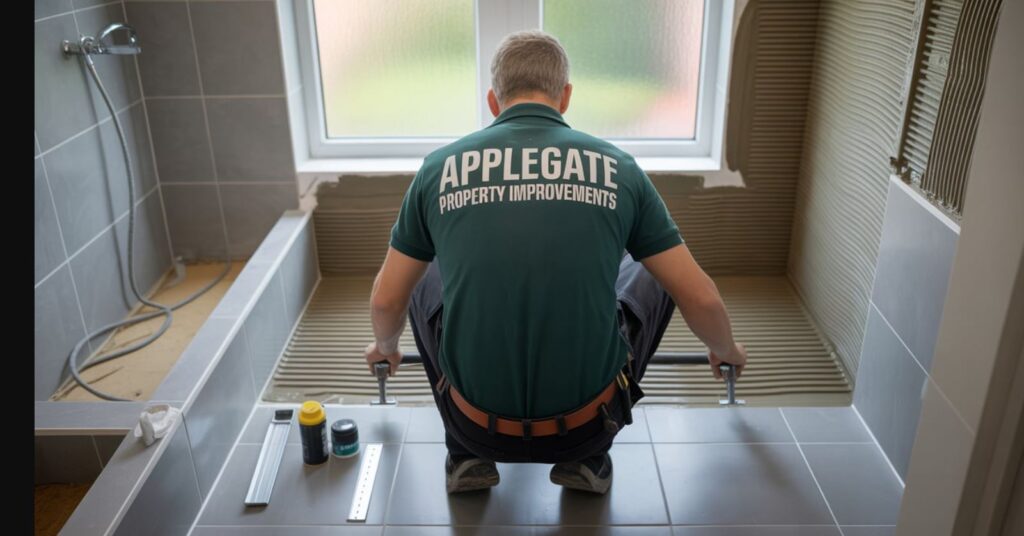
Smart Ways to Save Without Sacrificing Style
You can shave thousands off your realistic budget for a bathroom remodel just by being picky about where the money goes. Keep the layout, choose smart materials, and focus on what you see and touch every day. A lot of stylish bathrooms land around the average bathroom renovation cost because they mix higher-end focal pieces with budget-friendly basics everywhere else. That combo is exactly how you push your bathroom renovation price per square foot down without it looking cheap.
Keeping Layout Intact – Simple Tricks
Sticking with your existing layout is basically like giving yourself a free 20-30% discount on labour. You avoid moving drains, chasing pipes into walls, and redoing half the subfloor, which is where bathroom remodel cost really explodes. Instead, you put that cash into nicer taps, a better vanity, or extra storage. Swap tired tiles, upgrade lighting, and fit a sharp-looking mirror cabinet and suddenly your “small bathroom remodel budget” stretches way further than you thought.
Mixing Tiles – Balance Luxury and Budget
Using expensive tiles everywhere is the fastest way to blow your bathroom remodel cost for no real gain. You get a far better result if you treat tiles like a highlight reel: splurge on a feature wall or shower area, then run a simple ceramic on the rest. Plenty of high-end-looking bathrooms are actually 70-80% basic white tiles with just a few square feet of “wow” doing all the heavy lifting.
In practice, you might use a £60-per-square-metre porcelain on the main shower wall, then drop to a £10-20-per-square-metre ceramic everywhere else and instantly your average bathroom renovation cost per square foot drops like a stone. You can also cheat a bit by laying cheaper tiles in a herringbone or stacked pattern so they feel more designer than they really are. If your bathroom is small, you may only need 20-30 square feet of statement tile to transform the room, so you’re paying for impact, not covering every inch in premium material you’ll barely notice once the room is furnished.
Quality Over Name Brands – Buy Smarter
Paying for a logo on the box rarely makes your bathroom feel nicer, but paying for solid quality absolutely does. Many mid-range manufacturers use the same internal cartridges and ceramics as the “names” you see on Instagram, just without the marketing markup. So you get reliable taps, a sturdy toilet, and a long-lasting shower valve while keeping your realistic budget for a bathroom remodel in check. That’s how you get a bathroom that feels expensive without actually being it.
It helps if you dig a bit behind the scenes: some trade-only brands are made in the same factories as luxury labels, just re-badged and sold cheaper through builders’ merchants. Ask fitters what they install in their own homes, check warranty lengths (a 10-year or lifetime guarantee is a good sign) and read real-world reviews, not just glossy brochures. You can also mix pieces: a no-name toilet frame with a nicer flush plate, or a plain vanity with upgraded handles and tap, and suddenly your small bathroom remodel budget is buying something that looks custom but is basically a smart pick-and-mix of solid, mid-range parts.
Areas Where You Shouldn’t Cut Corners
A client once told me they’d “saved” 3k on their bathroom remodel cost by skipping proper waterproofing and buying bargain fixtures – within 18 months they were ripping everything out again because of leaks and failed taps, and the re-do cost almost double their original realistic budget for a bathroom remodel. Some parts of this room just can’t be done on the cheap if you want it to last more than a couple of winters.
Waterproofing is Non-Negotiable – Trust Me on This
One small shower leak I saw turned into 8k of damage after it soaked the subfloor and the ceiling below, all because the original installer “saved” a few hundred on tanking and backer boards. In a wet area that sees steam and splashes every single day, you need proper membranes, sealed joints and the right boards, or your average bathroom renovation cost will quietly double later fixing rot and mould you can’t see yet.
Investing in Quality Fixtures – It Pays Off
A homeowner I worked with replaced a cheap mixer tap three times in five years before finally upgrading to a decent brand – that single change probably added 10 years of life to the whole setup for only a small bump in their small bathroom remodel budget. If a fixture has moving parts, water pressure and daily use, you’re better off spending a bit more upfront than paying a plumber call-out every other year.
When you’re staring at shiny displays, it’s easy to think every tap and shower is basically the same, but you really feel the difference after a couple of winters. Quality shower valves hold temperature better, waste less hot water and cope with limescale, while good toilets flush properly without needing two or three tries.
Cheaper brassware often uses plastic cartridges that crack after a few years, so that “bargain” tap plus a 150 plumber visit quickly kills any saving. If you allocate even 10 to 15 percent of your realistic budget for a bathroom remodel to solid mid-range fixtures, you dramatically lower the chance of leaks, drips and annoying failures that eat into your bathroom renovation price per square foot later.
Skilled Trades Matter – Avoid Regrets Later
There’s a tiler I know who charges more than most, yet his work almost never needs a call-back, while a cheaper crew on one project left a shower base 5 mm off level and the water pooled in the corner until the grout failed. You might save 20 percent on labour today, but paying twice to rip out bad tiling or fix dodgy electrics will blow any realistic budget for a bathroom remodel out of the water.
On almost every project where the bathroom remodel cost spiralled, poor workmanship was the culprit, not fancy tiles. A good plumber will check your existing pipework, size the hot water correctly and pressure-test everything before closing up walls, which can save you thousands in hidden leaks. Skilled tilers plan the layout so cuts are even, grout lines are straight and the floor falls neatly to the drain, which is vital in small rooms where every detail shows.
And with electrics, a qualified electrician will make sure your lighting, heated towel rail and fan actually meet code, so you’re not forced to rip things out during a future sale. Paying for experienced trades once is almost always cheaper than paying a budget crew, then a rescue team, then redecorating on top.
Timing Your Remodel – Does It Impact Your Budget?
One homeowner I worked with shaved almost 15% off their bathroom remodel cost just by shifting the project from peak summer to late autumn, when their contractor had gaps to fill. When your bathroom renovation lines up with slower periods, you can sometimes negotiate better labour rates, avoid rush fees, and get more flexible scheduling. On the flip side, starting right before Christmas or during peak spring can mean higher quotes, overtime charges, and longer timelines that quietly inflate your realistic budget for a bathroom remodel.
Typical Timeframes – What to Expect
A client once thought their “simple” 5×7 refresh would be done in 5 days – it took 3 weeks. For a basic rip-and-replace, you’re usually looking at 10-15 working days; a mid-range full remodel often lands around 3-4 weeks, and a high-end reconfiguration can push 5-6 weeks, especially if you’re moving plumbing. Even a tiny small bathroom remodel budget can get hammered if you misjudge timing and trades have to rebook or work in fragmented stages.
Planning Around Supply – Avoiding Delays
One of the fastest ways to blow your realistic budget for a bathroom remodel is having your fitter standing around because the shower screen is “still on the lorry somewhere.” Ordering key items 3-6 weeks ahead, checking lead times on tiles and custom glass, and confirming stock before you strip the room keeps your bathroom renovation price per square foot closer to plan. No site downtime, no paying for extra visits, no “emergency” last-minute swaps.
In real projects, supply hiccups are what quietly wreck timelines and costs. You rip everything out, then find the vanity is backordered 4 weeks or the tile batch is short, and suddenly your contractor has to leave site, re-schedule, then come back for 2 final days. You end up paying extra call-out fees, maybe a small restocking charge, and sometimes higher prices for alternatives that were never in your bathroom remodel cost plan. If you lock in final specs early, get written confirmation of lead times, and keep everything stored on site (or nearby) before demolition, you’re basically buying yourself a smoother schedule and a far more predictable small bathroom remodel budget.
Flexibility – Why It’s Key to Saving
A couple I know wanted their remodel finished before a big birthday party and insisted on a hard deadline; it cost them around 10% more in rush orders and weekend labour. When you’re flexible on start dates, sequence of work, and even product choices, you give your trades room to slot you in efficiently. That flexibility often translates directly into a lower average bathroom renovation cost without sacrificing quality.
In practice, flexibility might look like shifting your start date by a week so your tiler can do your job in one continuous block, instead of 3 choppy visits that each carry a call-out fee. Or maybe you’re open to a similar in-stock tile instead of waiting 5 weeks for the exact pattern, which keeps both the schedule and your bathroom renovation price per square foot under control.
You can also save by letting your contractor group your project with another nearby job, so they’re not wasting time on travel or setting up twice. When you’re not locked into “it has to be this exact week with this one product,” you give yourself space to negotiate and avoid a lot of those sneaky, timeline-related costs.
Common Budgeting Mistakes You Need to Avoid
Studies show nearly 1 in 3 bathroom projects blow past the original budget, and it’s rarely because you chose the “fancy” tiles. You usually get tripped up by rushed layout decisions, skipped contingency, and wildly underestimated labour. When your realistic budget for a bathroom remodel is sitting on a spreadsheet, these are the little things that quietly multiply your bathroom remodel cost, especially in older homes where every wall you open seems to reveal one more surprise.
Finalizing Layouts Too Soon – Take Your Time
About 40% of remodels need at least one layout change mid-project, which is where budgets start to unravel. If you lock in your design before you’ve priced fixtures, checked plumbing runs, or confirmed what’s hiding in those walls, you set yourself up for change orders and extra labour. Slow it down a bit, get firm quotes, and only then treat your layout as fixed – that’s how you keep the average bathroom renovation cost from creeping up week by week.
Forgetting Contingency – Be Prepared for Surprises
Industry pros typically add 10-20% contingency to any bathroom remodel budget, yet most homeowners skip it entirely. You’re dealing with water, electrics, and hidden structure – so you’ve almost always got a wildcard expense waiting under the tiles. If you want your realistic budget for a bathroom remodel to actually hold, you need that buffer baked in from day one, not tacked on in a panic when a rotten subfloor shows up.
So picture this: you’ve allowed 15,000 for a mid-range refit, every line item feels tight but doable, and then your contractor finds a leaking waste pipe that’s been slowly wrecking the joists for years. That’s not a 200 fix, that can easily run into the low thousands once you factor in structural repairs, extra labour, and new materials.
When you’ve already set aside 1,500 to 3,000 as contingency, you’re annoyed but calm, because the money’s there and your bathroom remodel cost is still in a sane place. Without that cushion, you start cutting all the wrong corners – cheaper tiles, rushed trades, maybe skipping ventilation – which only stores up more problems. Your contingency isn’t “extra”; it’s what lets you say yes to fixing problems properly instead of patching them and hoping for the best.
Underestimating Labour – Don’t Assume Small is Cheap
Labour regularly eats 40-60% of the average bathroom renovation cost, yet people still assume a small bathroom remodel budget can be slashed because “it’s only 40 square feet”. That tiny space still needs a plumber, tiler, electrician, and often a carpenter, each with call-out minimums and day rates. Per square foot, the bathroom renovation price per square foot is often higher in small rooms, simply because you’re paying for skilled time, not just area.
In real projects, you’ll see this play out when someone budgets 3,000 for trades because the room is small, then actual quotes land at 5,000 to 6,000 for a full strip-out and rebuild. Every cut, mitre, and tile edge in a compact bathroom takes longer, not shorter, since trades are working in tight corners with awkward access.
Add in things like moving a radiator, chasing pipes into solid walls, or adding a new extractor fan circuit, and suddenly your “cheap” small bathroom is a complex jigsaw of labour hours. If you’re building a realistic budget for a bathroom remodel, get at least two detailed labour quotes upfront and be prepared for that number to be the biggest chunk of your spend – because that’s what actually turns all those nice materials into a bathroom that works.
Final Words
Summing up your bathroom remodel budget probably looks a lot less mysterious now – you can see how size, layout changes, and finish level all push that bathroom remodel cost up or down. If you match your wish list to a clear budget range, factor in labour, the bathroom renovation price per square foot, and keep a buffer, you’ll land on a realistic budget for a bathroom remodel that actually fits your life. From here, you’re ready to pick your level, map out the line items, and start getting quotes with confidence.