


You’ll likely notice lofts heat up in summer due to a few simple factors: heat absorbed by roofing, little insulation against radiant heat, and limited airflow. If you’ve already solved drafts, you’ll still face rising temps unless you address ventilation and surface choices. But, Are Loft Conversions Too Hot In Summer or are they not stifling warm? There’s a practical path forward that blends design tweaks with quick fixes, but the right balance isn’t obvious. Keep this conversation going to uncover how to keep your space cooler without sacrificing usability.
Why Lofts Heat Up and How to Cool Them
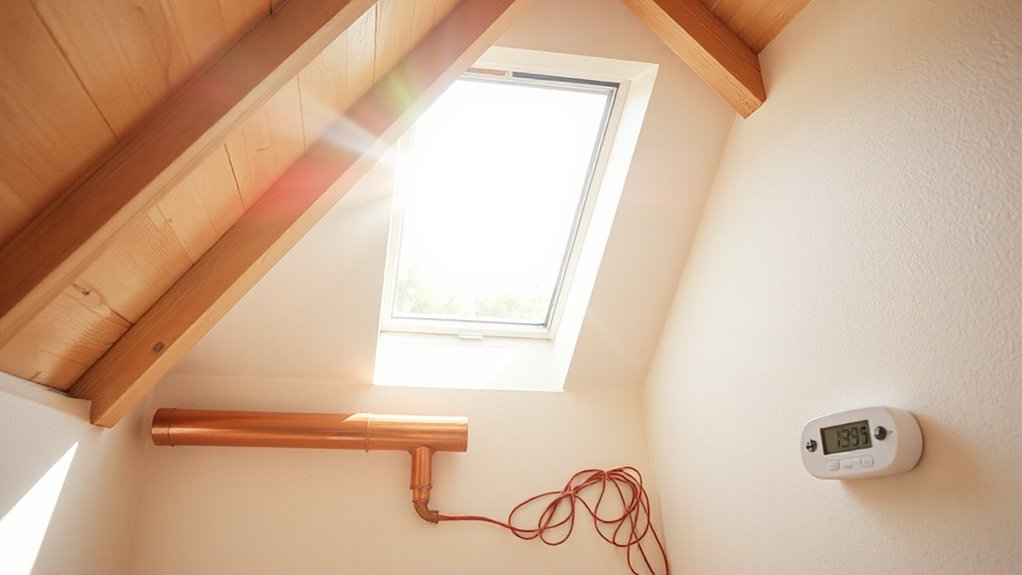
Lofts heat up mainly because they’re small, poorly insulated boxes that trap heat from the sun and occupants. You’ll notice heat builds when the sun angles in, ceilings radiate warmth, and warm air pools at higher levels.
To manage this, route ventilation strategically: open vents during cooler periods, use cross-ventilation to move hot air out, and consider a ceiling fan to disrupt stratification.
Shade solutions matter, too: external blinds or reflective films reduce solar gain and minimize radiant heat transfer.
When planning cooling, think about usable spaces first. If you grow apartment gardening herbs or place outdoor furniture outside, you’ll want comfort zones that stay cooler and more breathable.
Monitor heat loads, adjust layouts, and prioritize airflow to sustain a practical living environment.
Loft Insulation That Actually Lowers Heat Gain
To cut heat gain in lofts, pick insulation that targets both insulation value and radiant barriers. You’ll want a system that blends high R-values with reflective surfaces to deflect radiant heat, not just slow conduction. Look for multi-layer insulation or vented roof gaps that minimize heat transfer during peak sun hours.
In practice, combine thicker insulation with reflective, non-permeable barriers on the underside of rafters to reduce sun-driven heat entering the living space. Choose materials compatible with your climate and existing ventilation to avoid moisture buildup.
Plan loft decor around tighter thermal zones and avoid obstructing airflow. For storage solutions, install low-profile shelves and bins along walls to keep the center area airy, maintaining effective cooling without clutter.
Roof Design Choices for a Cooler Loft
To keep your loft cooler, start with effective roof venting strategies that promote steady airflow without letting in heat.
Combine targeted insulation for loft spaces with a solar-adapted roof design to cut heat gain while preserving comfort.
This approach sets up practical zoning and material choices you can compare as you plan upgrades.
Roof Venting Strategies
Proper roof venting is essential for a cooler, more comfortable loft, especially in summer. You’ll evaluate vent types by airflow, location, and seasonality, pairing soffit intake with ridge or fan-assisted exhaust to maximize cross-draft.
Use a balanced approach: guarantee continuous soffit vents, ridge vents, or turbines, and avoid dead zones where warm air stagnates. Consider stack effect on different roof pitches and the impact of wind-driven pressure.
Historical trends show older homes relied on passive eave and attic vents, while modern designs mix powered fans for reliability. Cultural influences shape aesthetics and placement, so choose vents that blend with your roofline without sacrificing performance.
Finally, plan for maintenance access, filter checks, and seasonal debugging to prevent blockages and sustain cooling benefits.
Insulation For Loft Spaces
With cooling in mind, insulation choices for loft spaces hinge on airflow, roof design, and climate—so you’ll pick materials and layouts that minimize heat gain while supporting your venting system.
In practice, target high-performance insulation with continuous barriers, avoiding gaps around joists and penetrations. Opt for breathable but effective rigid boards or mineral wool to resist radiant heat from the roof deck.
Add radiant barriers if your roof faces strong sun, but evaluate cost versus benefit for your climate. Guarantee proper ventilation to prevent moisture buildup; ridge vents paired with soffit intake work well.
Consider roof paintings in cooler tones to reflect heat, and position attic dehumidifiers to control humidity peaks. Prioritize airtight seals at eaves and flashing to sustain insulation effectiveness.
Solar Adapted Roof Design
Could you design a roof that stays cooler by design for your conversion? Solar adapted roof design focuses on passive cooling via material choice, orientation, and shading. You’ll prioritize reflective or cool roofing membranes that minimize heat absorption, paired with thermal mass that dampens daytime heat gains.
Consider roof shape and ventilation—vented attic or curved profiles can promote air exchange and reduce surface temperatures. Integrate solar control elements like overhangs, louvers, and green or cool-paint finishes to lessen radiant heat transfer.
Historical trends show cities adopting lighter colors and reflective coatings, while cultural influences affect roof geometry and aesthetic preferences. Assess local sun angles, weather data, and maintenance needs to balance performance with durability.
A practical approach aligns energy savings with occupant comfort and long-term value.
Ventilation Options That Work in Practice
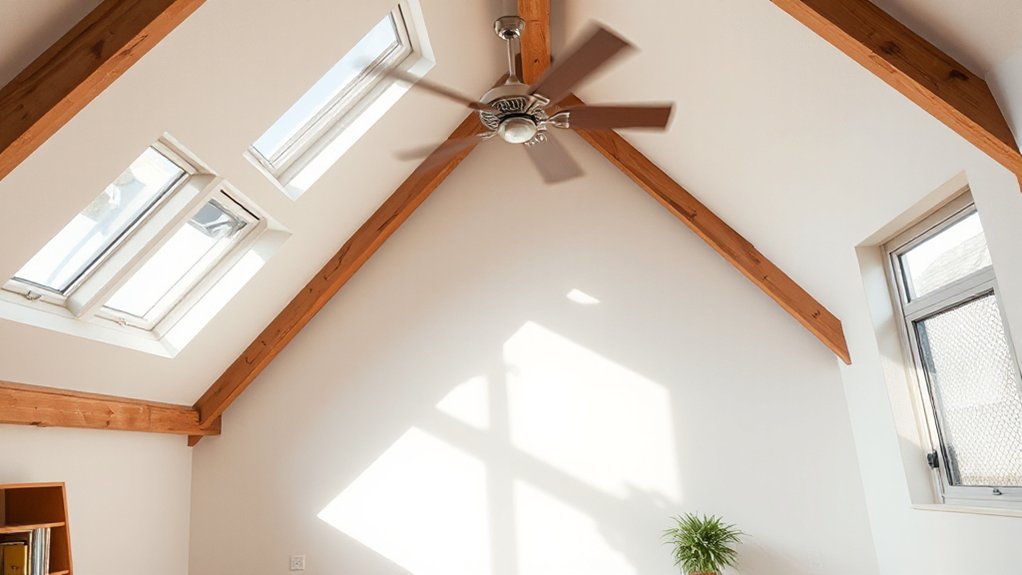
Ventilation in a loft can be tricky, but practical options exist that work well in practice. You’ll want a plan that prioritizes cross-ventilation, shading, and mindful airflow control.
Start with operable skylights or roof vents that open wide on cool evenings, paired with lower-level vents to promote vertical drafts. Use clerestory windows to channel rising air without creating direct sun exposure, reducing interior heat buildup.
Net effect: you gain outdoor air exchanges during the day with minimal energy, which helps urban heat and interior cooling challenges alike.
Incorporate drought-resistant, reflective screens on south-facing panes to cut heat gain. Consider ceiling fans to boost perceived cooling where insulation helps, and seal leaks to avoid recirculating hot air.
Passive vs Mechanical Ventilation in Lofts
Passive and mechanical ventilation each have a clear role in lofts, and choosing between them—or combining them—depends on climate, occupancy, and energy goals.
In practice, passive systems rely on stack and cross-ventilation to move air without energy cost, but their effectiveness hinges on attic geometry, wind patterns, and outdoor temps.
Mechanical options, like fans or heat recovery units, offer predictable air exchange and better control during hot spells, yet they add complexity and energy use.
The key decision is balancing air quality with noise control and comfort.
If you prioritize quiet operation and consistent indoor air, a hybrid approach can shift between natural drafts and assisted ventilation.
Evaluate occupancy patterns, window placement, and insulation to optimize performance without sacrificing comfort.
Affordable Cooling Methods for Loft Conversions
Affordable cooling doesn’t have to break the bank in loft conversions. You can keep costs low with targeted, practical strategies that maximize comfort without major renovations.
Start with passive measures: ceiling fans positioned along the ridge circulate air, while reflective paints in light color schemes reduce heat absorption.
Use insulation upgrades in eaves and walls to minimize heat gain, pairing them with breathable, moisture-resistant materials for durability.
If you add mechanical options, choose energy-efficient options with smart thermostats to avoid phantom cooling loads.
Incorporate decorative lighting choices that emit less heat, such as LEDs, and plan lighting layouts that don’t trap heat in the ceiling plane.
Focus on shade-conscious décor and airflow-friendly layouts to sustain a cooler, usable space.
Loft Glazing: Choose Windows and Skylights That Stay Cool
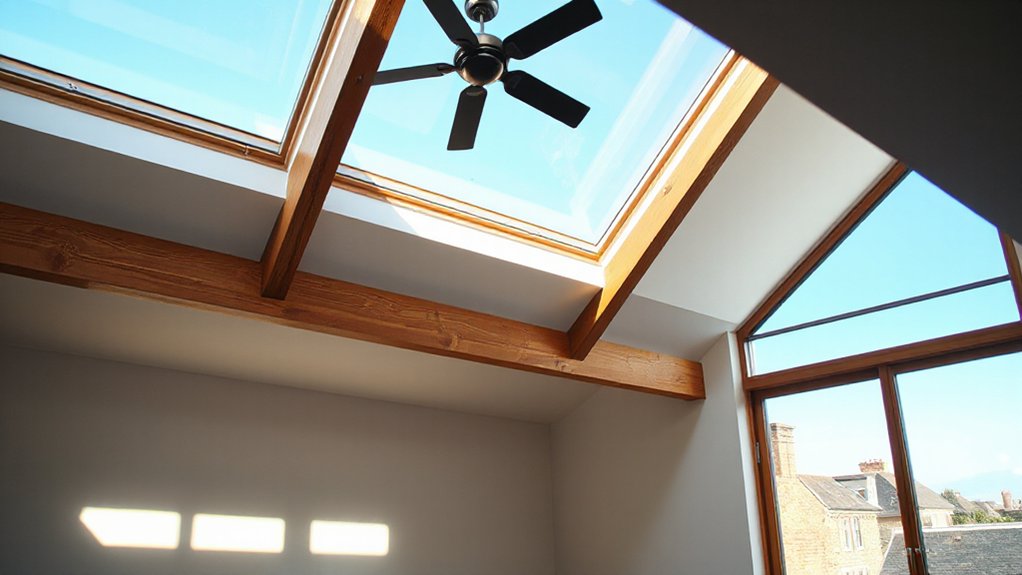
Choosing the right loft glazing isn’t just about letting in light; it’s about keeping heat out. You’ll evaluate glazing types for heat gain, solar control, and ventilation compatibility, focusing on performance and cost. Use this quick checklist:
1) Select double or triple glazing with low-emissivity coatings to limit U-values.
2) Prefer inert gas fills and warm-edge spacers to reduce heat transfer around edges.
3) Match roof materials with appropriate glazing to minimize thermal bridging and moisture risk.
4) Consider attic fans as a supplementary cooling aid when passive ventilation isn’t enough.
Tips: prioritize glazing with solar heat gain coefficient (SHGC) ratings suited to your climate, and ensure installation avoids gaps. When planning, account for attic fan placement and wiring to optimize cooling efficiency.
Shading, Reflection, and Exterior Remedies for Sunny Roofs
When a sunny roof drives heat into your loft, shading, reflection, and exterior remedies offer quick, effective control.
You can curb heat by choosing roof materials with high reflectivity and low thermal mass, reducing absorption at the source.
Exterior shading, such as fixed overhangs, louvers, or adjustable shutters, blocks sun during peak hours without relying on interior cooling.
Apply reflective coatings or light-colored membranes to bounce radiant energy away, lowering surface temperatures.
Consider non-penetrating roof vents or wind catchers to boost natural ventilation, complementing shading strategies.
Keep insulation intact to minimize heat transfer, and verify guttering directs water away from reflective surfaces.
Roof materials and exterior shading work together to reduce peak loads and improve comfort without delaying decisions.
How Color and Interior Finishes Affect Heat in a Loft
Color and interior finishes matter more than you might think: dark colors absorb heat, while light tones reflect more radiant energy, shaping how a loft feels during hot days.
- Color influence: choose cool hues for walls and ceilings to reduce heat gain without sacrificing style.
- Interior materials: matte, non-reflective surfaces minimize glare and heat buildup; glossy finishes can amplify stray heat.
- Material density: tighter grains and solid cores store less heat than dense laminates or metals in high-sun zones.
- Surface treatment: breathable textiles and natural fibers improve comfort by aiding moisture management and air flow.
Zoning and Night-Time Cooling Strategies for Comfort

You’ll start by outlining how Night-Time Cooling Plans can cut peak daytime heat exposure and reduce overall comfort gaps.
Then, map Zoning For Comfort to target air flow and temperature differences between living zones, bedrooms, and the loft core.
Finally, frame Loft Temperature Management as a practical, adjustable system—prioritizing sleeper zones while keeping common areas comfortable at night.
Night-Time Cooling Plans
Do you know how zoning and night-time cooling strategies can cut energy use while keeping bedrooms comfortable? Night-time cooling plans focus on selective cooling during lower-cost hours, while preserving comfort in sleeping spaces. You’ll deploy smart controls, absorptive shading, and airflow optimization to minimize heat gain and ceiling-to-floor temperature swings.
- Use adaptive thermostats to target bedroom setbacks after midnight.
- Schedule ceiling fan and exhaust vent use for cross-ventilation.
- Apply heat-actuated vents to redirect warm attic air away from sleeping zones.
- Bundle blinds and reflective fabrics to minimize radiant gains without compromising airflow.
Historical trends and cultural influences shape preferences for quiet, darkened sleep spaces and practical, durable solutions that fit historic homes and modern builds alike.
Zoning For Comfort
Prioritize shade and ventilation during the day, then preserve attic storage access without compromising airflow by sealing off rarely used zones. Use programmable controls to switch a fan’s speed and vent damper based on occupancy and time, reducing unnecessary cooling in active living areas.
Outdoor plants help by shading the façade and lowering exterior heat gain, while compact, well-placed insulation slows heat ingress. Avoid expansive, heat-trapping layouts; focus on efficient paths for air movement and minimal thermal bridges.
Loft Temperature Management
Efficient loft temperature management hinges on precise zoning and practical night-time cooling. You’ll optimize comfort by separating zones, controlling airflow, and using insulation-aware strategies that respect Historical architecture while complying with Building codes.
Think of the loft as a microclimate: roof heat, ducted vents, and reflective shading all influence performance.
- Zone by use: sleeping, work, and storage areas get tailored temperature targets.
- Use night purges: ventilation-wide cooling after sunset to flush heat.
- Leverage passive shading: dormers, skylights, and eaves minimize heat gain.
- Verify codes: ensure insulation ratings, vent sizes, and smoke/CO detectors meet Building codes.
With precise zoning and disciplined cooling, you reduce energy waste and preserve historical integrity without risking safety.
Is Your Loft Suitable for Summer Use? Key Criteria
If you’re considering summer use, start by evaluating heat and air flow: a loft that traps heat or feels stuffy will be uncomfortable and costly to cool. To judge suitability, check insulation depth and ventilation paths—look for soffit and ridge vents, or usable space near a window for cross-breeze.
Consider how the roof reflects heat; lighter shingles and reflective coatings help. Assess structural limits: ceiling height, floor load, and access to a safe egress.
Practical criteria include attic waterproofing integrity and potential condensation risk, plus established drainage for rainfall. Seasonal gardening ambitions can guide luminance and humidity targets, but ensure blind spots don’t trap air.
If these criteria align, you’ll have a viable summer-use space rather than a hot, impractical attic.
Step-by-Step Retrofit Plan to Relieve Loft Heat
To cut loft heat quickly, start with a focused retrofit plan that targets airflow, shading, and moisture control. You’ll optimize comfort by prioritizing ventilation, surface cooling, and humidity balance.
- Improve airflow: install or upgrade attic fans and seal duct leaks to move warm air out and bring in cooler air.
- Shade effectively: choose roof color strategies and external shading to minimize solar gain without overburdening the roof structure.
- Reflective surfaces: use light-colored or reflective roof coatings to lower in-situ temperatures.
- Moisture control: seal gaps, install proper insulation, and vent moisture-heavy air to prevent condensation and mold.
Roof color choices and attic fans directly influence heat transfer, comfort, and operable cooling efficiency.
Cost vs Payoff: Budgeting Cooling Upgrades

Budgeting cooling upgrades isn’t about chasing the cheapest option; it’s about balancing upfront costs with long-term savings and comfort. You evaluate payback periods, energy use, and resale value to determine what fits your loft.
Start with airtightness, insulation, and efficient cooling equipment, then compare commissioning costs against monthly bills. Historical trends show that initial choices often pay off when paired with smart controls and zoning.
Cultural influences shape preferred comfort levels and aesthetic integration. Factor in climate patterns, occupancy, and maintenance expenses; a low upfront price may yield higher operating costs or shorter lifespan.
A rigorous cost/benefit analysis helps you avoid over-investing in features you won’t use. Aim for a sensible mix of reliability, efficiency, and practicality rather than peak performance alone.
Real-World Lofts: Case Studies of Successful Cooling
Real-world lofts prove cooling plans work when applied with practical choices and precise execution. You’ll see how small shifts in layout, materials, and timing yield tangible comfort, not empty promises.
Below are concise examples you can emulate:
- Optimize airflow with strategically placed vents and ceiling fans.
- Use reflective surfaces and light colors to reduce heat absorption.
- Implement zoning: cool bedrooms separately from sunlit living areas.
- Integrate storage solutions that double as insulation, freeing floor space without clutter.
Loft decor choices matter: choose breathable fabrics and matte finishes to minimize heat glare.
Pair these with smart shading and weather stripping to reduce heat gain.
Loft Heat Myths Debunked: What Really Works
Ever wonder which loft cooling myths actually hold up under real conditions? Here’s the truth: not every hot loft is doomed to stay that way. Myth busting starts with insulation quality, ventilation, and sun exposure, not opinions.
You’ll see that proper insulation reduces heat gain and keeps conditioned air effective, while intelligent ventilation evens out temperatures without sweating your system. Cooled roof strategies matter, but the payoff hinges on airflow routes and air sealing.
Don’t chase gimmicks; test assumptions with measurements and a simple, repeatable plan. Loft aesthetics and interior decor influence perceived comfort, but comfort itself comes from predictable temperatures, not decorative tricks.
Builder Expert Checklist: Summer-Ready Lofts
As you plan a summer-ready loft, start with a practical design check that guarantees comfort and efficiency in hot months. Review your insulation and ventilation needs, prioritizing airflow, moisture control, and minimized thermal bridging.
Keep the focus tight on a Summer-Ready Loft Design, Insulation and Ventilation Checklist to guide your choices and flag potential performance gaps early.
Summer-Ready Loft Design
- Plan a compact, flow-friendly layout that prioritizes usable floor area and preserves loft decor aesthetics.
- Integrate passive cooling strategies—staggered skylights, operable vents, and shaded zones—without reducing light.
- Choose insulation that’s performance-forward, coordinating with ceiling heights to minimize heat buildup while preserving storage solutions.
- Select durable, low-maintenance finishes and modular storage that adapt to changing needs without clutter.
You’ll gain a practical, analytical space that feels cooler, organized, and efficient, with loft decor accents and flexible storage solutions that stay tidy and functional.
Insulation and Ventilation Checklist
To keep a loft cool and comfortable in summer, start with a precise insulation and ventilation plan that minimizes heat gain while maximizing airflow. Begin by sealing gaps around eaves, windows, and doors, then install reflective roof insulation and an air-permeable vapor barrier to reduce radiant transfer.
Choose breathable underlays and ceiling insulation with an appropriate R-value for your climate, avoiding compression that lowers effectiveness. Add ridge and soffit vents or a mechanical extractor with a balanced intake to promote cross-ventilation.
For lighting, prefer Decorative lighting that doesn’t heat the space and LED options to cut heat load. Finish with strategic layout: place Vintage furniture away from heat sources, use light-coloured fabrics, and keep ducts clear.
Regularly inspect seals and vents before peak heat.
Quick Weekend Actions: Actions You Can Implement Now

If you’re tackling loft conversions this weekend, start with a quick, practical assessment of what’s most urgent: structural safety, moisture control, and access. You’ll gain clarity on what to fix first and how it impacts summer comfort.
- Inspect joists and rafters for cracks or sagging, noting any obvious weaknesses.
- Run a moisture scan in corners and around vents, sealing leaks before heat rises.
- Clear pathways and secure ladder access, marking any permit or safety needs.
- Tidy the space with a focused plan for airflow, utility routing, and future appliance placement.
Outdoor gardening and kitchen appliances deserve early placement consideration to maximize cooling and usability during hot days. Prioritize speed, accuracy, and minimal disruption to progress.
Frequently Asked Questions
How Hot Do Lofts Typically Get in Peak Summer?
You’ll notice attic temperatures peak high in summer, depending on insulation and venting. With proper attic insulation and roof ventilation, you can keep heat down, reducing hot spots and improving comfort as you plan conversions.
Which Heat Source Dominates Loft Temperature Indoors?
“Heat rises to the top,” so the dominant indoor heat source is roof heat gain. You’ll rely on thermal insulation and roof insulation, plus ventilation, to curb it; monitor sun exposure and seal gaps for practical results.
Do Standard Ventilation Methods Work Year-Round in Lofts?
Yes, standard ventilation works year-round, but effectiveness hinges on attic insulation and roof venting. You’ll limit heat gain in summer and maintain warmth in winter by pairing proper insulation with continuous, unobstructed venting. Regular checks optimize performance.
Can Reflective Glazing Reduce Loft Heat Effectively?
Ever watched a sunbathing dragon blink at your attic? Reflective coating cuts heat, boosting glazing efficiency. You’ll feel cooler, but you still need ventilation; optimize seals and airflow alongside the coating for practical, analytical comfort gains.
Are There Quick-Room Temperature Tests for Lofts?
Yes, you can run quick-room tests: measure attic temperature after 15–30 minutes of solar exposure, check for hot spots, and observe airflow with roof vents. Include attic insulation status and guarantee proper ventilation for accurate results.
Conclusion
So yes, lofts can be scorching, but not if you treat heat like a quirky houseguest who won’t leave. You’ll outsmart it with smarter insulation, cooler roofing, and ventilation that actually moves air. Don’t milk stories about “just a boiler room upstairs.” Measure, plan, and implement—not wish. If you follow practical tweaks, you’ll prove that a summer-ready loft isn’t a myth, it’s a checklist you can tick off before the sun does its thing. Stay cool, snooze later.